
Hollywood Waves Wedding Hair: The Complete South Florida Style Guide

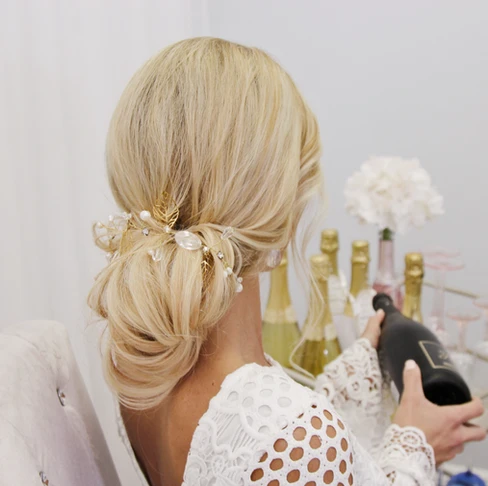
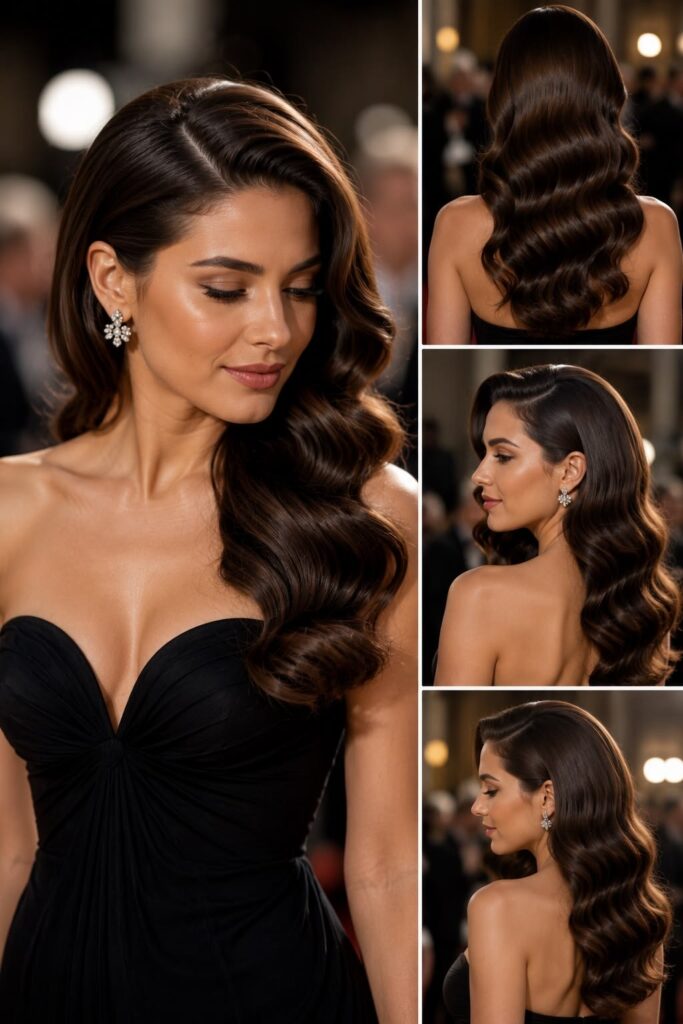
There’s a reason Hollywood waves have been a top bridal hair request for decades. The S-curve wave pattern, the sleek root, the way the hair falls in a sculpted cascade around the shoulders: it reads as effortless on the day and as timeless in the photos thirty years later. It belongs to no particular era and doesn’t date the way trend-driven styles do.
What it does require is a specific technical approach, a product strategy calibrated for South Florida’s heat and humidity, and a stylist who has executed it enough times to know exactly where the look lives between “perfectly sculpted” and “too stiff.” This guide covers all of that, so you arrive at your trial knowing what to ask for, what to look out for, and how to make sure the waves your stylist creates in a cool studio still look the same at the end of your outdoor ceremony.
What Hollywood Waves Actually Are (and What They’re Not)
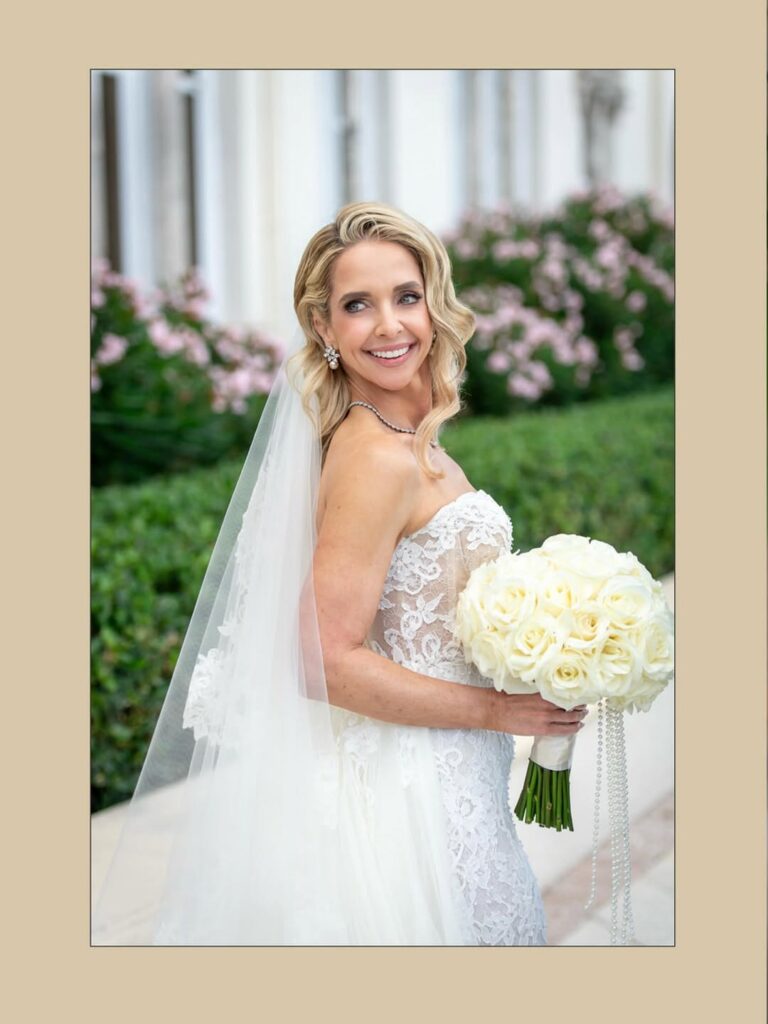
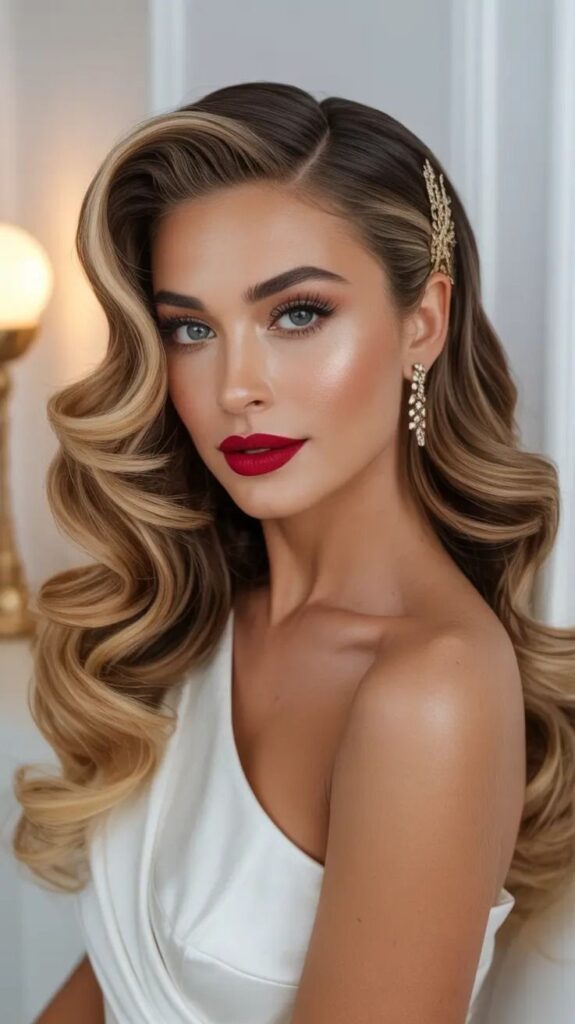
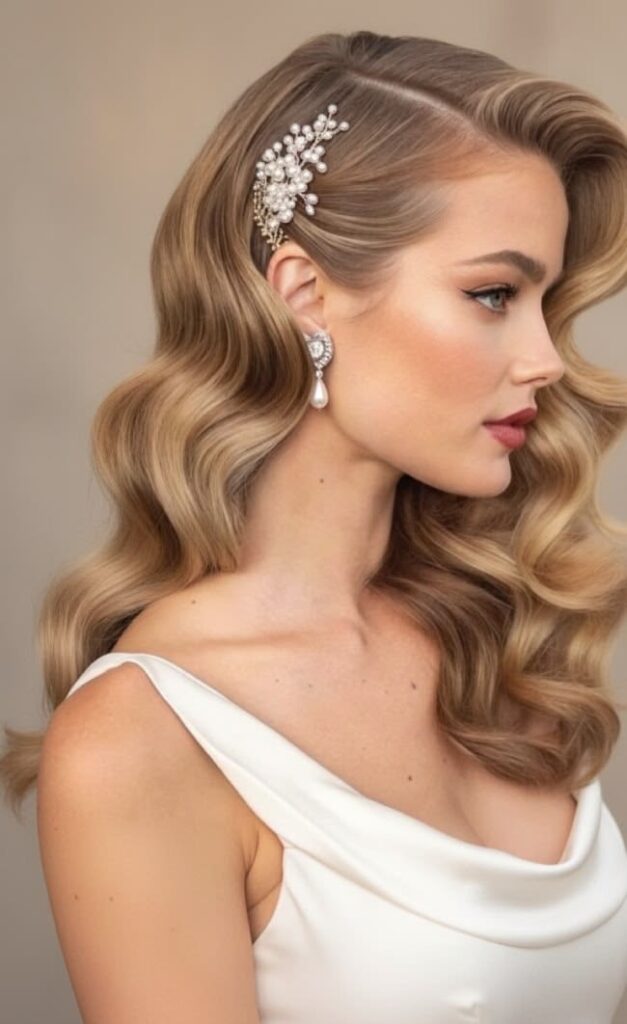
Hollywood waves are defined by one specific characteristic: a consistent, sculpted S-curve pattern throughout the length of the hair, with a sleek, smooth root and voluminous, defined body from mid-shaft to ends. The waves lie against each other in a directional pattern, typically flowing to one side in the style’s most classic iteration.
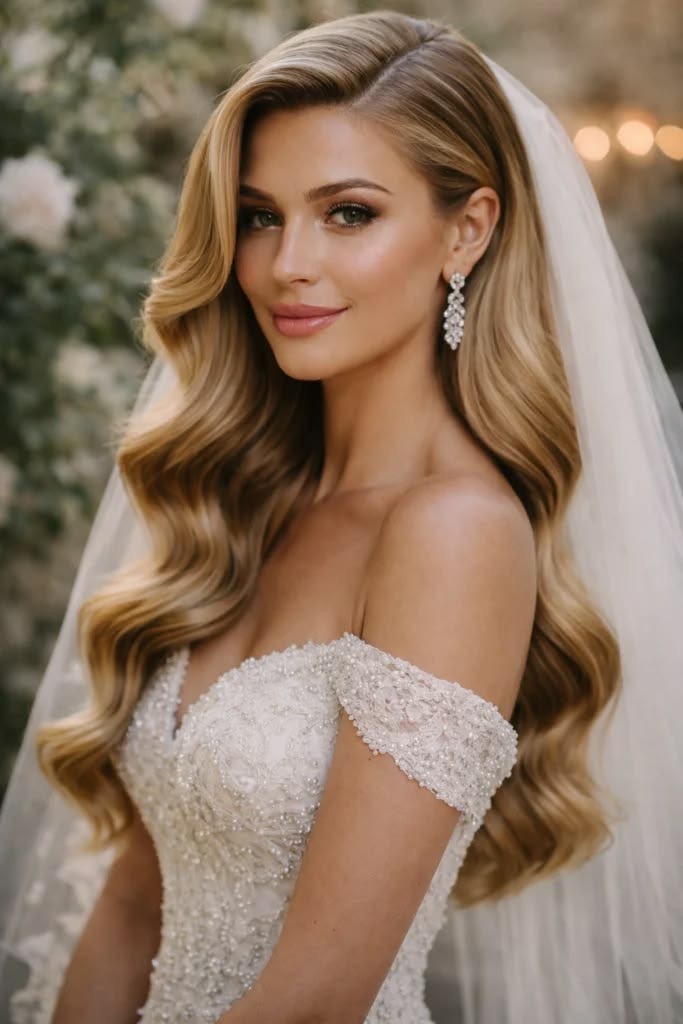
That’s a precise description for a reason. The term “Hollywood waves” gets used loosely in bridal contexts to describe almost any wavy style, and a bride who asks for Hollywood waves based on a specific inspiration image can end up with something quite different if the stylist interprets the term differently. Understanding what the style actually is helps you communicate clearly and evaluate the result accurately at your trial.
For guidance on how Hollywood waves compare to other styles for your specific hair texture, the bridal hairstyles by texture guide covers the full range of options across straight, wavy, curly, and coily hair.
How Hollywood Waves Differ from Beach Waves
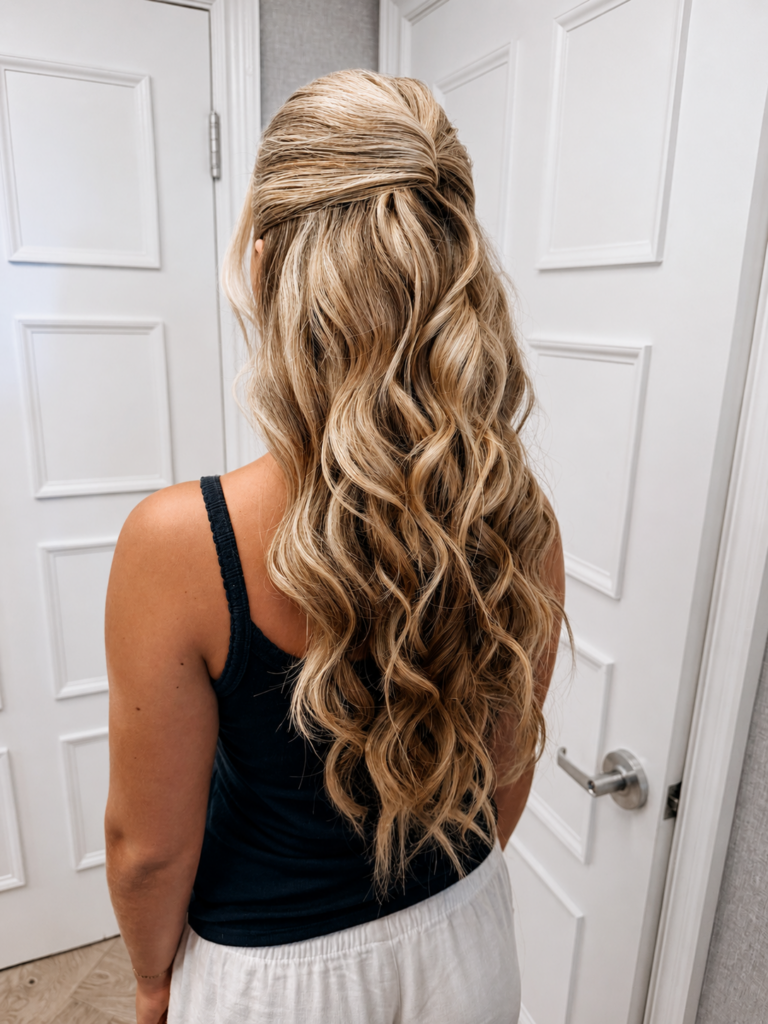
Beach waves are relaxed, variable in size, and have a slightly tousled texture. They look like hair that has been styled loosely and allowed to find its own shape. Hollywood waves are sculpted: each S-curve is deliberate, consistent in size, and directed. Beach waves feel undone; Hollywood waves feel composed.
This distinction matters because they require different techniques, different products, and different amounts of time. A beach wave is faster to create and more forgiving of imperfection. A Hollywood wave requires precision through every section and more time to complete correctly.
How Hollywood Waves Differ from Loose Curls
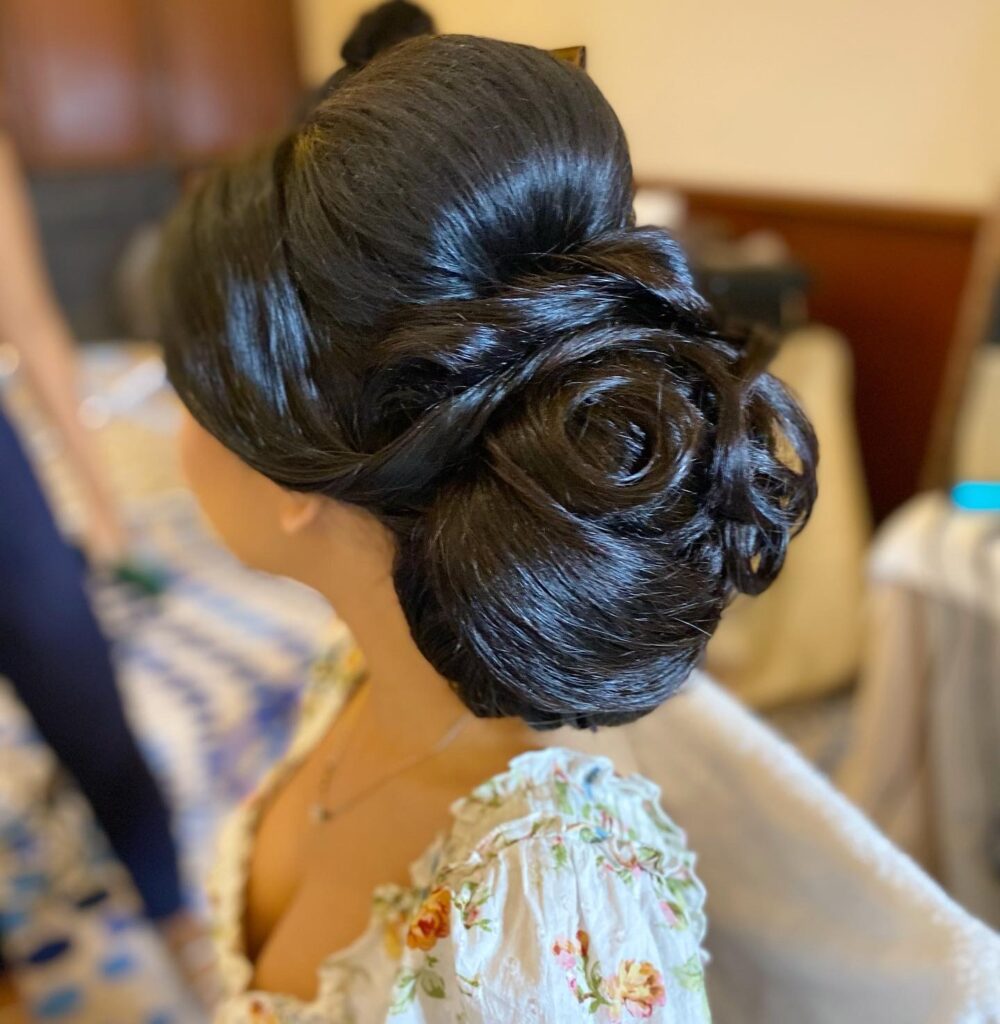
Loose curls retain the individual ringlet shape: each curl is its own distinct coil, and the overall silhouette has a rounder, more voluminous, bouncy quality. Hollywood waves press curls together into a directional pattern: the individual curl shapes dissolve into an S-wave when they are set, cooled fully, and brushed out together.
How Hollywood Waves Differ from Soft Glam Waves
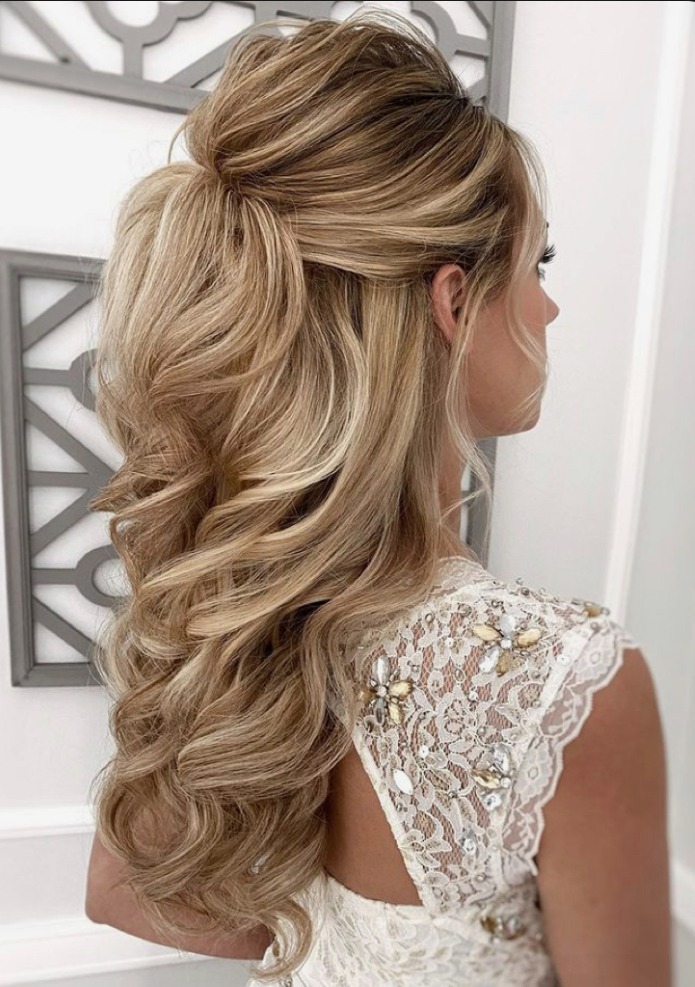
Soft glam is a broader aesthetic category that encompasses a range of looks. Hollywood waves are a specific technical execution that can sit within the soft glam aesthetic, but not every soft glam style is a Hollywood wave. If you’re using soft glam inspiration images to show your stylist the overall feeling you want, clarify whether you specifically want the S-curve Hollywood wave pattern, or whether you’re open to other wave silhouettes within that general aesthetic.
Why Hollywood Waves Are a Timeless Bridal Choice
The reason Hollywood waves have staying power in bridal is partly the visual quality of the style, and partly what it communicates.
The S-curve pattern has a formality and polish that reads beautifully in fine-art wedding photography: the directional flow creates movement in portraits, the glossy texture catches light, and the structured quality makes the style feel intentional rather than accidental. For brides who want to look elegant and composed rather than casual or relaxed, Hollywood waves deliver that.
Venue Suitability
Hollywood waves suit ballrooms, luxury hotels, indoor evening receptions, and any venue with a formal or glamorous aesthetic. The structure of the style matches the visual weight of a reception in a grand hall or an outdoor ceremony at a manicured estate. They’re less natural-feeling at a barefoot beach ceremony or a boho outdoor setting, where the formality of the wave can feel slightly at odds with the surroundings.
How the Style Photographs
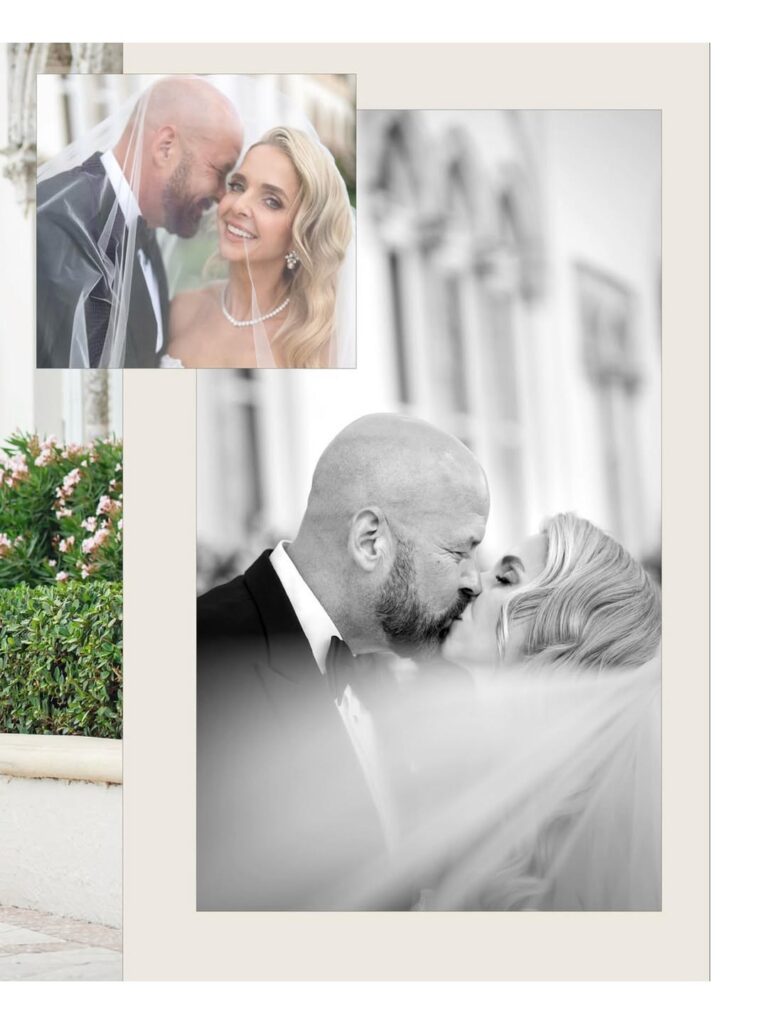
The S-curve wave pattern has a specific quality in photography that looser styles don’t always have: it creates defined, repeating shapes that read clearly even in wide shots. In close portrait work, the glossy surface and sculpted form create a high-fashion quality that editorial photographers particularly love. For brides who want their wedding photos to feel like a luxury magazine shoot, Hollywood waves are one of the best style choices they can make.
Hollywood Waves in South Florida — The Humidity Factor
South Florida’s climate is the most significant technical challenge for Hollywood waves, and it’s where stylist experience makes the greatest difference.
The S-curve wave pattern is maintained by the hair holding its set position against the natural tendency of the cuticle to absorb ambient moisture and relax. In environments with humidity consistently above 70 percent — which describes outdoor South Florida conditions for most of the year — an improperly prepared wave set begins to drop within two hours. The S-curves soften and separate, the sleek root picks up frizz, and the overall shape loosens into something that resembles a beach wave more than a Hollywood wave.
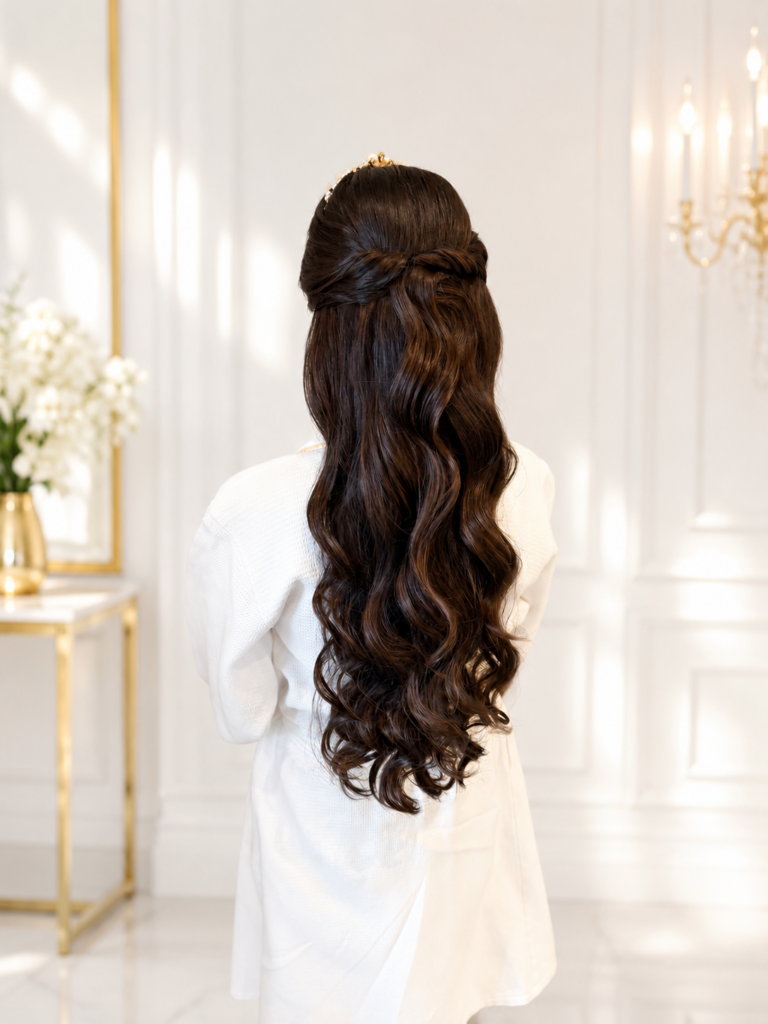
The solution is two-part: the right technique and the right products, layered in the right sequence.
The Anti-Humidity Product Strategy
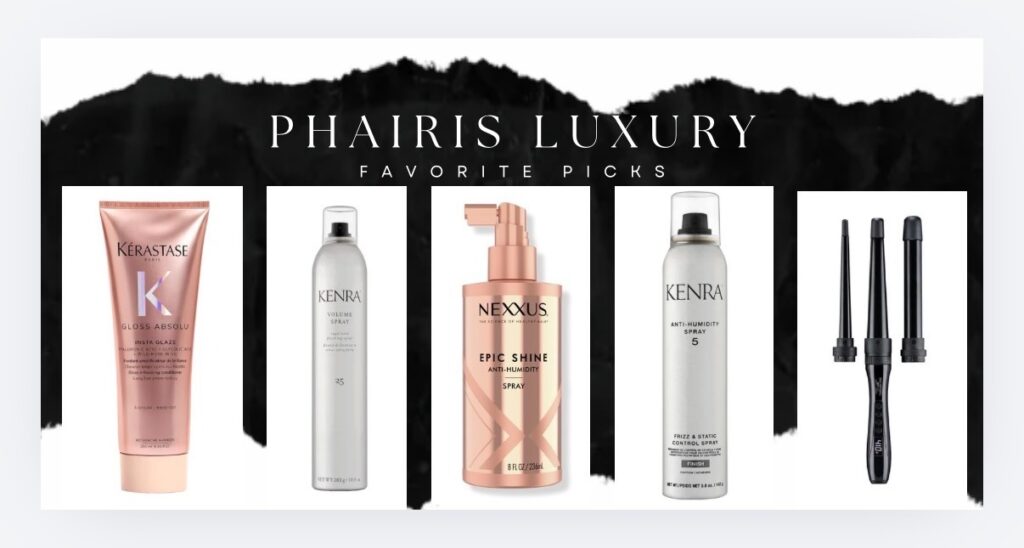
An anti-humidity product goes into the hair before the wave set begins: either a smoothing serum that coats the cuticle against moisture absorption, or an anti-humidity spray applied through damp or dry hair before the iron. This layer is the foundation that everything else is built on.
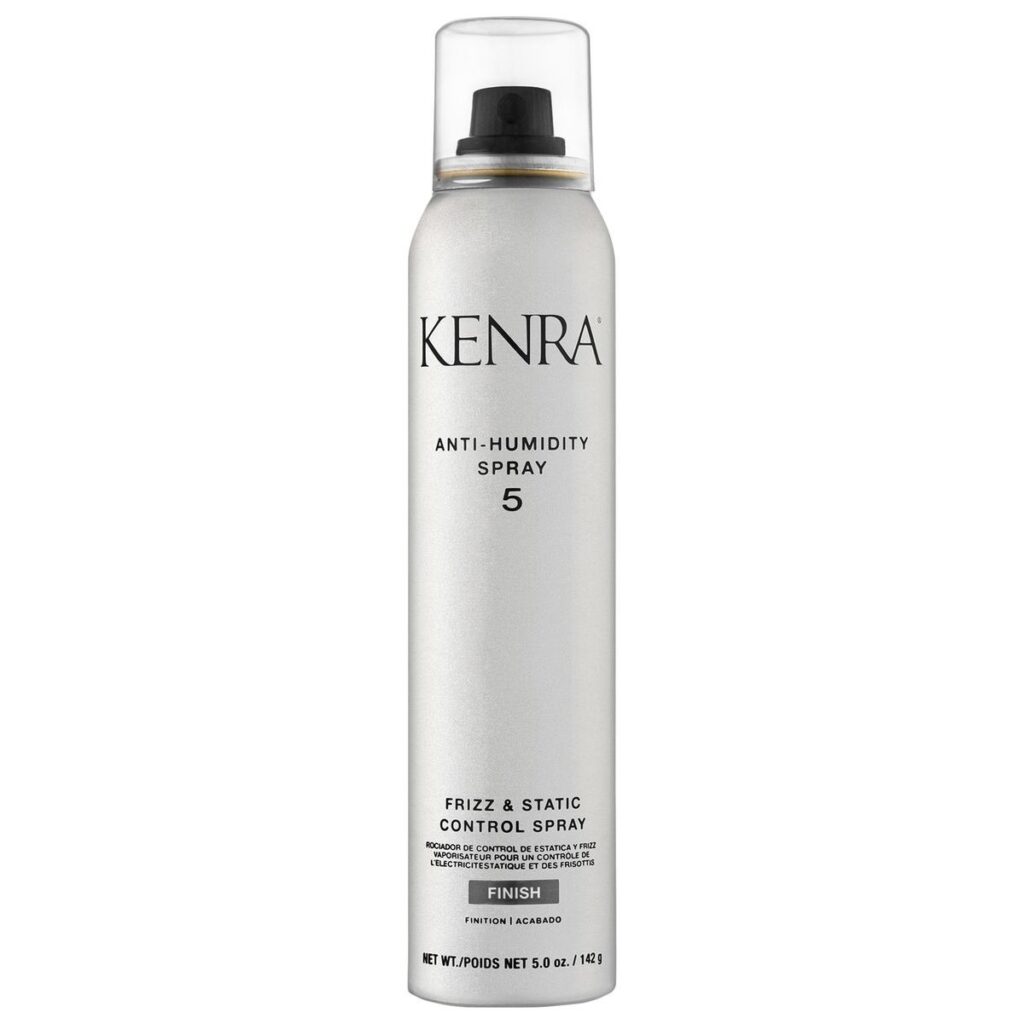
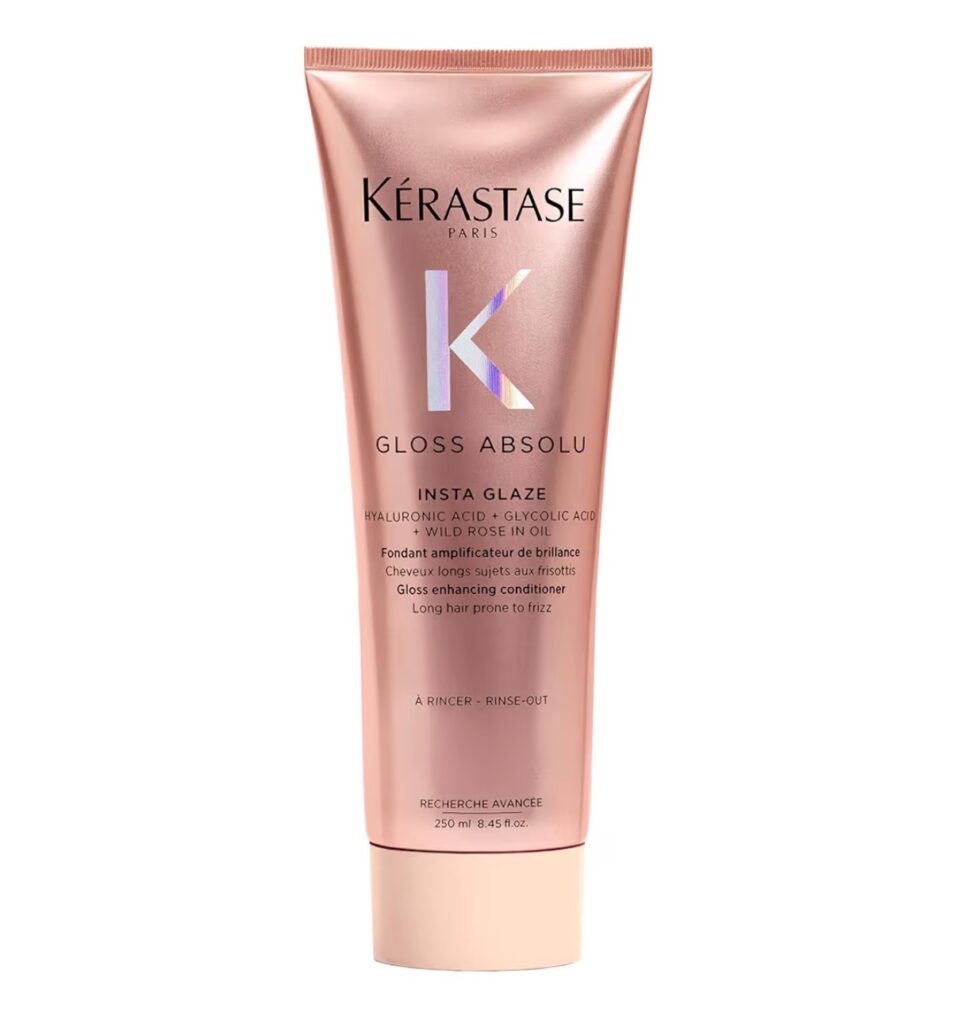
After the set is completed and the waves are brushed out into their final pattern, a finishing product seals the surface: typically a light anti-humidity spray or a serum pressed gently over the top of the waves. This is not a traditional hairspray application, which would stiffen and dull the waves. It’s a targeted moisture seal applied in a way that maintains the movement and gloss.
Why Technique Matters as Much as Product
The biggest factor in whether Hollywood waves hold in South Florida is not the product choice alone: it’s whether the pin-curl setting method is used. In a standard wrap-and-release technique, the hair is wrapped around the barrel, held briefly, released, and allowed to fall. This produces a curl that begins loosening almost immediately.
In the pin-curl technique, each curled section is released from the iron and immediately pinned against the head while still hot. It stays pinned until it has cooled completely. Only then is the pin removed and the curl allowed to fall. The curl that results from this technique is set in its shape by the cooling process, not just by the brief heat contact. It holds significantly longer, particularly in warm, humid conditions.
For a South Florida bride who wants Hollywood waves to last from the ceremony through the last dance, the pin-curl method is not optional. It’s the technique that makes the difference between a style that holds and one that slowly relaxes through the day. For more on the full approach to bridal beauty in South Florida’s climate, the climate-resistant bridal beauty guide covers the strategy in full.
Which Hair Types Are Best Suited to Hollywood Waves
Straight to Slightly Wavy Hair
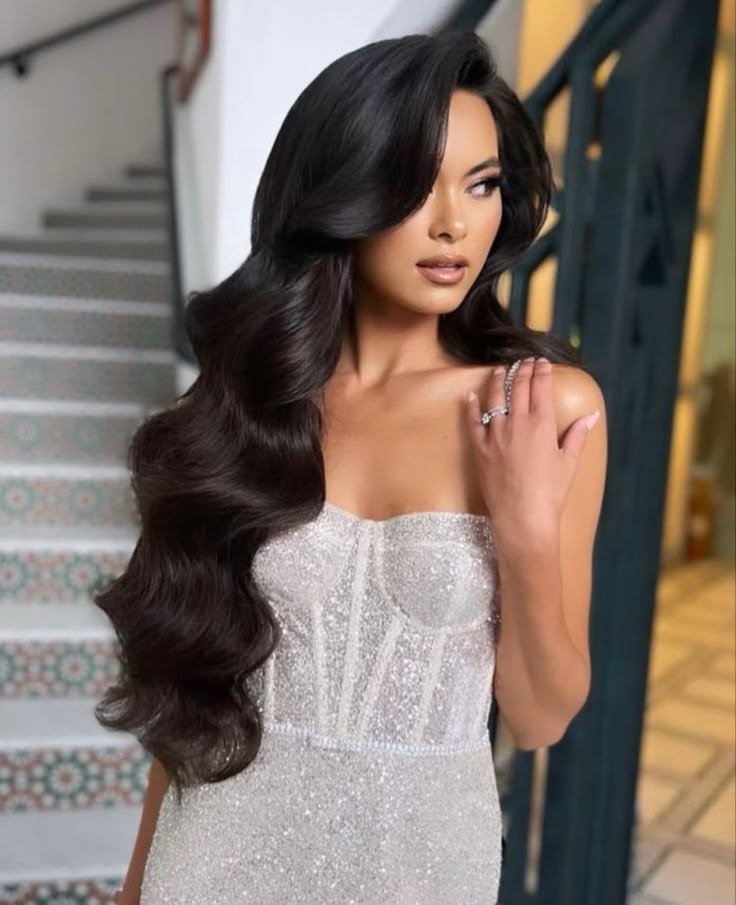
Straight hair is the ideal canvas for Hollywood waves. It takes the wave set cleanly, holds the S-curve pattern consistently through the sections, and releases from the iron without fighting the direction of the curl. The resulting wave sits uniformly, which creates the precise, sculpted look the style is known for.
The one consideration with very straight fine hair is the smoothness of the surface: without texture, the waves can slide slightly faster in humidity. A light texturizing spray worked through the hair before the set gives the wave something to hold against.
Fine Hair
Fine hair suits Hollywood waves particularly well, partly because the style’s slick finish and directional shape are more flattering on hair that lies smoothly than on hair with a lot of bulk or irregular texture. Fine hair takes the set well and produces a clean wave with visible definition.
The addition of extensions is common for fine-hair brides who want the volume and cascade length that makes Hollywood waves most dramatic. A few rows of tape-in or clip-in extensions underneath adds the density that amplifies the wave pattern without compromising how the style photographs.
Thick Hair
Hollywood waves are absolutely achievable on thick hair, but they require more time and more precise sectioning. The barrel must work through smaller sections to ensure each curl heats and sets fully, and the brushing-out phase is more demanding because there’s more hair to coax into a unified directional pattern. A stylist experienced with thick hair will budget extra time for this style.
Naturally Curly or Coily Hair
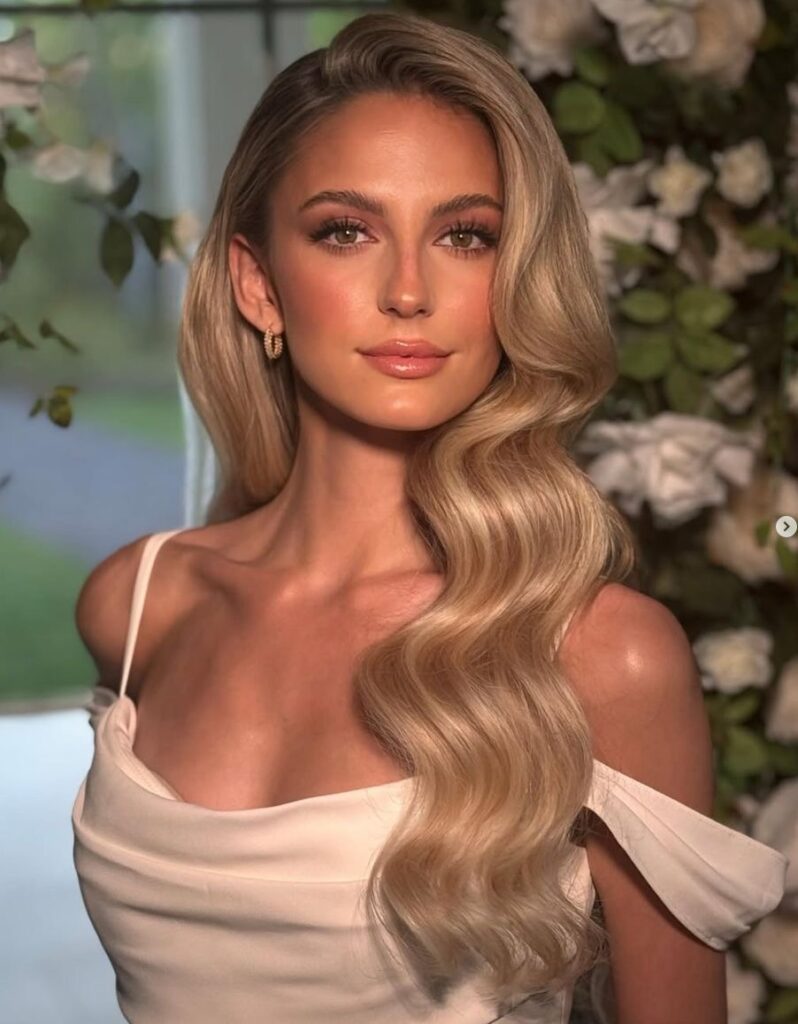
Hollywood waves on naturally curly or coily hair require a preparation step that straight-haired brides don’t need: the natural curl pattern must be smoothed and temporarily relaxed before the wave set begins. This typically involves a blowout with a smoothing serum or balm to create a straight or near-straight base, after which the wave set proceeds as normal.
The result can be stunning, but it requires more total prep time and a specific product approach. Discuss this specifically at the consultation so the timeline is built correctly.
Hollywood Waves and Hair Extensions
Extensions and Hollywood waves are a natural pairing, even for brides who don’t strictly need additional length. Here’s why.
The Hollywood wave pattern is most visually impactful when it has length to cascade through. On hair that falls at or above the collarbone, the S-curve has fewer repeats before reaching the ends, and the overall wave silhouette is more compact. On shoulder-length or longer hair, the wave pattern develops fully and the cascading quality that defines the look is most visible.
For brides whose natural hair sits at or above the collarbone, extensions to shoulder length or below open up the full potential of the style. For brides who already have the length but want more volume and density in the wave, a few extension wefts create the body that amplifies the wave’s visual weight.
Tape-in extensions and clip-in extensions are both compatible with Hollywood waves. For a detailed comparison of extension methods and which suits your hair, the bridal hair extensions guide covers all five types and the specific considerations for each.
Coordinating Extensions With the Bridal Trial
If you’re wearing extensions for your wedding, they should be in place at the bridal trial. The wave set and the product choices need to be calibrated for the combined texture and weight of your natural hair plus the extensions, not for your natural hair alone. A trial without extensions followed by a wedding day with extensions is not the same style in practice.
How Hollywood Waves Are Created — The Technical Process
Understanding the technique helps you evaluate the result at your trial and communicate adjustments clearly.
Section size: The hair is divided into sections, typically 1 to 1.5 inches wide per curl. Smaller sections produce tighter, more defined waves. Wider sections produce looser, more relaxed waves.
Barrel size and direction: A 1.5 to 2-inch barrel produces the right S-curve scale for most Hollywood wave looks. The direction each section is curled, and whether it alternates or stays consistent, determines which way the wave flows. Classic Hollywood waves curl all sections in the same direction to create the unified directional cascade.
The pin-curl set: After each section is curled, it is released from the iron and immediately wrapped into a flat pin curl against the scalp or pinned in place with a clip. It stays pinned until fully cooled: approximately 5 to 10 minutes per section in a warm room. Rushing the cool-down is the most common reason Hollywood waves drop faster than they should.
The brush-out: Once all sections are cool and the pins are removed, a boar bristle brush is used to smooth and sculpt the curls into the S-wave pattern. The brushing direction, pressure, and sequence all affect the final shape. This step requires experience: too aggressive and the waves flatten, too gentle and the individual curls remain visible rather than merging into a unified wave.
Accessories That Work With Hollywood Waves
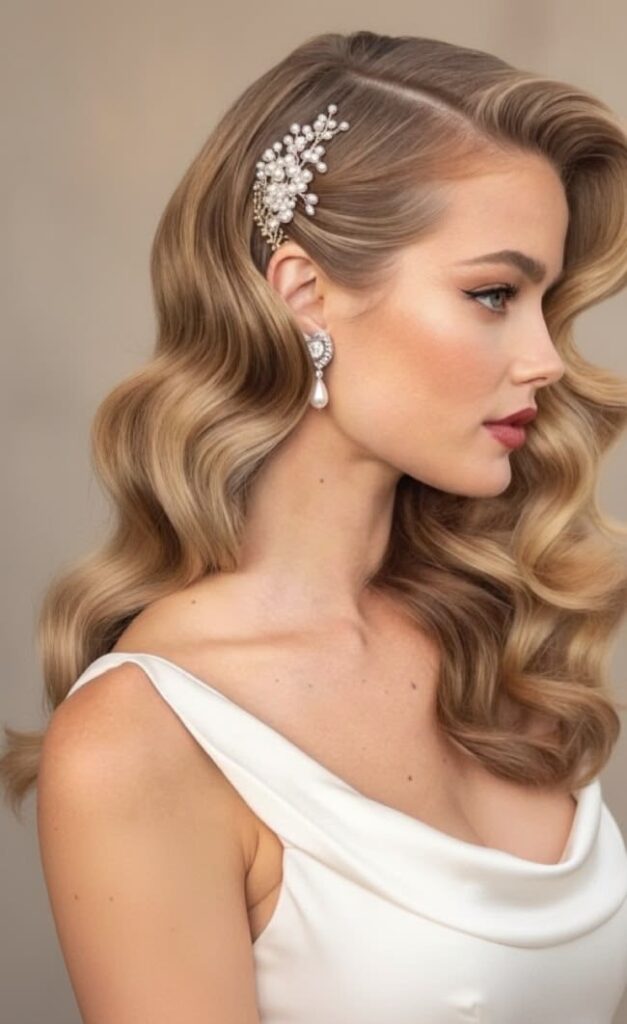
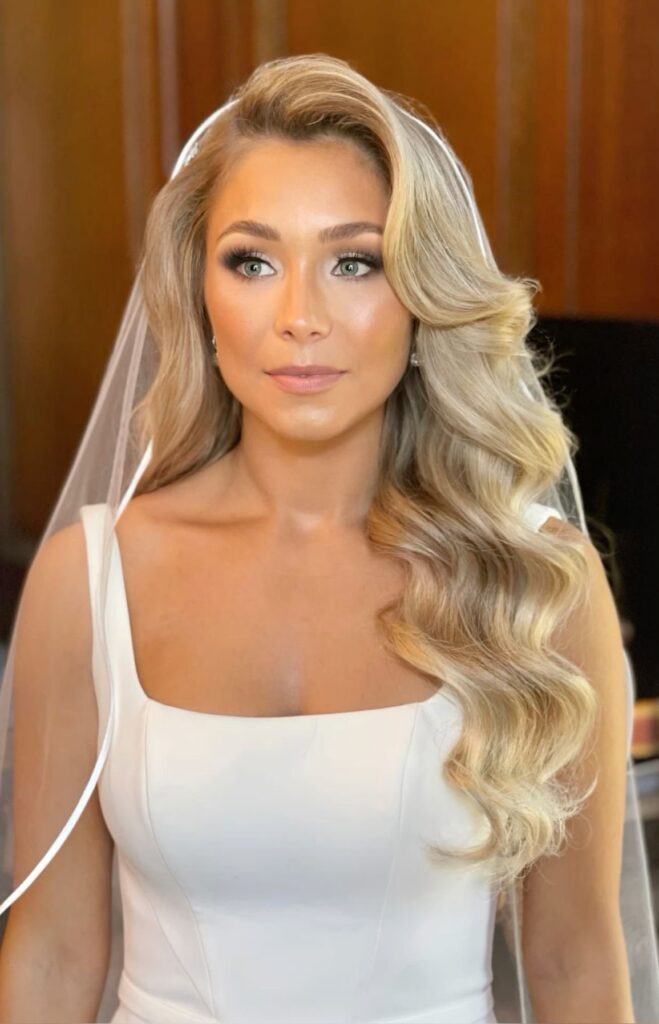
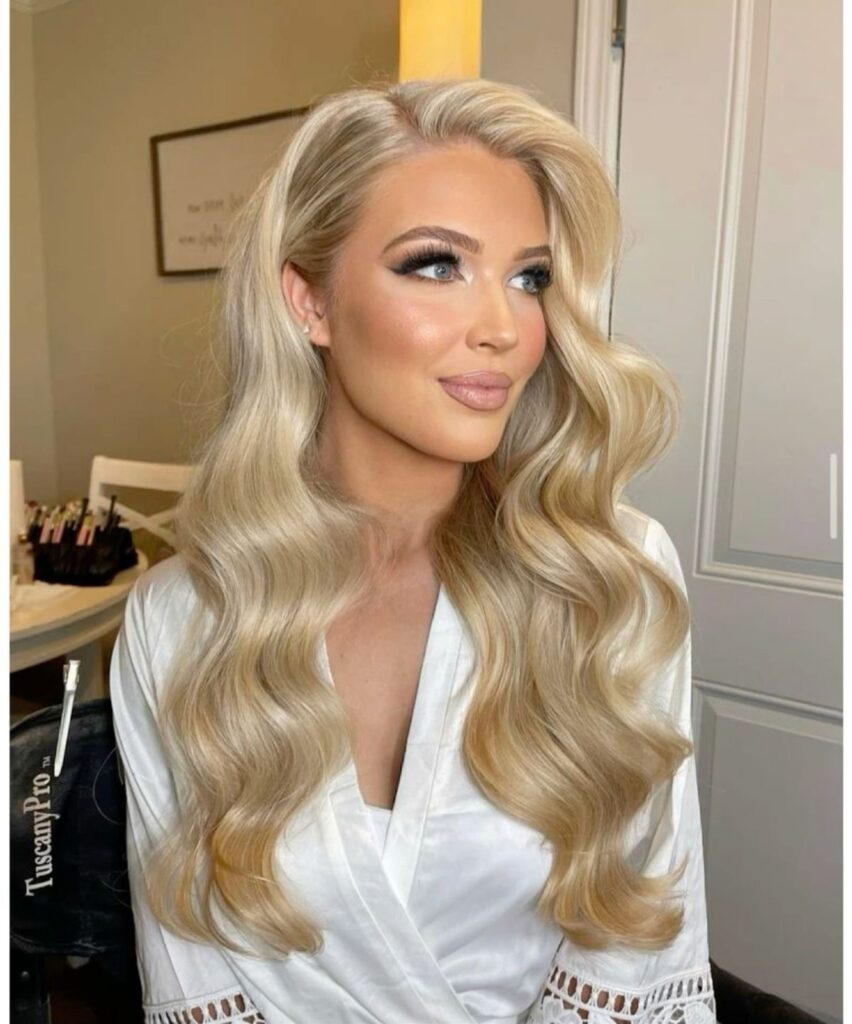
Hollywood waves have a specific visual language that pairs best with accessories in the same register.
Crystal-embellished pins or combs worn at the deep side part enhance the glamour of the style without disrupting the flow of the wave. Vintage-inspired Art Deco brooches worn to one side are a classic pairing with the 1930s lineage of the look. Delicate hair vines threaded carefully through the top of the wave add texture without breaking the sleekness.
Veils and Hollywood Waves
The cathedral veil is the most iconic pairing with Hollywood waves, worn behind the wave pattern so it doesn’t disturb the part or the top of the wave. A blusher veil over the face works if it’s attached at the back of the crown and doesn’t flatten the top of the wave when worn down.
What typically doesn’t work: accessories placed at the top of the head that break the sleek root, or any hardware that clips into the wave pattern itself and creates visible disruption in the S-curve.
The Bridal Trial — What to Test and Bring
Bring to the trial: your inspiration images with specific notes on what you like (the wave scale, the direction, the gloss level), any accessories you’re planning to wear, extensions if you’re using them, and your veil if you have it.
What the trial tests:
The barrel size and curl direction that produces the right wave scale for your face and hair length. Whether the pin-curl method is holding the wave definition through the 2 to 3-hour mark. How the style holds in photographs (the trial is an excellent time to take photos in natural light and indoor light). Whether the anti-humidity products are adequate or need adjustment.
What to photograph at the trial:
The front, the side profile (both sides), and the back. Hollywood waves live in the profile and the back as much as they do in the front. If your photos of the trial only show the front, you don’t have enough information to evaluate the style fully.
Frequently Asked Questions
What is the difference between Hollywood waves and beach waves?
Hollywood waves are sculpted, directional S-curve waves with a sleek root and a polished, uniform wave pattern. Beach waves are relaxed, variable in size, and have a more tousled, undone texture. They require different techniques: Hollywood waves use a pin-curl setting method for definition and longevity; beach waves use a looser curl-and-release approach. Beach waves suit casual or boho aesthetics; Hollywood waves suit formal, glamorous, or ballroom settings.
How long do Hollywood waves last on a wedding day?
With the pin-curl setting technique and appropriate anti-humidity products, Hollywood waves can hold through a full 10 to 12-hour wedding day in South Florida conditions. Without the pin-curl method, they may begin to soften after 3 to 4 hours in high humidity. The finishing product choice and any touch-ups available through an on-site stylist also extend the longevity significantly.
Can Hollywood waves work in Florida humidity?
Yes, with the right technique and product strategy. The pin-curl setting method, anti-humidity primer in the set, and a humidity-sealing finish are the three essential elements. A stylist who regularly works with South Florida brides will already know this approach; if you’re evaluating stylists, ask specifically about their humidity-proofing technique for wave styles.
What face shapes suit Hollywood waves?
Hollywood waves are most flattering on oval, heart-shaped, and square face shapes. The directional flow of the wave and the volume it creates at cheek level suit these shapes well. On round faces, the wave’s fullness at the sides can add width, though a high-volume crown and less width at the sides can adjust this. Your stylist can tailor the wave direction and fullness placement to your specific face shape at the trial.
Do I need extensions for Hollywood waves?
Not always. Hollywood waves work beautifully on natural hair at shoulder length and longer. Below the collarbone is generally the minimum for the wave pattern to develop fully. For brides with hair above the collarbone, extensions add the length that opens up the style’s full potential. Some brides with longer hair also add extensions for volume, which amplifies the wave pattern and adds the visual weight that makes the style most dramatic.
How far in advance should I book a stylist for Hollywood waves?
Book your trial at least 3 to 4 months before the wedding. Hollywood waves require a specific technical skill set, and finding a stylist with the experience to execute the style precisely and in South Florida conditions takes time. For peak-season dates, booking the artist 12 to 18 months in advance is recommended regardless of style choice.
Ready to Talk Hollywood Waves?
If Hollywood waves are at the top of your bridal hair shortlist, the best next step is a trial appointment to see the style on your specific hair, in your actual texture and length, with the products and technique calibrated for your wedding conditions.
Check availability and book a consultation with the Phairis Luxury team.
For more bridal style guidance:
To be iconic?
Ready
I'm excited to hear all about your wedding/Event day. Have a question about a booking and hair styling sessions? View our services and talk to us, also dont forget to check our portfolio
