
Natural Bridal Makeup: The Complete Guide to Dewy, Fresh Wedding Looks

“I want to look like myself, just better” is the most common request I hear from brides who want natural makeup. It sounds simple. In practice, it’s one of the most technically demanding looks in bridal beauty to execute well.
Natural bridal makeup, done correctly, is not less makeup. It’s a different kind of makeup: a specific technique that looks luminous, healthy, and natural rather than covered. The dewy finish that defines the natural bridal look requires more precision in application, more careful skincare preparation, and more thoughtful product choices than a full-coverage look where you can correct as you go. And in South Florida’s heat and humidity, there’s an additional challenge: the dewy finish that looks beautiful in photographs can become a different thing entirely when the skin warms outdoors. Managing that is where experience matters most.
This guide covers what natural bridal makeup actually involves, how the dewy skin finish is created and maintained, how it holds in South Florida conditions, and what your trial needs to confirm.
What Natural Bridal Makeup Actually Means
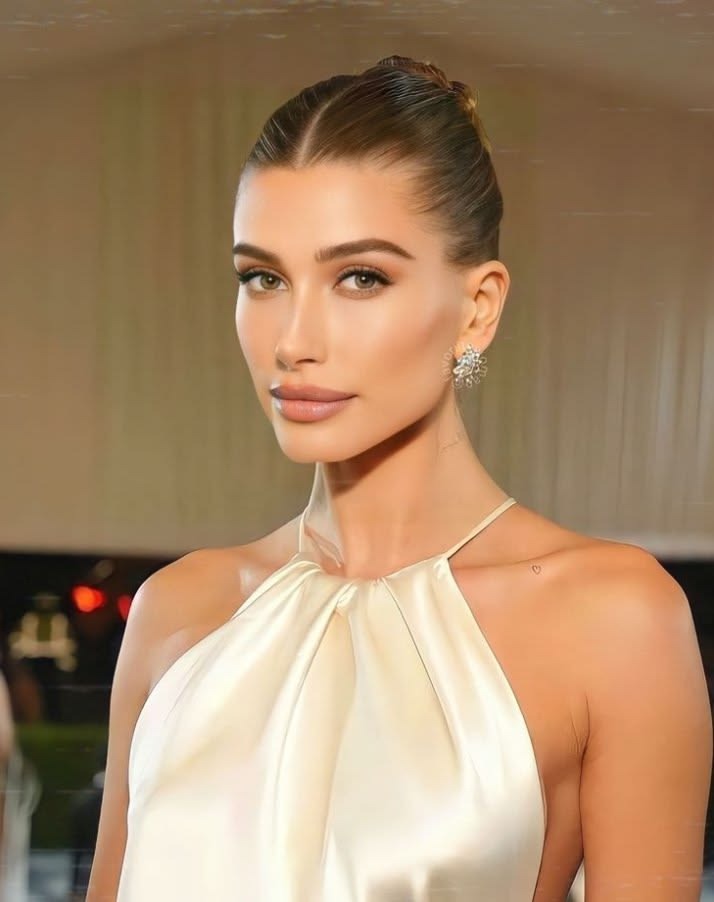
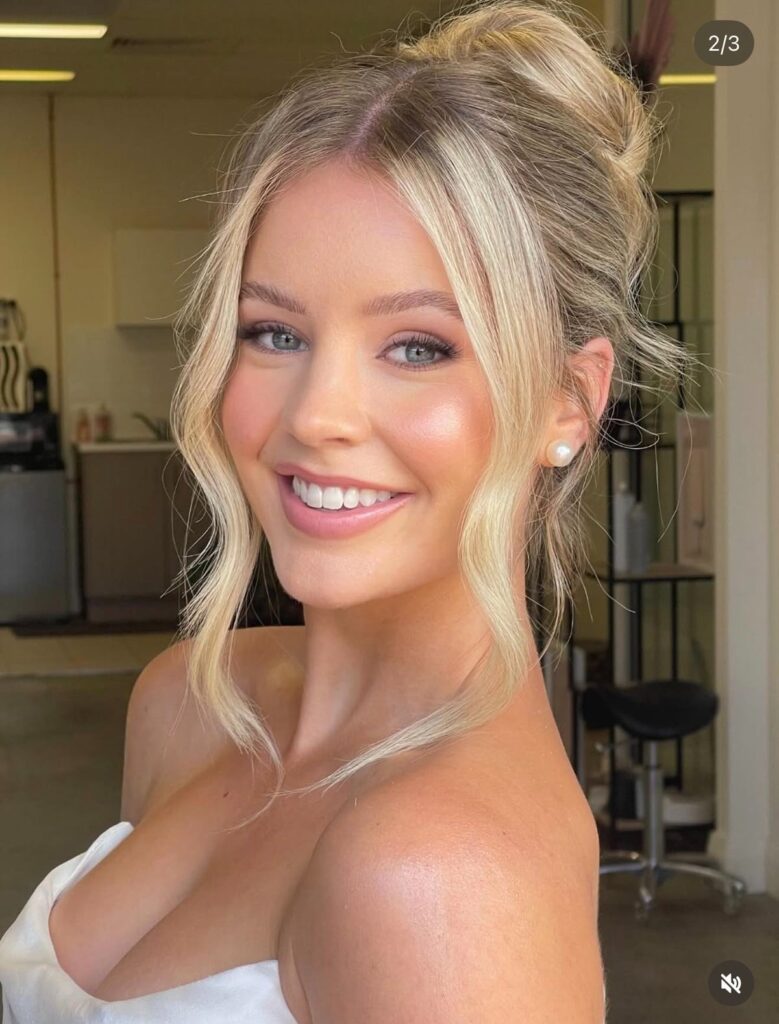
Natural bridal makeup is a light to full coverage look with a luminous, dewy finish. The features are enhanced rather than covered. The overall look is “radiant and beautiful” rather than “beautifully made up.”
The key word is “enhanced.” Natural bridal makeup is not bare skin. It is intentional, a skilled application of products applied to make your best skin look its most luminous version. A foundation that evens tone while smoothing texture. A cream blush that gives the cheeks warmth and life. Mascara and a tightline that make the eyes brighter without adding visible eyeliner. Brows that are groomed and softly defined rather than architecturally drawn. A lip in your natural color, a version or two warmer and more polished than your actual lip.
What it is not: coverage that hides the skin. Heavy contour. Dramatic eye makeup. Statement lipstick. A finish that reads as “I am wearing makeup” in the photos.
For brides choosing between natural, soft glam, and other makeup aesthetics, the complete soft glam bridal makeup guide covers the softer end of glam for comparison — it’s a useful reference for understanding where the line between the two aesthetics sits.
Why “I Want to Look Natural” Is the Most Misunderstood Request
The reason natural bridal makeup frequently doesn’t turn out as expected isn’t that the artist doesn’t understand the aesthetic. It’s that “natural” means different things to different people, and the bride’s reference images and the artist’s interpretation don’t always match.
Some brides want a very minimal look: almost no coverage, barely-there color, just improved skin. Others want what is effectively a soft glam look but presented as “natural” because it doesn’t include dramatic eye makeup. These are different looks requiring different techniques and different conversations.
The most useful thing you can bring to your trial consultation is specific: inspiration images with notes on what specifically appeals to you, what you want more of, and what you want less of. “The skin in this image but not as much eye definition as in that image” gives an artist much more to work with than “I want natural.”
Natural vs. Soft Glam vs. No-Makeup Makeup — The Key Differences
These three aesthetics are closely related and frequently confused. Understanding what each means, helps you identify where your inspiration images actually fall and will help you communicate your preference clearly.
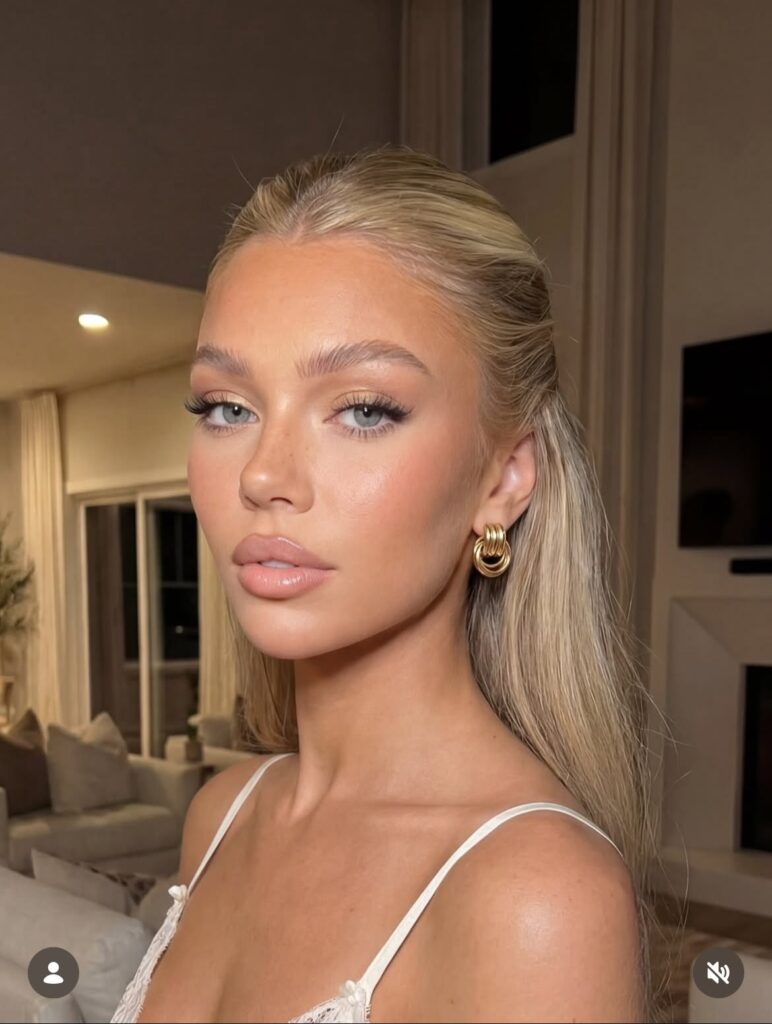
Natural bridal makeup is defined by: sheer to light coverage, visible skin texture & freckles, dewy luminous finish, soft neutral feature enhancement, minimal visible product. The priority is the skin.
Soft glam bridal makeup adds: more intentional eye definition (a soft smoky eye or cut crease may be included), fuller coverage that smooths more of the skin’s texture, a slightly more polished or finished quality. The overall effect is more “done” than natural, though it remains warm and beautiful rather than dramatic. A little eye shimmer and overlined neutral lip adds to this look.
No-makeup makeup maximizes the illusion that there is nothing on the skin at all: extreme skin-matching, invisible products, the lightest possible hand with color and definition.
The practical question for choosing between them: look at your inspiration images and ask, can you see the skin texture, or does the skin look airbrushed smooth? If you can see the skin, you’re looking at natural or no-makeup makeup. If the skin looks smooth and perfected, you’re in soft glam territory.
The Dewy Skin Finish — How It’s Actually Done
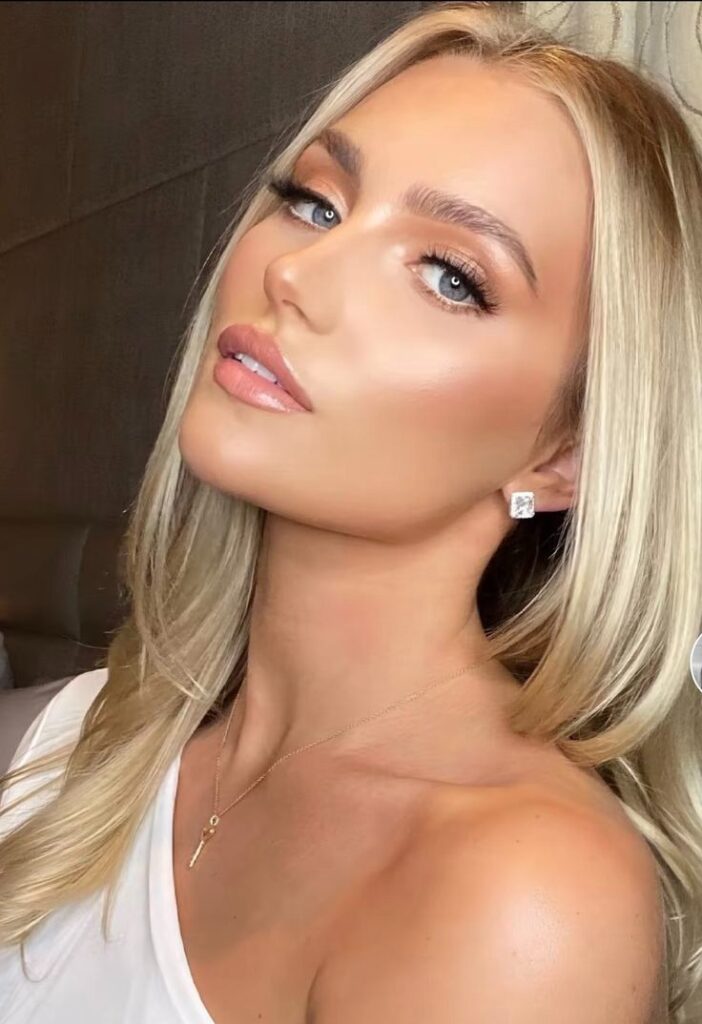
The dewy skin finish is the defining characteristic of natural bridal makeup, and it’s produced by a specific product stack and application sequence, not by skipping foundation.
Skincare as the Foundation
Dewy makeup looks best on skin that is well-hydrated. Before any makeup is applied, the skin needs: a moisturizer that has been fully absorbed (not sitting on the surface), and in some cases a hydrating serum applied underneath. Skin that is dehydrated or surface-dry produces a dewy finish that sits in dry patches rather than creating an even luminosity.
At the trial, your artist will assess your skin’s hydration level and adjust the prep accordingly. In the weeks before the wedding, the most useful thing you can do for a dewy finish is keep the skin consistently hydrated.
The Product Stack
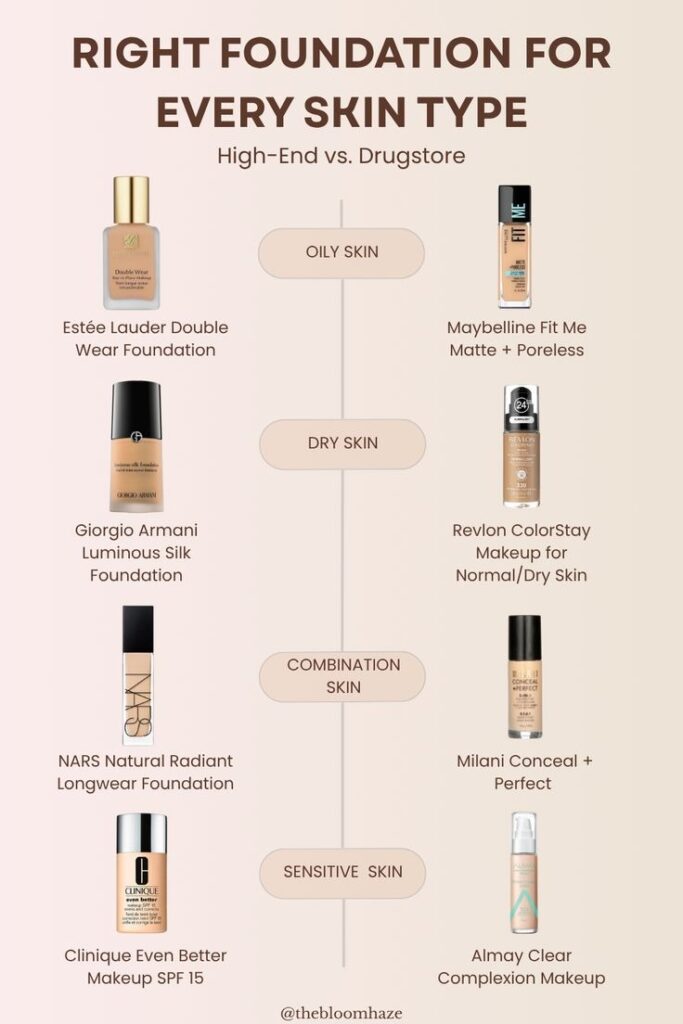
A dewy finish is built from products that sit within the skin rather than on top of it: a serum-foundation or a sheer coverage formula that blends into the skin’s surface rather than creating a separate layer above it. Cream-based products: a cream blush rather than a powder blush, which sits in the skin and adds warmth without a powdery texture. A liquid highlighter blended into the foundation on the high points of the face (cheekbones, brow bone, bridge of the nose), not applied on top as a separate visible sheen.
Setting powder, if used, goes only where the face naturally produces oil: the T-zone and under the eyes. The cheeks, the brow bone, and the outer face stay free of powder, which allows those areas to remain luminous. Powdering the full face “to set” the makeup is the single most common reason a natural bridal look ends up flat and dry rather than dewy.
Why Cream Products Create a Better Dewy Finish Than Powders
Cream products blend with the skin’s natural moisture content. They move with the skin rather than sitting on top of it, which creates the seamless, skin-blurring effect that reads as “good skin” rather than “product on skin.” Powder products, even finely milled formulas, sit on the surface and create a layer that diffuses light evenly but can look flat rather than luminous.
For a natural bridal look, the goal is to use cream products in every phase where a cream product is available: foundation, blush, highlight, and where possible concealer. Powder is used only where it’s genuinely necessary.
Natural Bridal Makeup in South Florida — The Dewy vs. Shiny Problem
This is where the real technical challenge of natural bridal makeup in South Florida lives, and where artist experience makes the most significant difference.
South Florida heat causes the skin to warm and produce natural oils. On a day when the ceremony is outdoors and the temperature is in the high 80s with humidity above 75 percent, the skin’s sebum production increases. When that sebum mixes with the dewy finish, the result is not “luminous skin.” It’s “shiny skin with makeup sliding.”
Managing this is not as simple as adding more powder, because more powder destroys the dewy finish. The solution is a primer and setting approach that extends the makeup’s adhesion and reduces sebum migration without creating a matte surface.
Having your makeup artist stay for trailing touchups is a signature service that Phairis Luxury offers. This allows the bride to be quickly touched up between photos, out in the humidity and heat, whenever needed. It allows the makeup to look dewy and flawless all day long.
The Primer Choice
An anti-shine or pore-minimizing primer under the foundation extends the time before the skin’s oils break through the makeup surface. The primer goes on before foundation, fully absorbed. It doesn’t change the look of the finished makeup but it significantly changes how long the makeup holds its original application quality.
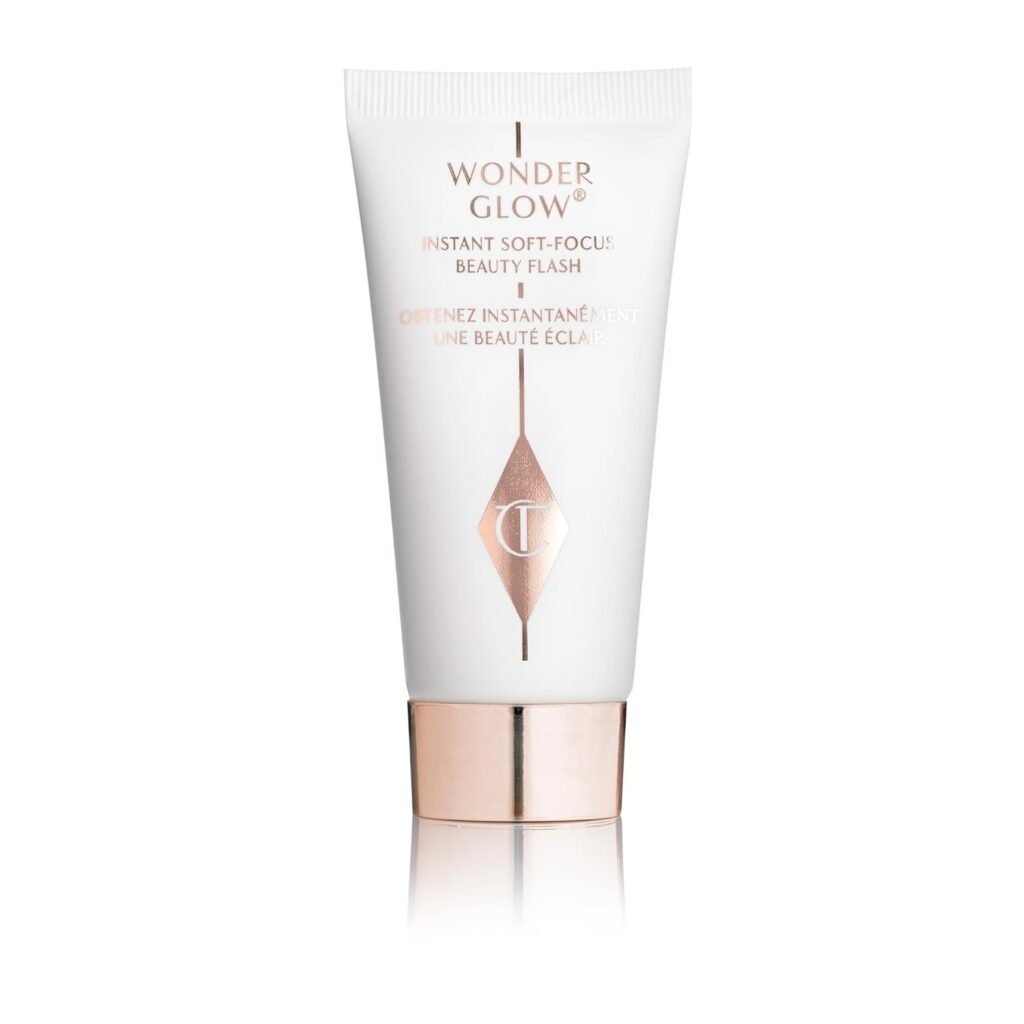
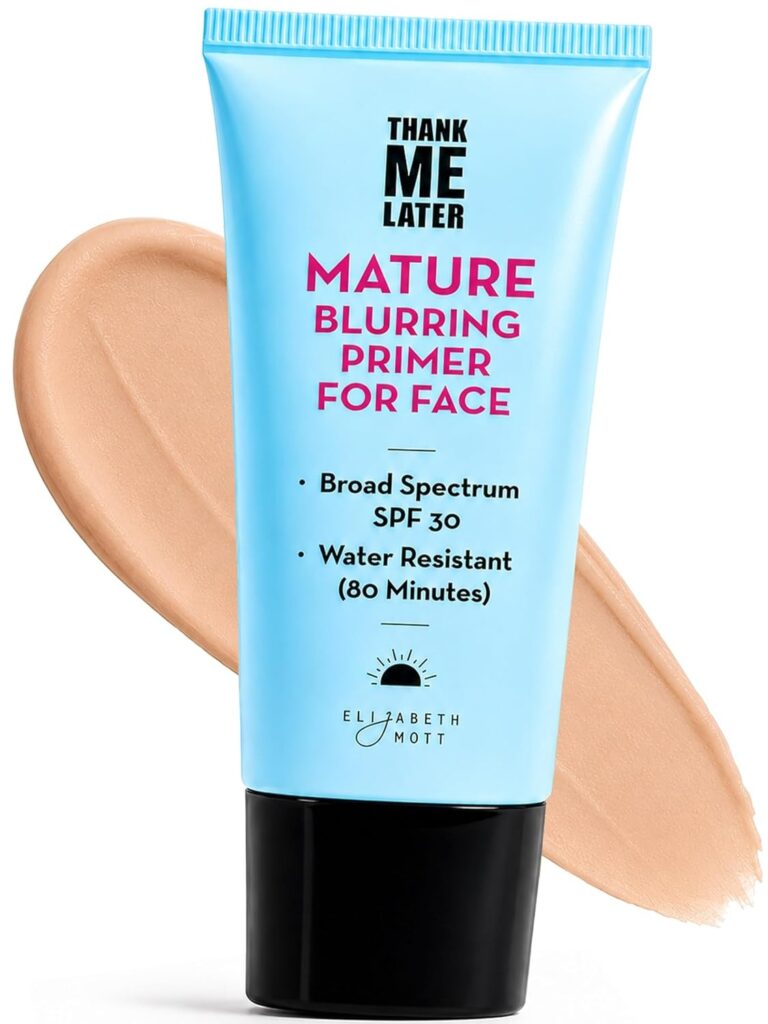
Our choices for oil reducing primer
The Setting Approach
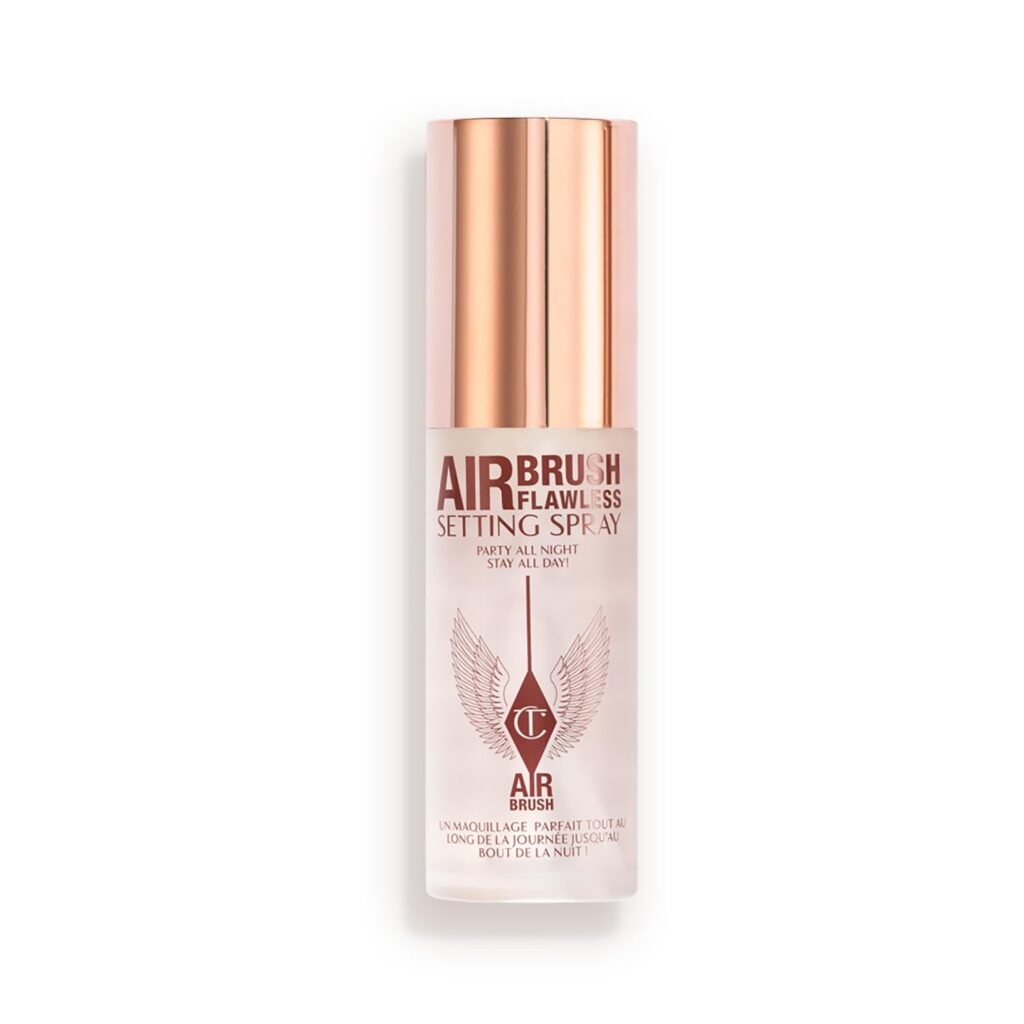
A setting spray applied after the full makeup is done creates a surface seal that holds everything in place. In South Florida outdoor conditions, a long-wear or heat-resistant setting spray is more effective than a traditional finishing spray, which is designed for indoors and cooler conditions.
The touch-up strategy for natural bridal makeup in South Florida heat is specific: blotting papers remove oil without disturbing the makeup below, and a light dusting of a skin-tone translucent powder on oil zones re-sets those areas without changing the overall dewy quality.
What All-Day On-Site Presence Means for Natural Makeup
Natural bridal makeup, because of its light coverage and dewy finish, benefits more from all-day touch-up service than heavy-coverage looks do. A full-coverage look with heavy powder setting has built-in durability. A dewy natural look is more responsive to conditions through the day.
Having your bridal team on-site through the reception means that the strategic blotting and touch-up work is handled by the person who applied the makeup and knows exactly where the coverage was placed and what needs refreshing. This is particularly meaningful for natural bridal brides whose priority is looking like themselves, because an amateur touch-up with the wrong product can significantly change the look.
Eyes for Natural Bridal Makeup
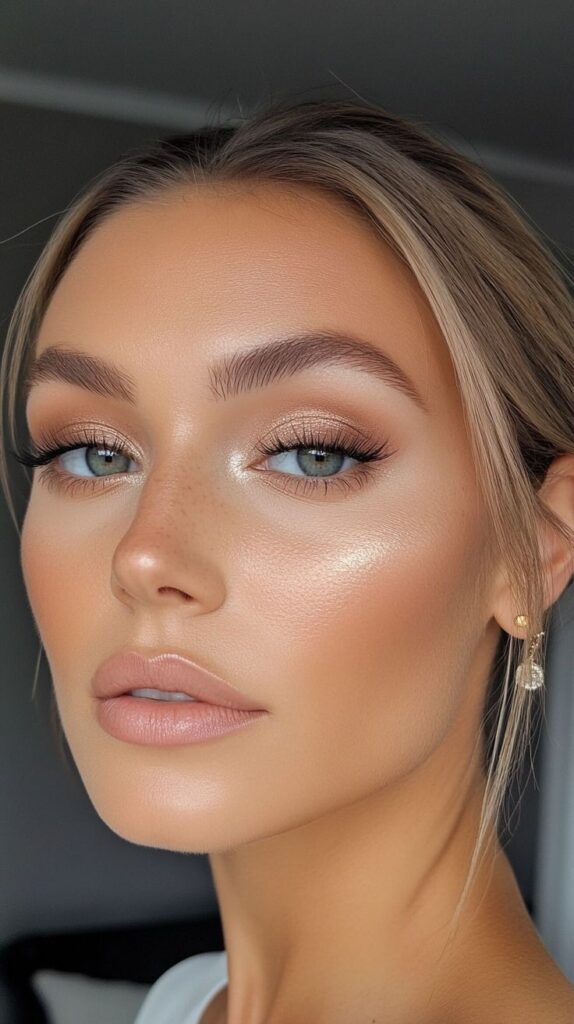
The natural eye aesthetic is defined by enhancement without transformation. The goal is to make your eyes look brighter, more open, and more present, without the eye reading as “I have eye makeup on.”
The Neutral Eye
A soft wash of neutral tone, close to your own lid color but slightly warmer or more defined, creates depth at the lash line without a visible line of color. A matte tone slightly deeper than the lid color in the outer corner creates dimension. No shimmer on the lid (shimmer reads as product in a natural look), though a soft satin highlight on the inner corner opens the eye.
The Tightline
Instead of visible eyeliner on the lash line, a tightline places a dark pencil or gel liner between the lashes, at the inner waterline. From any distance, including close in photos, this reads as thick, naturally dense lashes rather than visible liner. It’s the most effective eye-brightening technique in a natural look because it enhances without announcing itself.
Lash Choice
Individual lash extensions or a very natural strip lash in the lower volume range suit natural bridal makeup. A dramatic false lash, even in a natural brown, has a visible artifice that contradicts the skin-forward intention of the rest of the look. If you’re considering lash extensions, bring photos of the lash styles you’re drawn to to the trial and assess how they read against your finished natural makeup.
Brows
Brows in a natural look are defined, not drawn. The goal is groomed, full, feathery brows that frame the face without competing with the soft eye and lip. A spoolie brush through the brows, a light brow powder or pencil in light hair-like strokes where gaps exist, and a brow setting gel to hold the shape produces a brow that reads as exceptionally well-groomed natural brows rather than filled-in brows.
Lip Choices for a Natural Bridal Look
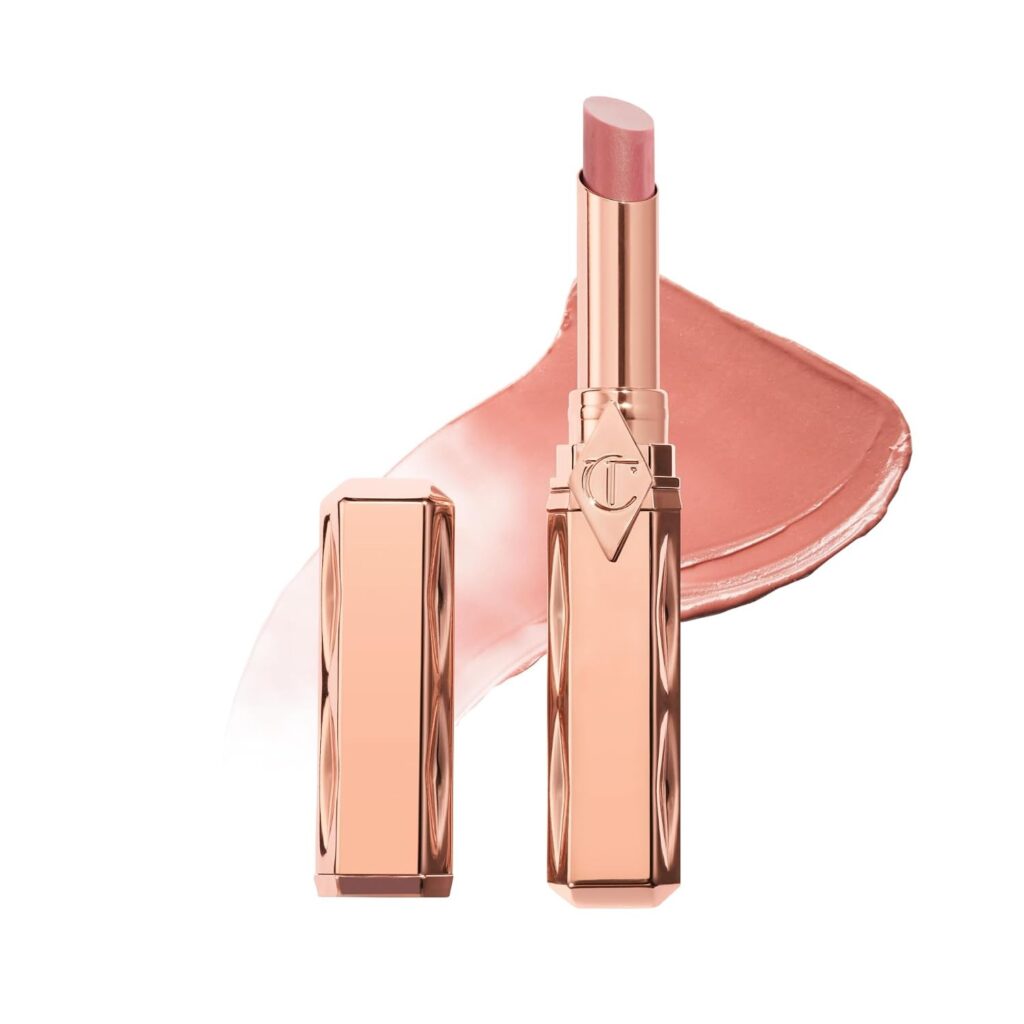
The natural lip is your lip: your exact lip color, slightly enhanced. The goal is not to add a color that changes the overall palette of your face, but to make your actual lip look its most polished, even-toned, and healthy version.
This typically means: a lip liner in your natural lip color (used to even the lip shape and give the color product something to adhere to), a tinted balm or a soft satin finish lipstick in a tone 1 to 2 shades warmer than your lip’s own color, and a gloss worn on top if you want the additional luminosity that echoes the dewy skin finish.
The lip challenge in natural bridal makeup is longevity. Light-coverage, natural-finish lip products don’t hold through a ceremony and reception the way a heavily pigmented long-wear lipstick does. The approach is to use a lip liner as an anchor, touch up after the ceremony if needed, and have a product in the touch-up kit that matches the original application closely enough to refresh without changing the look.
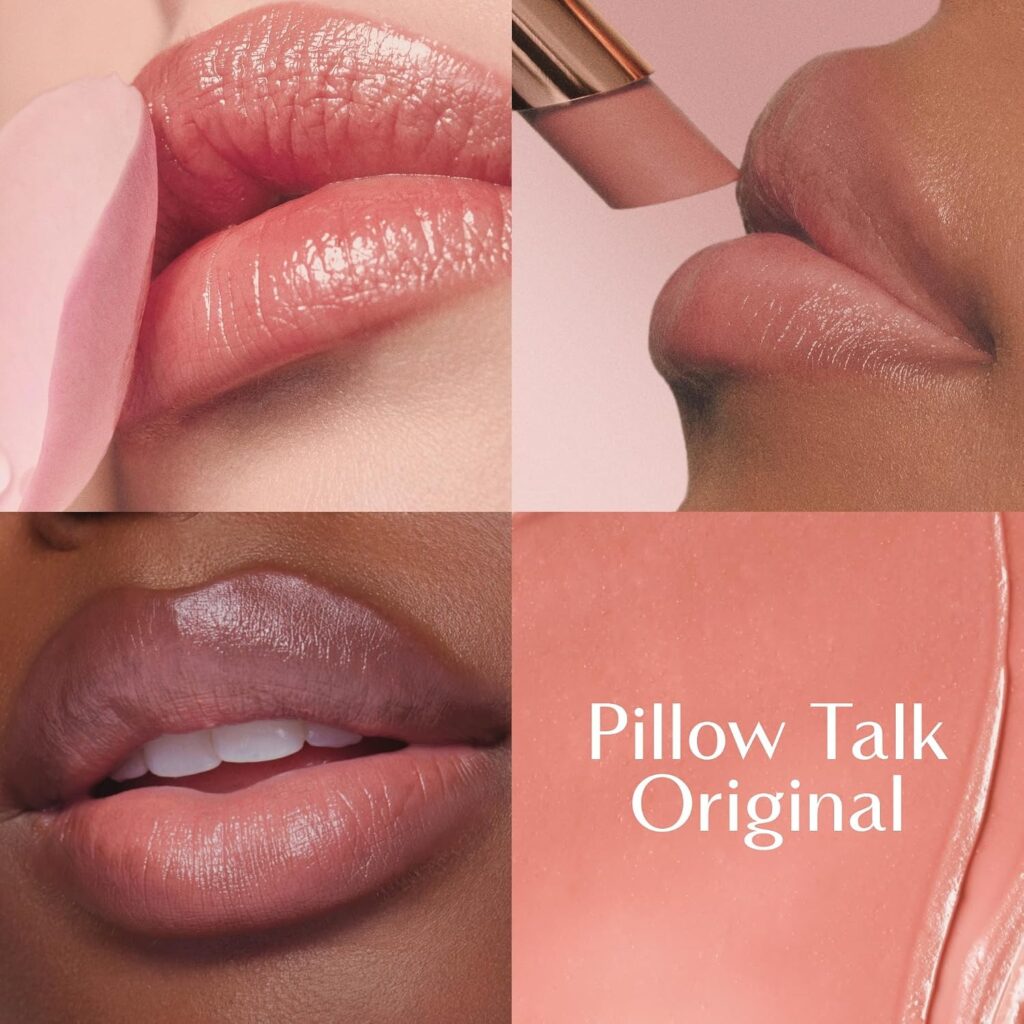
Our most popular neutral lip color: Pillowtalk by Charlotte Tilbury
Skin Prep in the Weeks Before the Wedding
Natural bridal makeup is less forgiving of skin issues than full-coverage looks, because less coverage means more of the actual skin is visible. The preparation in the weeks before matters more here than for any other bridal makeup aesthetic.
The most important principles: keep the skin consistently hydrated (not just the week before, but for the 4 to 6 weeks before), avoid introducing new skincare actives close to the wedding date (new retinoids, acids, or treatments can cause unexpected reactions), and don’t schedule aggressive facial treatments like chemical peels or microneedling within 2 to 3 weeks of the wedding.
If you have skin concerns you want addressed before the wedding, such as hyperpigmentation, texture, or acne, discuss them with a dermatologist and with your makeup artist. Your artist can advise on what skincare improvements most benefit a natural bridal look specifically, and can work with any remaining skin variation at the trial. For more detail on the full South Florida bridal beauty planning approach, including skincare preparation timing, the climate-resistant bridal beauty guide for South Florida covers the planning framework.
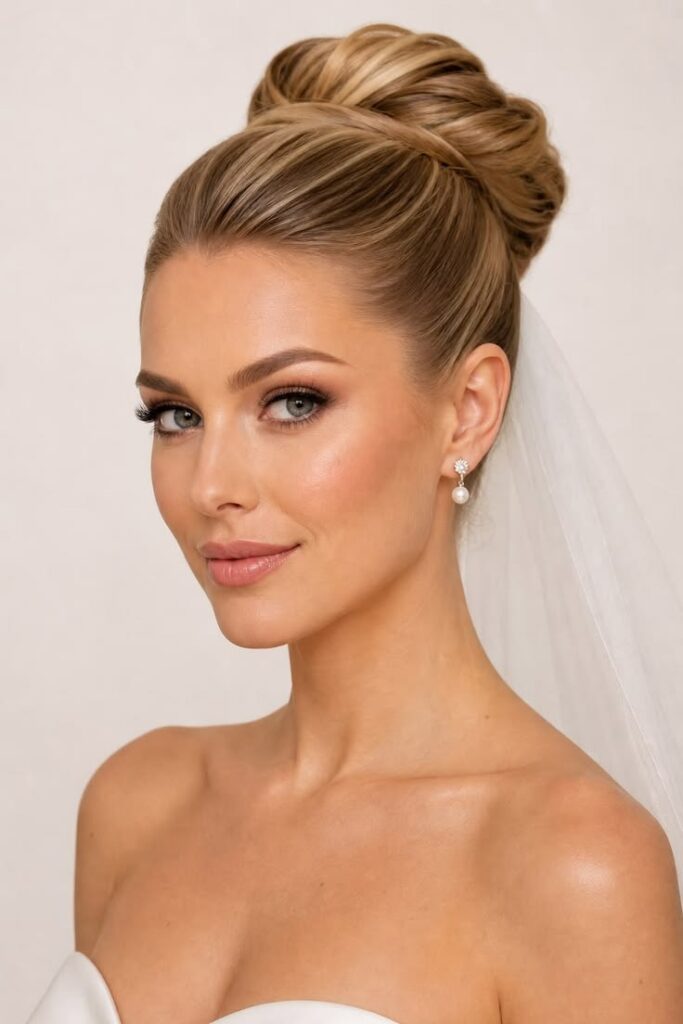
What the Trial Needs to Test for Natural Bridal Makeup
The bridal trial for a natural look has specific tests that differ from the tests for a full-coverage look.
Foundation shade and undertone: With light coverage, there is no margin for a shade that doesn’t match precisely. The foundation must be a near-perfect match in both depth and undertone. Mismatches are visible in daylight and in photographs. Test this in natural light, not just under salon lighting.
Dewy finish hold: The trial is the place to assess whether the dewy finish holds through 2 to 3 hours without moving to oily or flat. Take a photograph at the 2-hour mark in natural light and evaluate the skin. Is it still luminous? Is it starting to look shiny? Has it stayed consistent? This information directly shapes the setting approach for the wedding day.
Photography behavior: Take photos in two lighting conditions at the trial: natural light (near a window) and artificial light (with your phone flash). Natural light shows the skin most accurately. Flash photography flattens light-coverage makeup and can produce a washed-out appearance if the face doesn’t have enough subtle definition to maintain dimension. Your artist should assess whether any additional contouring or bronzer is needed for the photography look, balanced against the natural aesthetic.
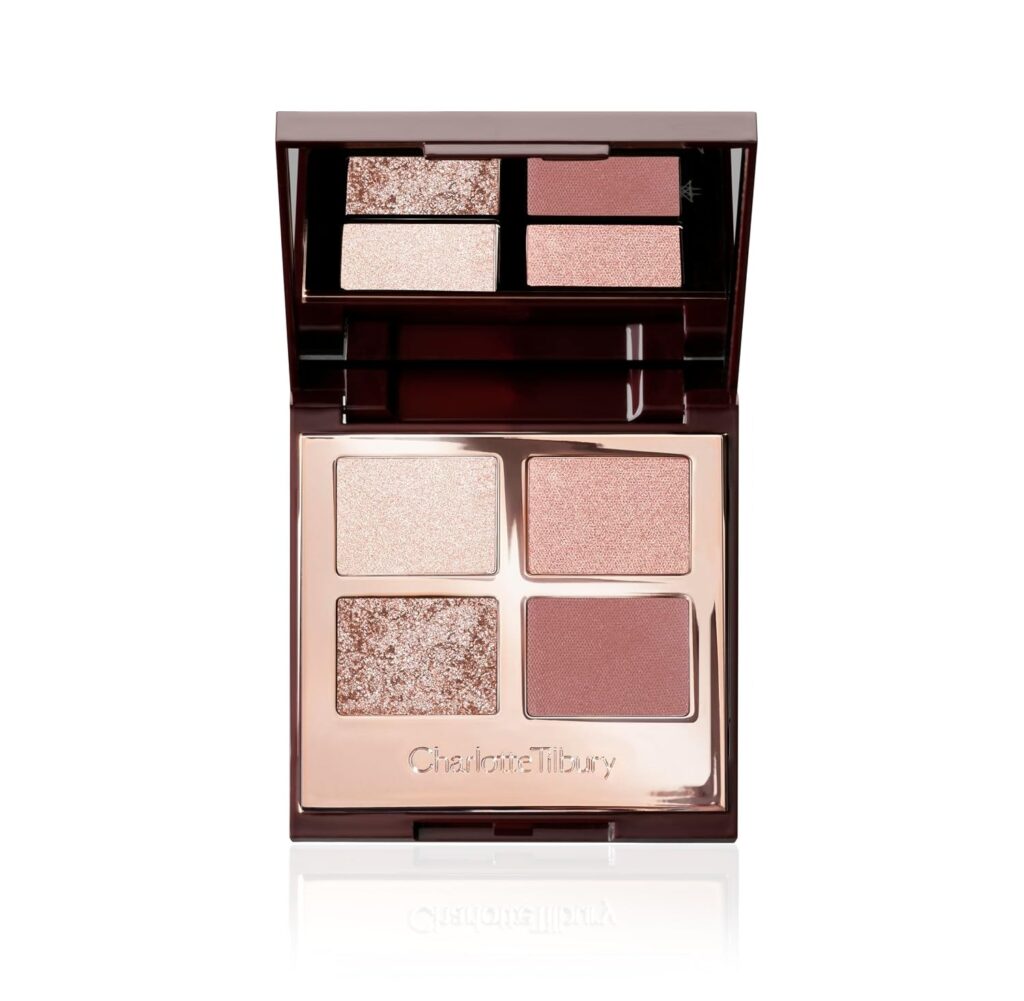
Natural Bridal Makeup and Photography
Natural bridal makeup reads differently in different photography conditions, and this is worth understanding before the wedding day.
In golden hour natural light, a dewy natural look photographs beautifully. The light itself creates dimension and glow, and the minimal makeup doesn’t compete with it. This is the photography condition where natural bridal makeup looks its absolute best.
In indoor flash photography or in midday harsh light, very light coverage can occasionally read as washed out, because the flash flattens the skin’s natural dimension and the minimal product doesn’t provide enough contour to compensate. A skilled makeup artist will build in just enough subtle definition — a light bronzer in the hollows, a soft highlight on the high points — to ensure the face has dimension in all lighting conditions without compromising the natural finish.
Discuss this with your makeup artist and, if possible, with your photographer. Understanding what lighting conditions will dominate at your venue and the photography style your photographer uses allows your artist to calibrate the look for how your photos will actually be taken, not just for how the look appears in the mirror.
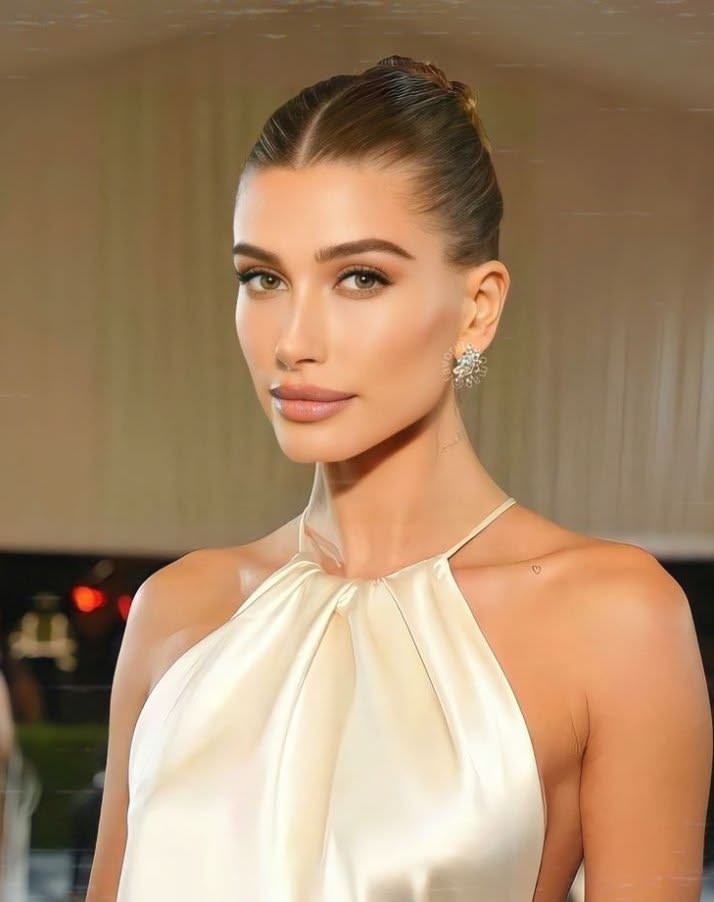
Frequently Asked Questions
What is natural bridal makeup?
Natural bridal makeup is a skin-forward, light-coverage look with a luminous, dewy finish. It enhances rather than transforms: the skin reads as your skin, the features look brighter and more present without visible product, and the overall effect is “radiant and beautiful” rather than “beautifully made up.” It uses sheer-coverage foundations, cream blush and highlight, a soft neutral eye, and a lip in your natural color range.
What is the difference between natural bridal makeup and soft glam?
Natural bridal makeup uses lighter coverage, preserves more skin texture, and uses less intentional eye definition than soft glam. Soft glam adds a more defined eye (sometimes a soft smoky or cut-crease element), fuller coverage that smooths more of the skin’s texture, and a slightly more finished quality overall. Natural makeup reads as “barely there”; soft glam reads as “beautiful and polished.”
Does natural bridal makeup last all day?
Yes, with the right primer, setting approach, and touch-up strategy. Natural bridal makeup requires more thoughtful maintenance than a fully powdered, heavy-coverage look, because the light coverage and dewy finish are more responsive to heat and skin oils. The right anti-shine primer, a heat-resistant setting spray, and on-site touch-up service through the day extend the look through a full reception.
Can natural bridal makeup work in Florida heat?
Yes, with specific product choices and technique. The key challenge is maintaining the dewy finish without it reading as oily in heat. An anti-shine primer under the foundation, a targeted (not full-face) setting powder in the T-zone, and a setting spray seal extend the look in warm, humid conditions. Touch-up strategy with blotting papers and a light translucent powder refresh also matters.
Is natural bridal makeup right for me?
Natural bridal makeup suits brides who want to look like themselves on their wedding day: recognizable to their partner at the end of the aisle, not transformed into a version of themselves they’ve never seen before. It also suits brides whose skin is in good condition and whose features are enhanced by minimal product. If you’re drawn to inspiration photos where the skin is the focus and the makeup feels secondary to the person wearing it, natural bridal makeup is likely the right choice.
What products are used in natural bridal makeup?
A typical natural bridal makeup look uses: a hydrating primer, a serum-foundation or sheer-coverage foundation, a cream concealer (spot-applied only where needed), a cream blush, a liquid or cream highlighter blended into the foundation, a tightline or soft neutral eyeshadow, mascara or natural individual lashes, brushed-up softly defined brows, and a satin or tinted lip product close to the natural lip color. Powder is used minimally, in the T-zone only.
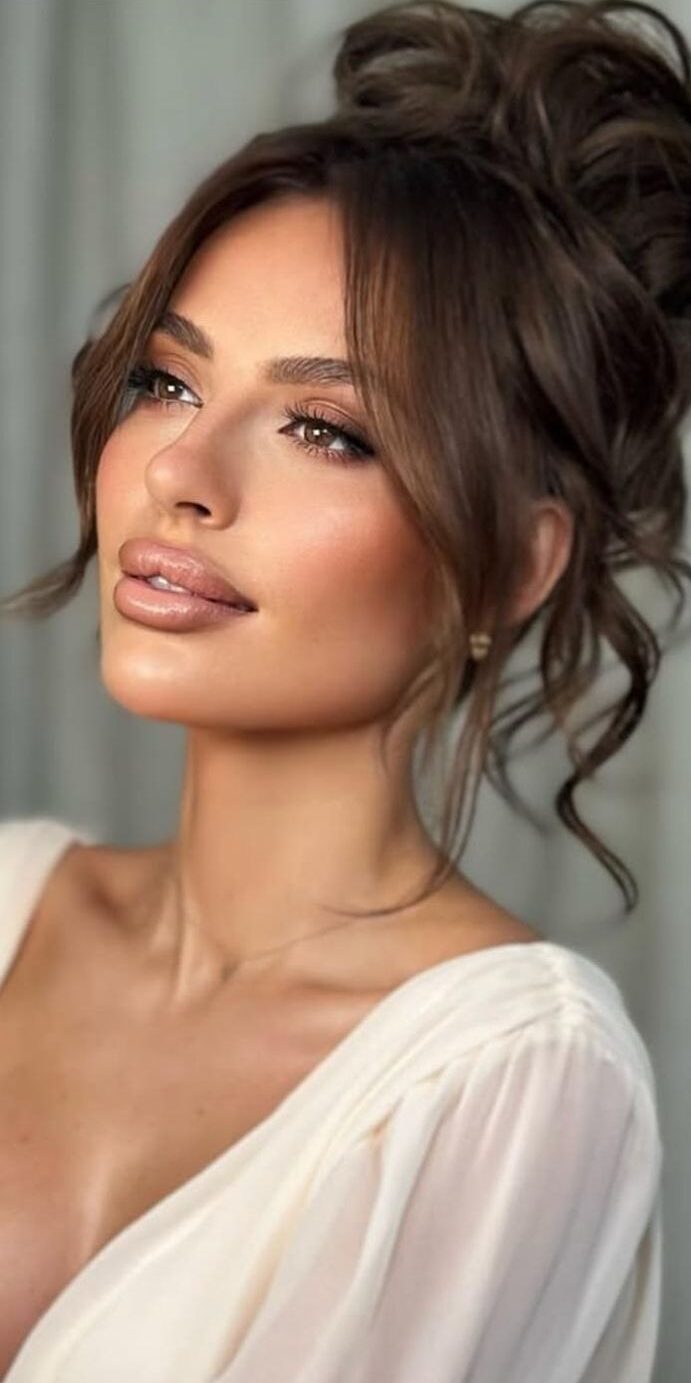
Book Your Natural Bridal Makeup Trial
The best way to see whether natural bridal makeup is right for your day is to see it on your face, in your skin, in the conditions of your actual wedding location. The trial is where that conversation becomes concrete.
Check Phairis Luxury availability for your date and start the consultation process.
For more on bridal makeup aesthetics and planning:
To be iconic?
Ready
I'm excited to hear all about your wedding/Event day. Have a question about a booking and hair styling sessions? View our services and talk to us, also dont forget to check our portfolio
