
Editorial Makeup Artist in Palm Beach: Who Needs One, and Why

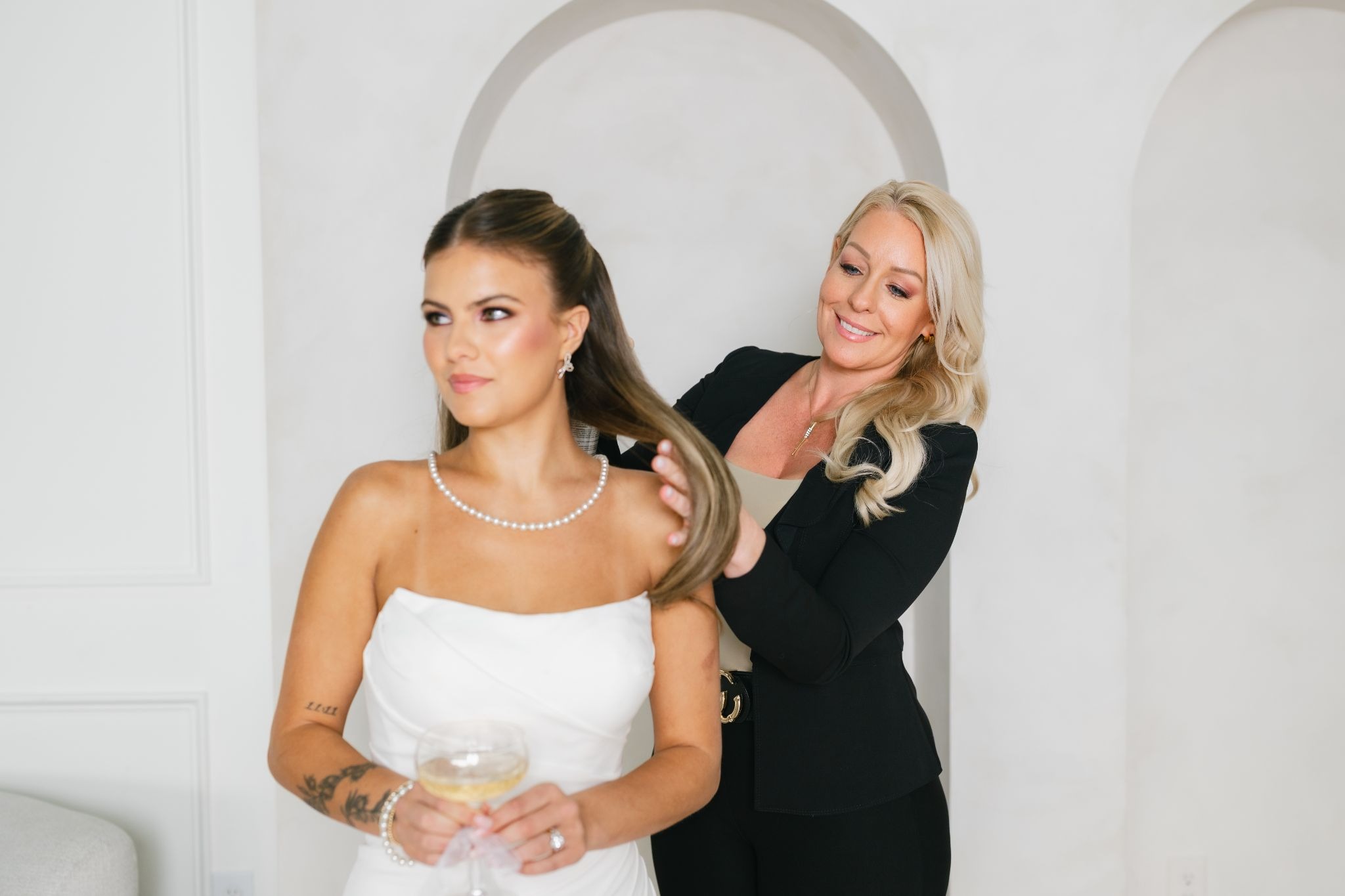
An editorial makeup artist creates makeup for the camera and a creative concept rather than for everyday flattery — for magazine shoots, brand campaigns, lookbooks, and high-fashion portraits. In Palm Beach, that mostly means resort and lifestyle brand work. The craft differs from bridal in finish, longevity, and who the makeup is designed to please.
If you’re producing a shoot in Palm Beach and you’ve been searching for a makeup artist, you’ve probably noticed the listings blur together. Bridal artists, beauty artists, editorial artists — the titles overlap and the portfolios sometimes look similar at a glance.
They aren’t the same job. Booking a wedding artist for an editorial shoot, or an editorial artist for a wedding, produces work that is technically fine and strategically wrong.
This guide explains what editorial makeup actually is, what the camera demands that your bathroom mirror doesn’t, who hires editorial artists in Palm Beach, and how to brief and book one.
What “Editorial” Actually Means in Makeup
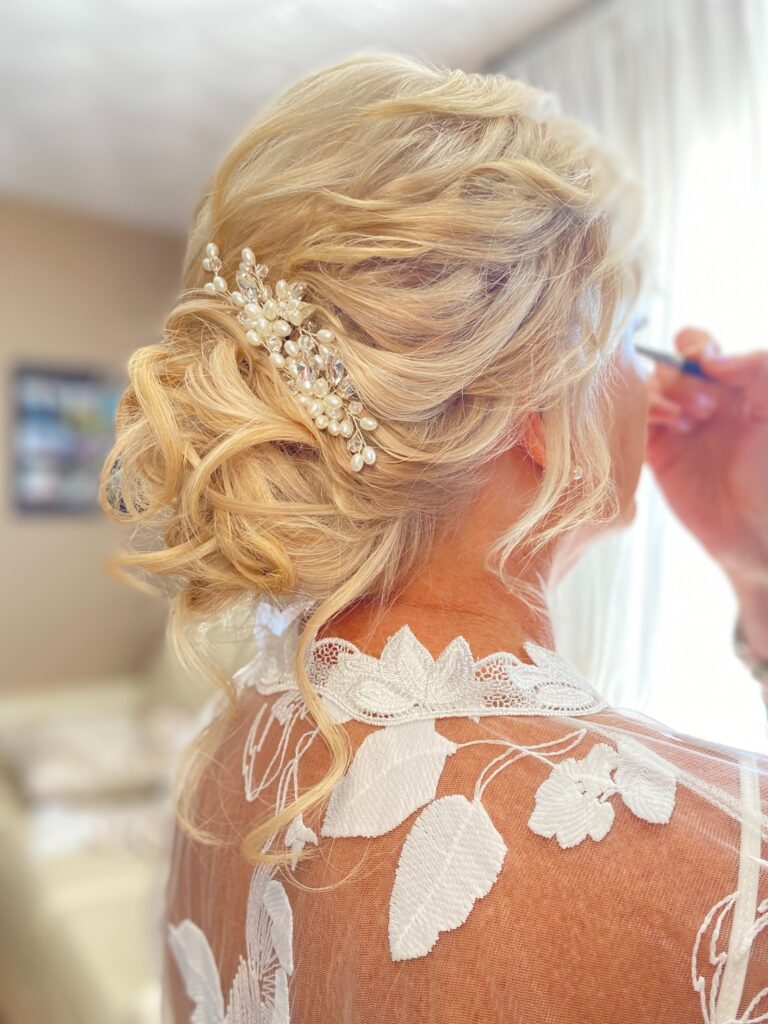
Concept-Led, Not Client-Led
Everyday makeup and bridal makeup answer the same question: how do I look like the best version of myself?
Editorial makeup answers a different one: what does this image need?
Sometimes those align. Often they don’t. An editorial brief might call for a bleached brow, a graphic liner, deliberately flushed skin, or a face that reads striking rather than pretty. The subject is serving the concept, not the other way round.
That’s the core distinction, and everything else follows from it.
Built for a Camera and a Lighting Setup, Not a Room
Editorial makeup is designed for one specific viewing condition: through a particular lens, under a particular light, at a particular distance.
That’s a much narrower target than bridal makeup, which has to hold up in a dim hotel suite, in bright outdoor sun, in candlelight, and across every angle a hundred and fifty guests will see. Editorial makeup only has to be right in the frame.
Narrower, but more exacting. Makeup that looks beautiful in person can photograph badly under strobe, and makeup that looks strange in the room can photograph extraordinarily. Experienced editorial artists work from the monitor, not the mirror.
Where the Term Comes From
“Editorial” originally referred to the editorial pages of a magazine — the styled features, as distinct from advertising pages. Those features were where photographers and stylists worked to a creative concept rather than a client’s product requirements, and the makeup followed.
The term now covers any concept-driven, camera-first work: fashion, beauty features, brand campaigns, lookbooks, and art-directed portraiture.
Editorial vs. Bridal vs. Everyday Makeup
| Everyday | Bridal | Editorial | |
|---|---|---|---|
| Serves | The wearer | The wearer, the day, and the photographs | The concept and the frame |
| Duration | A few hours | Twelve-plus hours, through tears and heat | A few hours under one setup |
| Finish | Whatever you like | Luminous, forgiving, camera-safe | Whatever the brief requires |
| Judged by | The mirror | Guests and the photographer | The final image |
| Risk tolerance | Low | Very low | High — that’s often the point |
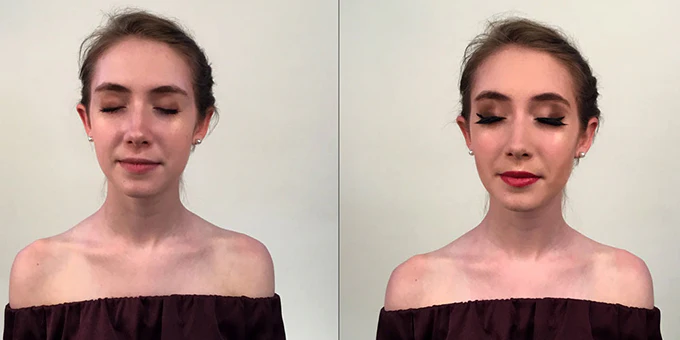
Purpose: Concept vs. Emotion vs. Routine
Bridal makeup is emotional work. The bride needs to recognise herself, feel like herself at her best, and be photographed hundreds of times without ever looking like she’s wearing a mask. Restraint is usually the skill.
Editorial makeup is interpretive work. The artist reads a mood board and translates it. Restraint is sometimes the answer and sometimes exactly wrong.
Longevity: Reshot in Hours vs. Worn for Twelve
A bridal look must survive a full day, weather, crying, eating, dancing, and hundreds of embraces. Every product decision serves that.
An editorial look must survive until the setup changes — and then it’s often deliberately altered or removed for the next look. Longevity matters far less, which frees the artist to use products chosen purely for how they photograph.
Finish and Texture Under Different Viewing Conditions
Bridal makeup is built for a room and a lens simultaneously, which means compromise: enough coverage to photograph well, light enough to look real at conversational distance.
Editorial makeup skips the compromise. If the shoot is close-crop beauty under soft light, the artist can work with almost no coverage and let real skin texture show. If the shoot is high-fashion under hard light, they can build something that would look theatrical across a table and reads perfectly in the frame.
Where the Two Overlap: The Editorial Bride
There’s genuine overlap — the bride who wants a high-fashion, published-feature aesthetic rather than a classic one, or an engagement shoot styled as an editorial. Those bookings draw on both skill sets, and the artists who handle them well tend to have real experience in each. Our guide to camera-ready engagement photo hair and makeup covers that middle ground.
What the Camera Changes
HD and 4K Capture: Texture Becomes Visible
Modern capture resolves detail the eye doesn’t register at conversational distance. Powder settling into fine lines. The edge where foundation stops at the jaw. Product sitting on top of dry patches. Individual hairs out of place.
None of it is visible in a mirror. All of it is visible on a monitor at 100%.
This is the main reason professional shoots use professional artists. It isn’t that the makeup is more beautiful — it’s that it’s built to survive magnification.
Strobe, Flashback, and the SPF Problem
Flashback is the single most common technical failure in photographed makeup, and it’s entirely avoidable.
Many everyday products — foundations, primers, powders, most moisturisers with sun protection — contain SPF or light-reflecting particles. Under normal light they’re invisible. Under a strobe, those particles bounce light straight back at the lens, and the face reads as a pale grey-white patch against the neck.
The fix is product selection: no SPF, no light-reflecting particles, in anything going on camera under flash. It’s a straightforward rule, and it’s why “just wear your own makeup” so often produces unusable images.
Matte, Satin, and Reflective Finishes Under Different Light
Finish behaves differently depending on the light source. Hard, direct light exaggerates shine, so an artist may work matte and add controlled highlight only where it’s wanted. Soft, diffused light flatters a satin or dewy finish and can make a fully matte face look flat.
Continuous light and strobe also differ — continuous lets the artist see what they’re getting in real time, strobe requires anticipating it.
An editorial artist asks about the lighting setup before they open a kit. If nobody has asked, nobody has planned.
Colour Temperature and Your Palette
Warm light shifts a palette one way; cool light shifts it another. Golden-hour daylight, tungsten, and daylight-balanced strobe each render the same lipstick differently.
Mixed lighting — a window plus a strobe plus practicals in frame — is the hardest case, and it’s where an artist who has actually worked on sets earns the fee.
Photo Makeup vs. Video Makeup
They aren’t the same. Stills are single moments the retoucher can refine afterwards. Video is continuous, moves with the subject, and typically gets no retouching at all.
Video demands more skin prep, more attention to how makeup behaves as the face moves, and more caution with anything that catches light unpredictably. If your shoot produces both, say so at booking — it changes the approach.
Who Hires an Editorial Makeup Artist in Palm Beach
Magazines and Publications
Regional lifestyle titles, national features shot on location, and the styled editorials that wedding and design publications run. Palm Beach photographs well and is easy to reach, which brings production here regularly.
Brand and Product Campaigns
Beauty, fashion, jewellery, and lifestyle brands shooting campaign or e-commerce imagery. These shoots are often high-volume — many looks in a day — and the artist has to work fast and consistently.
Resort, Hotel, and Hospitality Marketing
A significant share of Palm Beach editorial work. Resorts, clubs, and hospitality groups produce ongoing marketing imagery, and models need makeup that reads natural on camera while surviving outdoor conditions.
Designer Lookbooks and Styled Shoots
Lookbooks require restraint and consistency: makeup that supports the clothing rather than competing with it, held identical across dozens of frames.
Styled shoots — produced by photographers and planners to build portfolios and earn publication — are a substantial category, and they’re often where editorial and wedding work overlap most directly.
Executive Portraits and Personal Branding
Founders, executives, authors, and public-facing professionals commissioning portraits. The brief here is specific: look like yourself, but resolved. No flashback, no shine, no texture surprises, nothing that dates the image.
Engagement Editorials and High-Fashion Bridal Features
Couples who want their engagement or wedding imagery styled as editorial rather than documentary, and publications running high-fashion bridal features.
How a Shoot Day Runs
The Call Sheet, the Mood Board, and the Brief
A well-run production sends a call sheet with times, location, and crew, plus a mood board showing the intended direction. The artist reviews both and comes with a plan and a kit built for it.
If neither exists, the artist is improvising, and improvisation costs time you’re paying for.
First Look, Then the Setups
The first look takes longest — full skin prep, base, and the complete build, typically forty-five minutes to an hour and a half depending on complexity. Subsequent looks build on that foundation and go faster.
Touch-Ups Between Shots and Look Changes
The artist stays on set. Between frames they’re blotting, reapplying, fixing what the lights and the movement have done. This is a large share of the day’s actual work and the reason you book an artist for the day rather than for the application.
Look changes happen alongside wardrobe and hair, usually with all three working simultaneously.
How Many Looks Fit Into a Day
Three to five distinct looks in a full day is typical, depending on how dramatic the changes are and how much time goes to wardrobe, hair, and lighting resets. A half day realistically covers one to two.
Planning eight looks into a full day means either very minor variations or a day that runs long. Be honest about the shot list when you brief.
What Editorial Makeup Costs — and What Drives It
Editorial makeup is quoted by time, not by face. Half day or full day, with the day defined in the agreement.
The variables:
Half day vs. full day, and where the boundary sits.
Number of looks, since each change consumes time.
Kit fee, a standard line item in editorial work covering product consumption — separate from the artist’s time.
Assistant, needed once the volume of talent or the speed of changes exceeds what one artist can handle.
Travel, for locations outside the artist’s normal radius, plus accommodation for early or distant calls.
Usage or buyout, which applies when imagery is licensed for paid advertising rather than editorial use. Different from a day rate and negotiated separately.
Overtime, at a stated rate, when the day runs past agreed hours.
A quote assembled from these will always be more accurate than a published figure, because no two shoot days are alike.
How to Hire an Editorial Makeup Artist in Palm Beach
Reading a Portfolio: Tear Sheets vs. Self-Directed Tests
Tear sheets — published work, with a client and a publication behind it — carry more weight than self-directed tests, because someone else’s standard had to be met.
Test work is still valuable, particularly from artists building a book. Just distinguish between the two when you’re evaluating.
Look for range. An editorial portfolio should show clean beauty and something more constructed, work across a variety of skin tones, and work under different lighting conditions.
Published Credits as Verification
Ask which publications and brands they’ve worked with, and whether the credited work is theirs specifically. Team credits are normal on larger productions, but you should know which portion the artist actually did.
What to Send Before Booking
Send all of this at enquiry, not on the day:
The mood board or reference images.
The shot list and number of looks.
The lighting plan — strobe or continuous, indoor or outdoor, mixed sources.
Whether the shoot produces stills, video, or both.
The wardrobe direction, since it affects the palette.
The talent — how many people, and any known skin sensitivities.
The location and call time.
The intended use of the images, since advertising use affects the quote.
An artist who receives this can quote accurately and arrive prepared. An artist who receives “we’re doing a shoot Saturday” cannot.
Independent Artist vs. Agency
Independent artists are usually more flexible on rates and easier to build a direct relationship with. Agencies offer roster depth, backup cover, and administrative handling.
For a single shoot with a clear brief, an independent artist is often the better fit. For high-volume production or work needing guaranteed cover, an agency structure earns its margin.
Editorial Work at Phairis Luxury
Phairis Luxury is based in Palm Beach and led by Rebecca Mousseau, whose eighteen-plus years span luxury bridal and editorial styling.
Her work has been published in Women’s Insider, Grace Ormonde, Wedding Chicks, and Style Me Pretty, with features in VoyageMIA and Biz Weekly. She’s been voted Best Bridal Makeup Artist in Wellington, Florida for two consecutive years by the Quality Business Awards and nominated for Young Entrepreneur of the Year.
Our editorial scope is print and digital editorial, brand and product campaigns, resort and hospitality marketing, designer lookbooks, executive portraits, and engagement editorials. For larger productions we can staff from a team of twelve artists rather than sending one person to cover a shoot that needs three.
Our portfolio is worth reviewing directly — the makeup gallery shows range across skin tones, finishes, and lighting conditions.
Frequently Asked Questions
What is editorial makeup?
Makeup created for a photographic concept rather than everyday wear. It’s directed by a creative brief, built for a specific lighting setup and camera, and judged by how it reads in the final frame — not by how it looks across a table.
How is editorial makeup different from bridal makeup?
Bridal makeup has to survive twelve hours, tears, heat, and hundreds of angles while looking like the client at her best. Editorial makeup often only has to survive a few hours under one lighting setup, and may deliberately be unconventional.
Who hires an editorial makeup artist in Palm Beach?
Magazines and publications, brand and product campaigns, resort and hotel marketing teams, fashion designers shooting lookbooks, photographers running styled shoots, and executives commissioning personal-brand portraits.
Why can’t I wear my usual makeup for a photoshoot?
Two reasons. SPF and light-reflecting particles in everyday products cause white flashback under strobe. And HD or 4K capture renders texture, powder, and product edges that are invisible in a mirror.
How much does an editorial makeup artist cost?
It’s quoted by day rather than by face — half day or full day — and adjusted for the number of looks, kit fee, assistant, travel, and whether the images will be licensed for paid advertising, which triggers a usage fee.
How many looks can you do in one shoot day?
Typically three to five distinct looks in a full day, depending on how dramatic the changes are and how much of the day goes to wardrobe, hair, and lighting resets.
Ready to Learn More?
If your shoot sits closer to the bridal end of the spectrum, our guides to camera-ready engagement photo hair and makeup and gala and red carpet makeup cover adjacent ground.
For corporate and event work, see our corporate event hair and makeup services.
To discuss a shoot, get in touch here, browse the makeup gallery, or read more about Rebecca Mousseau.
To be iconic?
Ready
I'm excited to hear all about your wedding/Event day. Have a question about a booking and hair styling sessions? View our services and talk to us, also dont forget to check our portfolio
