
How Much Do Wedding Hair & Makeup Cost? 2026 Pricing Guide

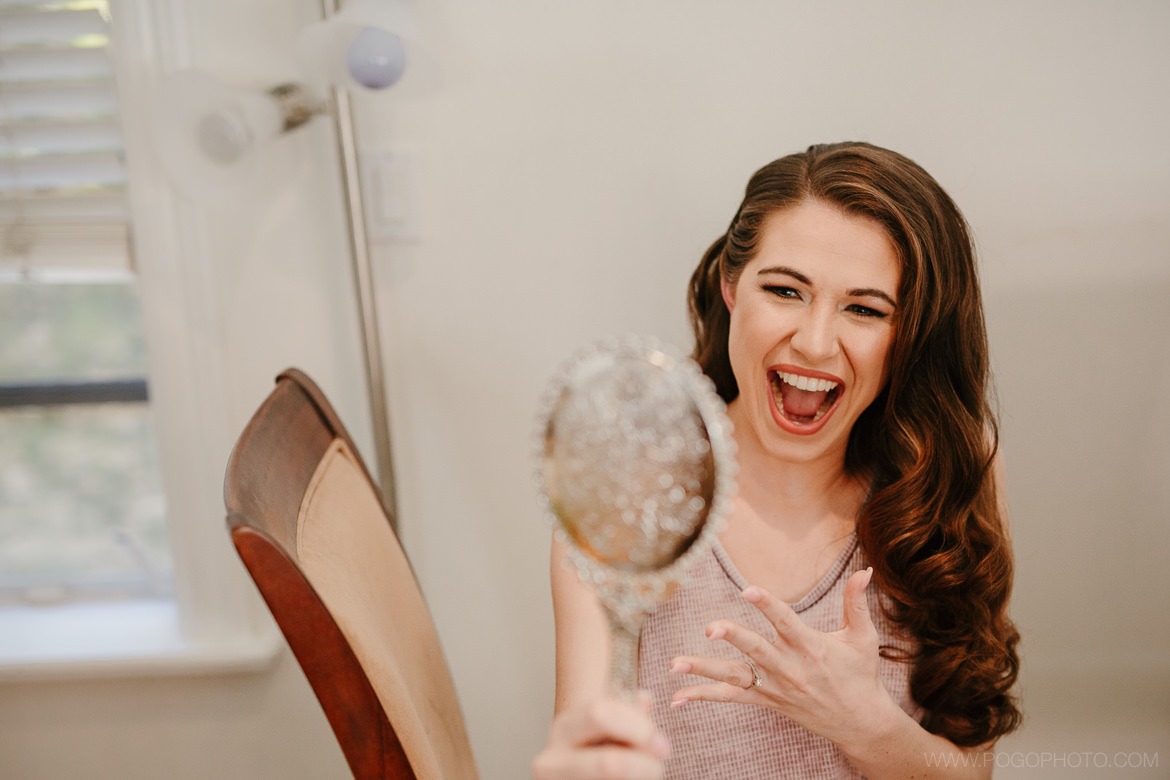
Wedding hair and makeup costs depend on the number of services, bridal party size, location, artist experience, travel, and package inclusions. The best way to compare prices is to look at the complete service cost rather than the starting price alone.
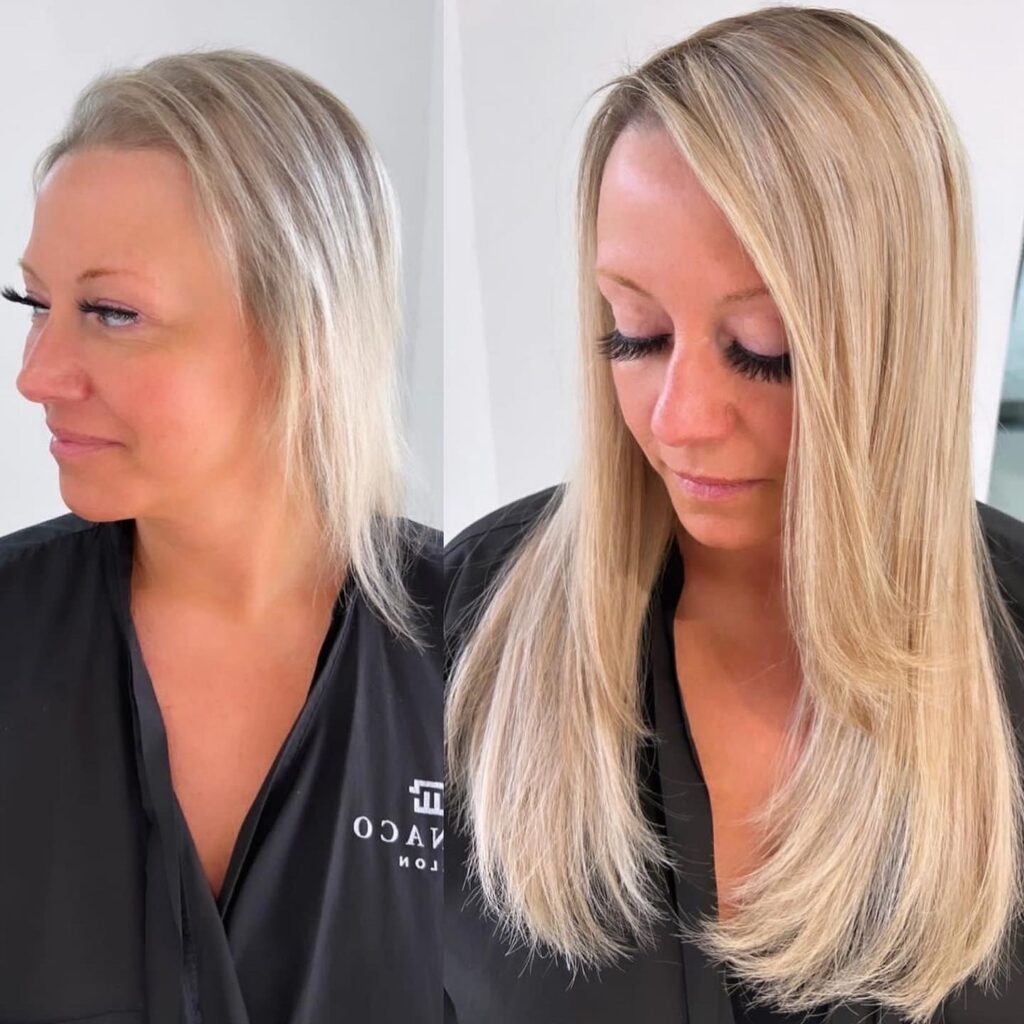
Wedding hair extensions can have two separate fees, the hair itself and the application. Good quality Clip-in extensions start around $350 and suit a single wedding day, tape-ins run $600 to $1,200 installed, and hand-tied wefts reach $600 to $2,500.
On top of the hair, a bridal artist’s application fee typically adds $50 to $200 to your wedding-day hair service.
That two-part structure is the secret most price guides miss. Once you understand it, you can decide whether to buy extensions, rent them, or simply pay to have them applied, and you will know exactly what your length and volume are really costing you.
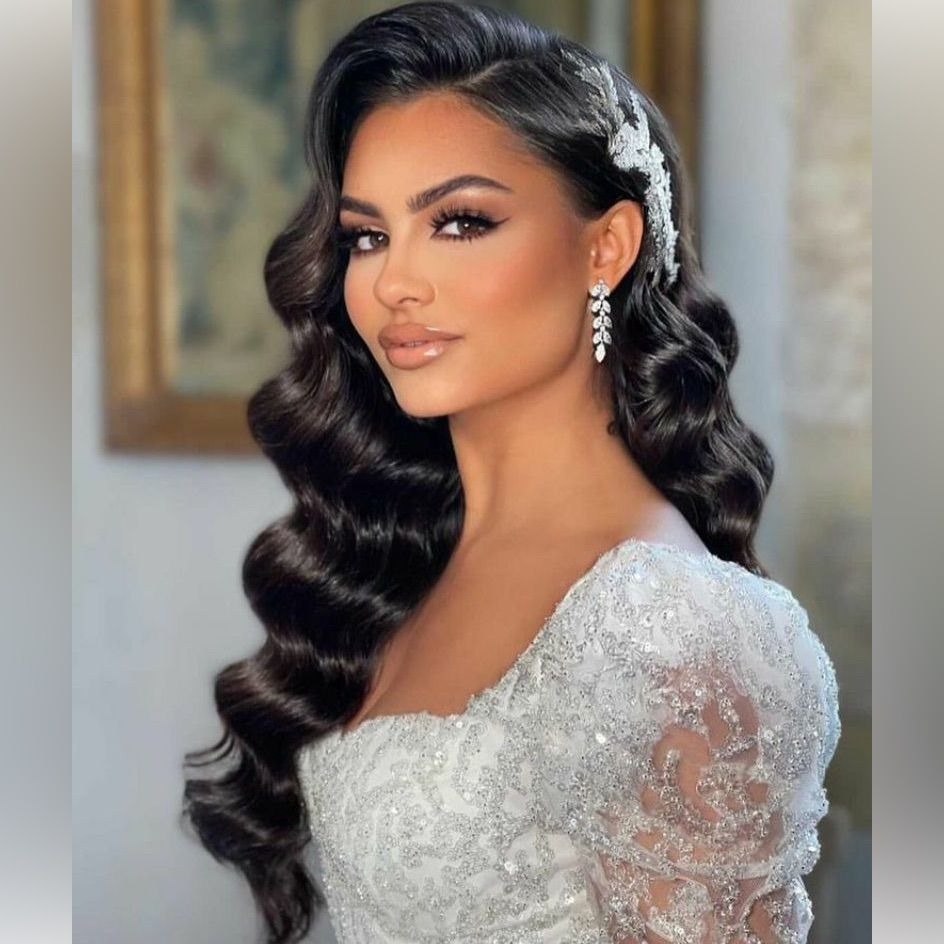
The Two Parts of Every Extension Cost
Before the numbers, understand the structure. Every extension cost has two pieces, and confusing them is where brides overspend.
The Hair Itself
The first part is the extensions themselves, the physical hair. This is what the price guides and retailers quote, and it varies enormously by type and quality.
It is the product cost, separate from anyone’s time.
The Application (the Part Brides Forget)
The second part is the application, the skilled work of placing and blending the extensions into your own hair so they vanish seamlessly.
This is a service, performed by your bridal artist, and it is almost always billed separately from the hair. It is also the part that decides whether your extensions look flawless in photos or obvious. It is worth every dollar. Extensions that are just applied without trimming or blending make the difference between noticeable extensions and a natural look.
Wedding Hair Extension Prices by Type
Extensions come in three main types for weddings, and each sits at a different price point. Here is the breakdown framed for a wedding, not a lifestyle.
Clip-In Extensions (Best for the Wedding Day)
Clip-ins are the most budget-friendly and, for most brides, the smartest choice for a single day. They start around $300, with synthetic pieces at $30 to $100 and quality remy human hair at $300 to $600.
They add length and volume instantly, apply quickly, and come out easily at the end of the night. Because they require no long-term commitment, they are ideal for a one-time event like your wedding. They can be used many times over for years to come with proper care.
Tape-In Extensions (Semi-Permanent, Multi-Event)
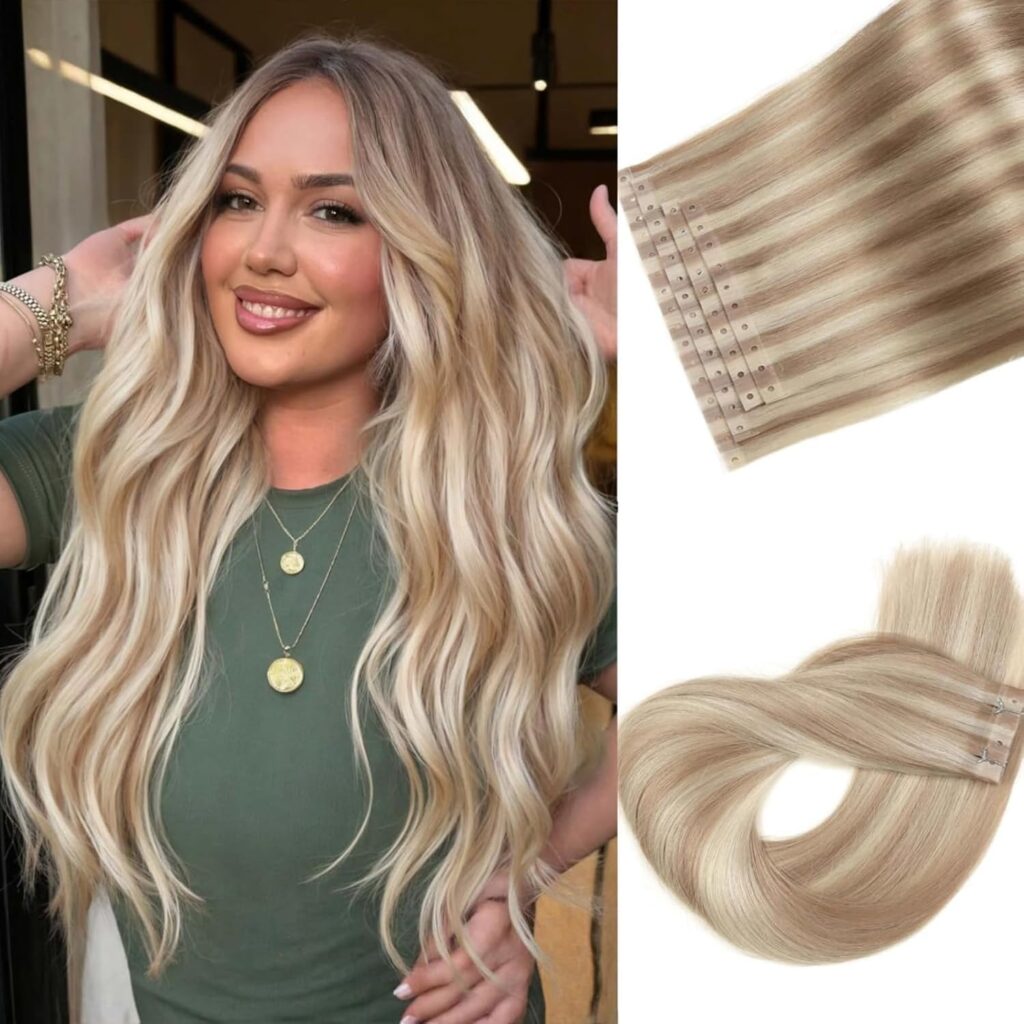
Tape-ins are a semi-permanent option worn for weeks or months. The hair costs $600 to $1,200, with professional installation adding $100 to $300, for an all-in cost of $800 to $1,500.
They also require salon maintenance every six to eight weeks at $150 to $300 each visit. Tape-ins make sense only if you want extensions for multiple pre-wedding events or to keep wearing well after the wedding.
Hand-Tied Wefts (Most Natural, Highest Cost)
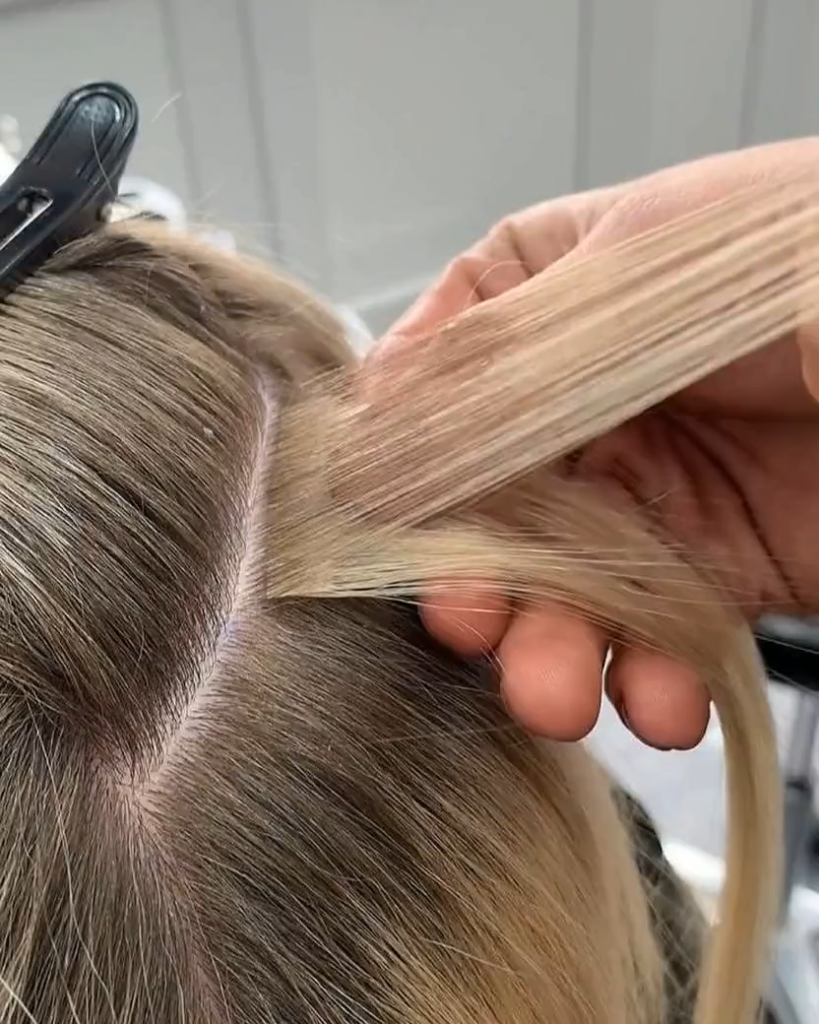
Hand-tied wefts deliver the most natural, seamless, and longest-lasting result, and they carry the highest cost. They run $600 to $1,200 with an initial professional appointment and they can last up to a year. They need to be removed and reapplied every two to three months.
For a bride who wants a lasting transformation beyond the wedding, wefts are the luxury choice. For the wedding day alone, they are usually more than the moment requires.
The Bridal Application Fee
This is the line most brides overlook, and it is the one most relevant to booking your artist. Let us make it clear.
What It Covers and Why It’s Separate – Clip-in Extensions
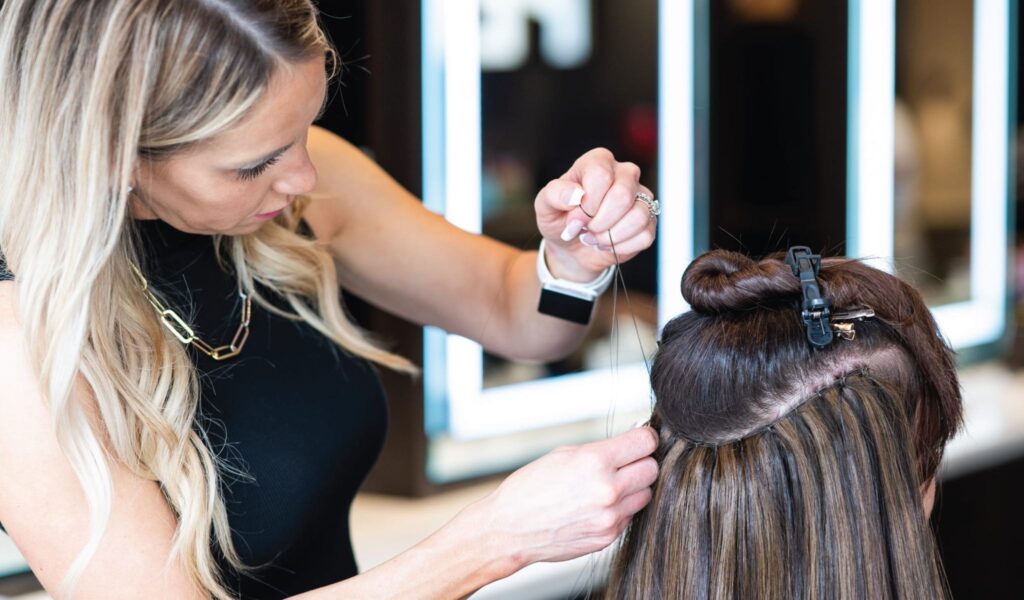
A bridal artist typically charges anywhere from $175 to $600 for purchasing your extensions for you and $50 to $200 to place and blend your clip-in extensions, added to your wedding-day hair service.
That fee pays for the skill of integrating extensions so they look completely natural, matched to your color, blended into your styling, and secured to last all day and all night. It is separate from the hair because it is a service, not a product.
When the Bride Supplies Her Own Extensions
Many brides already own clip-ins, or purchase them ahead of time, and simply bring them to the chair. In that case, you pay only the application fee, not the cost of new hair.
This is often the most economical path for a single wedding day. Your artist places what you already have, and your only added cost is the skilled application, styling and blending.
Buy Them or Just Have Them Applied?
Here is the decision that shapes your whole extension budget. It comes down to one question, is this for the wedding day, or for your life beyond it.
One-Day Wedding Use
If you want extensions purely for the wedding, clip-ins are almost always the answer. Buy or rent a quality set, or use one you own, and pay only the application fee to have them blended in.
You get the length and volume you dreamed of, without a semi-permanent commitment, and you take them out at the end of the night. It is the simplest, most sensible choice for the day.
Extensions You’ll Keep Wearing
If you want extensions for engagement photos, a bridal shower, the honeymoon, and everyday life afterward, a semi-permanent option earns its higher cost.
Tape-ins or hand-tied wefts give you weeks or months of seamless length, so the wedding becomes one beautiful moment in a longer stretch of wear. The investment makes sense because you are not buying a day, you are buying a season.
How Much Hair Do You Actually Need?
The amount of hair you need shapes your cost as much as the type does. Not every bride needs a full head of extensions.
For Length Alone
If your hair is already full but you want more length, you may need only a modest amount of hair. A few wefts or a single clip-in set can add inches without a large investment.
This is the most economical goal, and for many brides it is all their dream style requires.
For Volume and Fullness
If you want dramatic volume, a fuller updo, or thickness for an intricate style, you will need more hair, which raises the product cost.
Thicker or longer natural hair also needs more extensions to blend seamlessly. Your artist can tell you at a consultation roughly how much your specific look will take, so you are never guessing.
For Fine or Thin Hair
Fine hair calls for a gentle, expert touch. The right lightweight extensions add beautiful fullness, but they must be placed carefully so they hold without stressing delicate hair.
This is precisely where a skilled bridal artist earns the application fee, choosing and securing the right amount for your hair type.
Buying, or Bringing Your Own
There is more than one way to get your extensions into the chair, and each has a different cost.
Buying a quality clip-in set means you own it, can reuse it, and pay once for the hair plus the application.
Many brides already own clip-ins and simply bring them along, paying only the application fee. Ask your artist which options they support, because it can meaningfully change your total.
Maintenance Costs (Only If You Keep Them)
Maintenance only matters if you choose a semi-permanent type. Clip-ins have none, because they come out each night.
Tape-ins and wefts, worn over time, need salon visits every six to eight weeks at $150 to $300 each. Factor this in only if you plan to keep your extensions well beyond the wedding, and skip it entirely if clip-ins are your choice.
Choosing Extensions That Hold in South Florida Humidity
A wedding in Palm Beach or on the coast brings warmth, humidity, and often a sea breeze. Your extensions have to hold through all of it.
Humidity can loosen a poorly placed extension, which is exactly why professional application matters here. An experienced bridal artist chooses the right type and secures it for the climate, so your length and volume stay flawless.
The right hands make the difference between extensions that last from your first photo to your final dance, and ones that slip halfway through the reception. In Florida, expertise is not optional.
What’s Worth It for a Wedding (and What Isn’t)
Let us be honest about value, because a wedding is a single day, however cherished.
For most brides, quality clip-ins plus a professional application are entirely worth it. They deliver the full effect, length, volume, and photograph-ready beauty, for the smallest sensible investment.
Semi-permanent wefts and tape-ins are worth it only if you want them beyond the wedding. Buying a year of extensions for one day is lovely, but it is more than the moment asks. Invest in the application, and match the hair to how long you actually want to wear it.
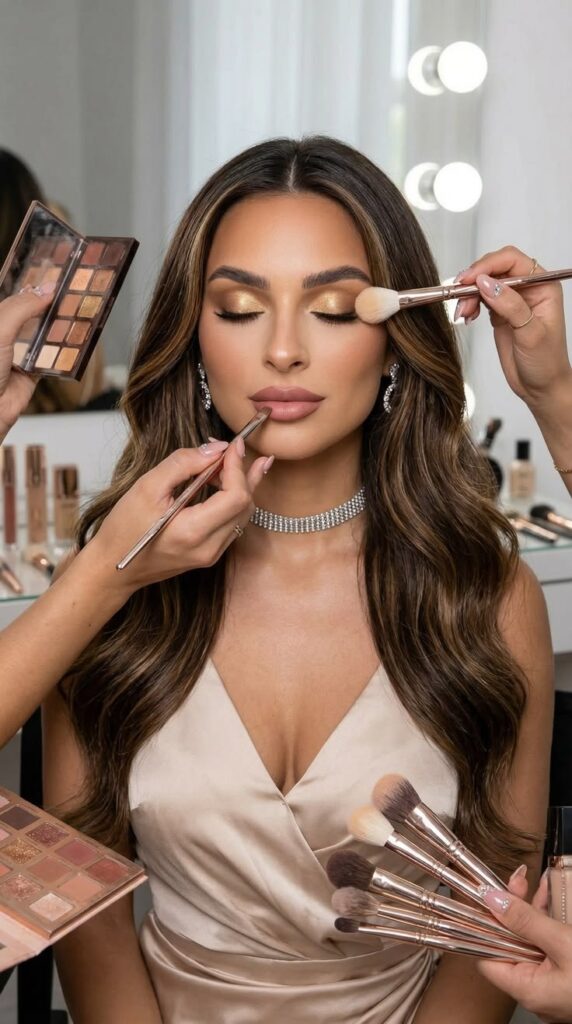
When to Book Your Extensions
Timing matters, especially for color matching and blending. If you are buying extensions, order them early enough to confirm the color is right in daylight.
Bring your extensions to your trial, roughly 8 to 12 weeks before the wedding, so your artist can test the blend and styling in advance. That way, nothing about your length or volume is a surprise on the wedding morning.
Booking early also secures your artist’s time, so the skilled application you are counting on is reserved alongside your hair and makeup.
Matching Color and Texture
The most beautiful extensions are the ones no one can see. That invisibility depends entirely on matching your color and texture.
Human remy hair matches best because it can be toned, styled, and treated like your own. Synthetic hair costs less but is harder to blend and cannot take heat styling the same way, which is why they’re not ideal for wedding day hairstyles.
Ask your artist to help you select and match extensions before the wedding, ideally at your trial. A precise match in daylight is what turns added hair into hair that simply looks like yours, only fuller.
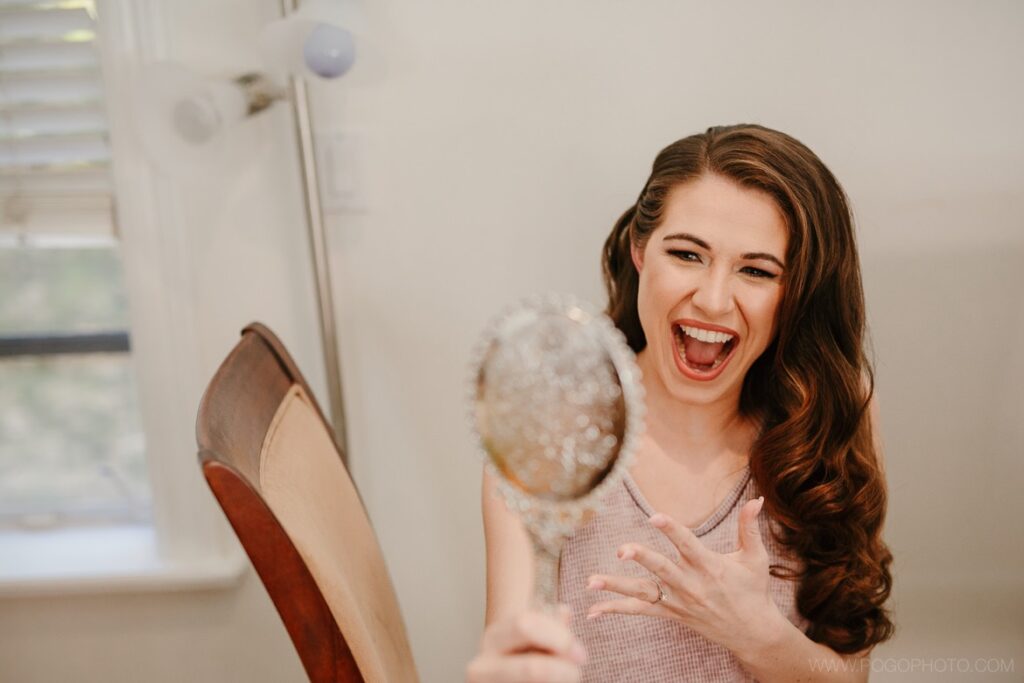
Caring for Extensions on the Wedding Day
Once your extensions are in, a little care keeps them flawless from ceremony to reception. Clip-ins are wonderfully low-maintenance, holding securely through dancing when they are placed well.
If a piece ever needs adjusting, this is another reason all-day artist presence is so valuable. A quick, discreet fix keeps everything seamless, and no guest is ever the wiser.
At the end of the night, clip-ins come out in moments, and your natural hair is exactly as it was. That gentleness is part of what makes them so well suited to a single, unforgettable day.
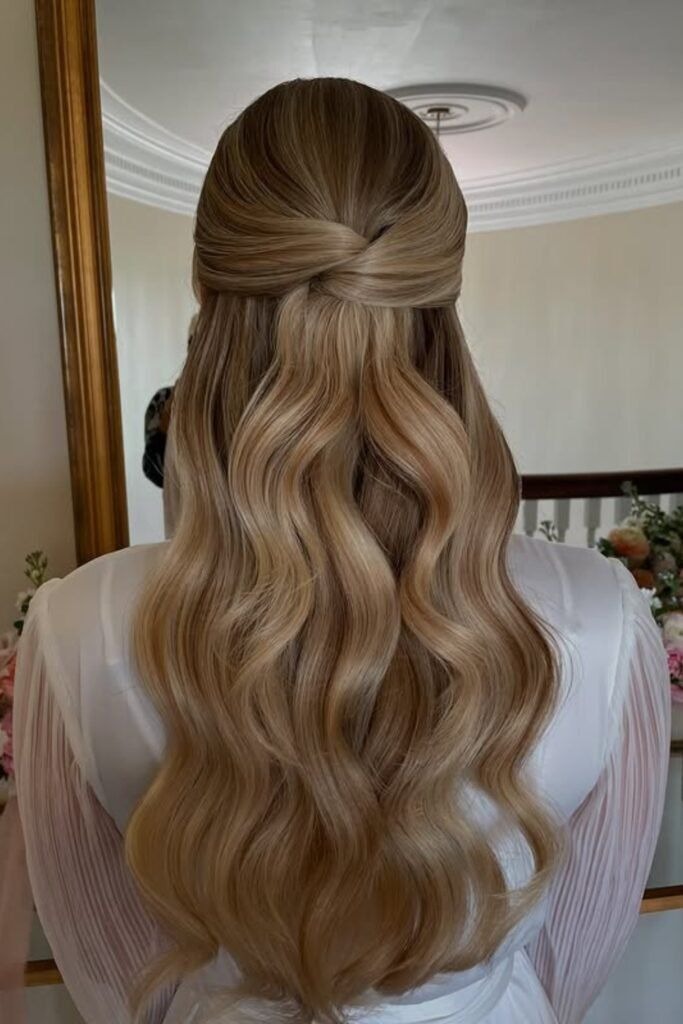
If you’re looking for good quality clip-in hair extensions look here. I’ve hand picked a few brands I’ve used in the past. Although I recommend premium quality extensions from your stylist, these can do in a pinch.
Frequently Asked Questions
How much do hair extensions cost for a wedding?
It depends on the type and whether you count the application. Clip-ins start around $300 tape-ins run $600 to $1,500 installed, and hand-tied wefts reach $600 to $2,500. On top of the hair, a bridal artist’s application fee typically adds $50 to $200 to your wedding-day service.
Do I need to buy extensions, or just pay to have them applied?
For a single wedding day, many brides use clip-ins they own or rent, and simply pay the application fee. If you want extensions for multiple pre-wedding events or to keep wearing afterward, a semi-permanent type like tape-ins or wefts makes more sense despite the higher cost.
What’s the best type of extension for the wedding day?
Clip-ins are usually ideal for the wedding day. They add length and volume, apply quickly, require no long-term commitment, and come off easily at the end of the night. Tape-ins and wefts are better only if you want extensions beyond the wedding itself.
How much is the application fee for bridal extensions?
A bridal artist typically charges $50 to $200 to place and blend extensions, added to your wedding-day hair service. The fee reflects the skill of seamlessly integrating the extensions with your own hair so they look completely natural in photos.
Will extensions hold up in Florida humidity?
With the right type and a skilled application, yes. Humidity can loosen poorly placed extensions, so an experienced bridal artist chooses and secures the right style for the climate, keeping your length and volume flawless from your first photo to your last dance.
Do wedding extensions damage your hair?
Clip-ins, applied and removed for the day, are gentle and carry virtually no risk. Semi-permanent types are safe when applied and removed by a professional, but improper installation or removal can stress the hair, which is why professional application matters.
Can I use extensions I already own for my wedding?
Absolutely. Many brides bring clip-ins they already own and pay only the application fee to have them blended and secured. Bring them to your trial so your artist can confirm the color match and test the styling before the wedding day.
How much should I budget for wedding extensions in total?
For a single wedding day, most brides using quality clip-ins invest between $150 and $500 all in, covering both the hair and the professional application. Semi-permanent options like tape-ins or hand-tied wefts cost more and only make sense if you want to keep wearing them.
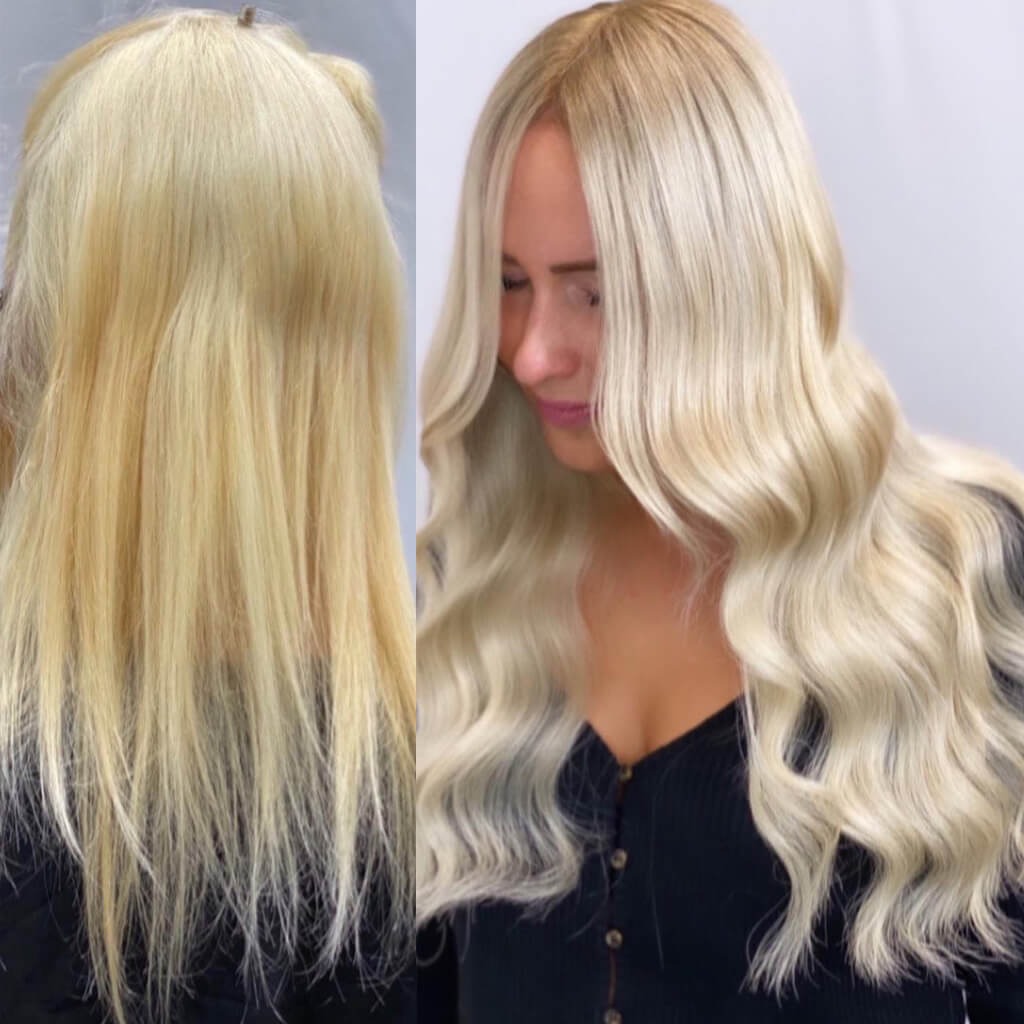
Do You Even Need Extensions?
Before spending anything, it is worth asking honestly whether your look truly needs extensions. Not every bridal style does.
If your hair is already long and full, and your chosen style suits your natural length, you may need nothing at all. A skilled artist can create remarkable volume and shape from your own hair alone.
Extensions earn their cost when you want noticeably more length, dramatic fullness, or a style your natural hair cannot quite hold. A trial is the perfect moment to find out, letting your artist show you what is possible before you invest a single dollar in hair.
Add Length and Volume to Your Bridal Look
Extensions can transform a bridal hairstyle, adding the length, volume, and movement that make a look truly unforgettable. The key is choosing the right type for your day and placing it in expert hands.
When you are ready, we would love to help you decide what suits your hair, your style, and your venue, and to blend it so seamlessly that no one will ever know.
Add length to your bridal look with the Phairis Luxury team, and let your hair be everything you imagined.
To be iconic?
Ready
I'm excited to hear all about your wedding/Event day. Have a question about a booking and hair styling sessions? View our services and talk to us, also dont forget to check our portfolio
