
Bridal Hair Extensions: The Complete Guide to Types, Costs & What to Expect

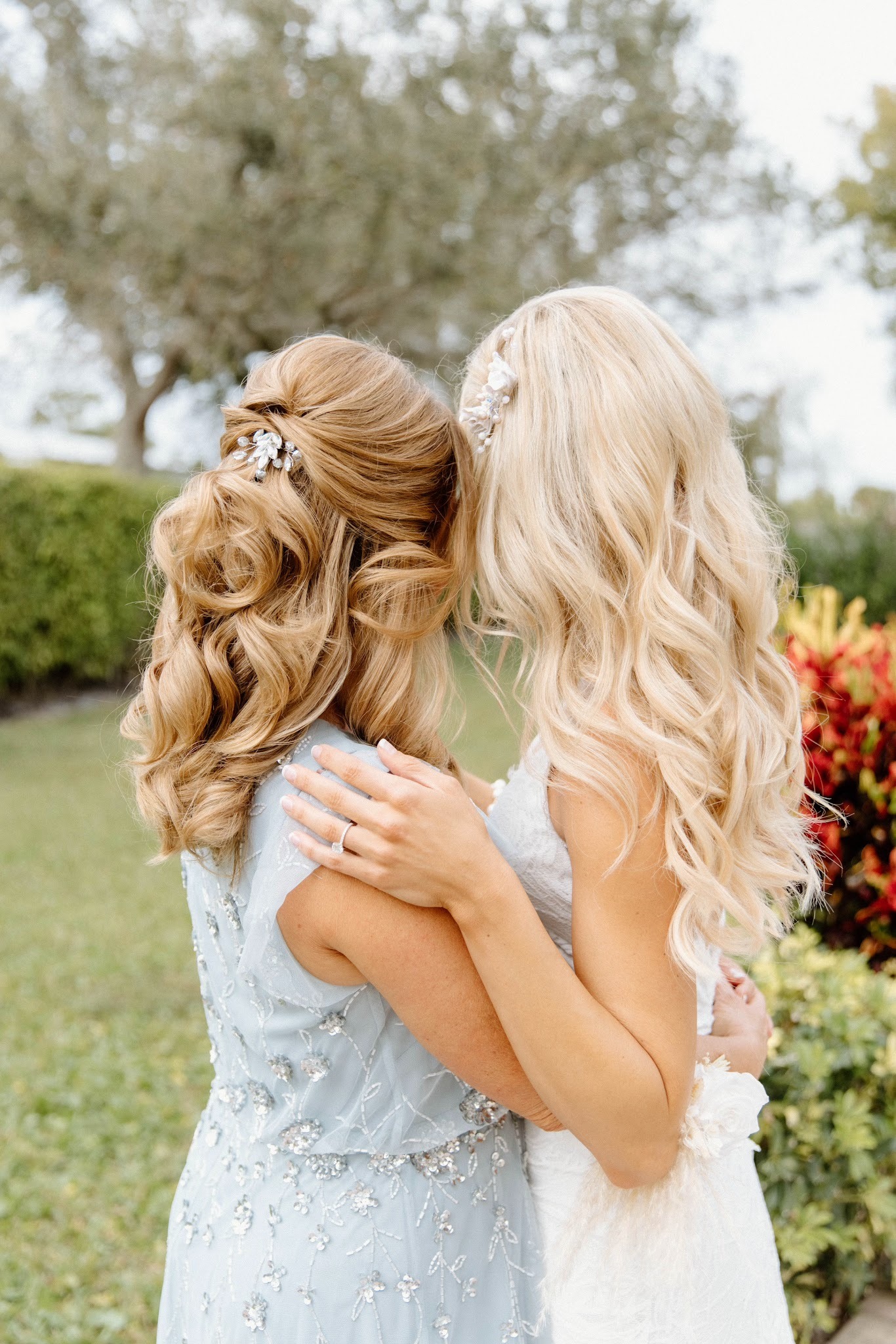
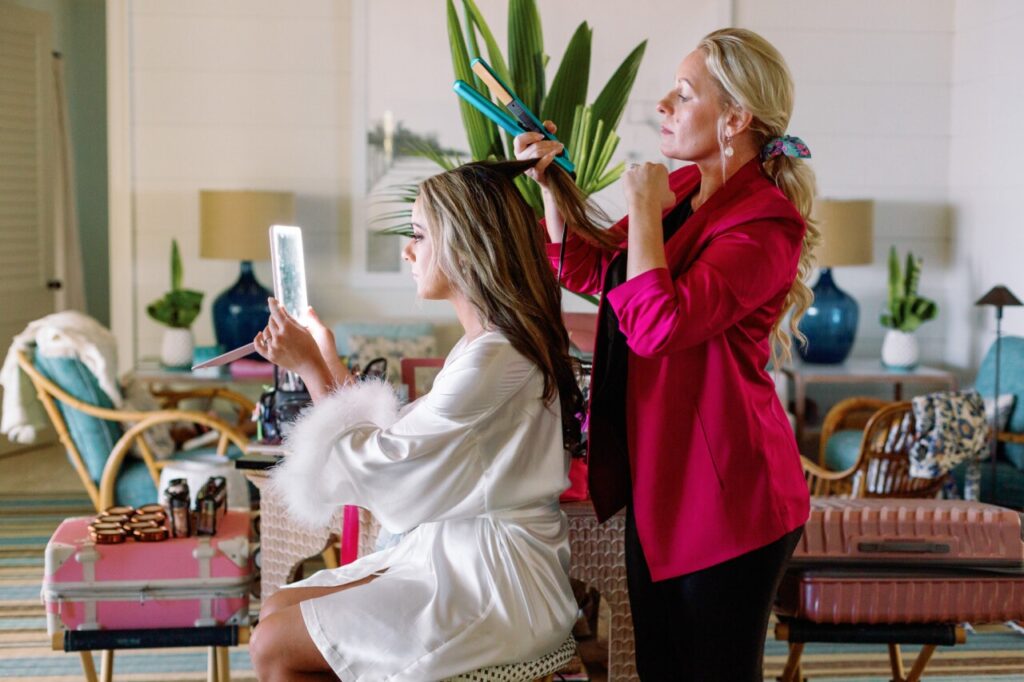
Hair extensions come up in bridal hair conversations more often than most brides expect. Master Bridal Hairstylist, Rebecca Mousseau says that about 90% of her brides wear hair extensions and you’d never know it because they match so well. It’s not just a topic for brides with short hair or thin hair. It comes up for brides whose desired style needs more volume than their natural hair can reliably produce, for brides planning bridal party looks that need visual consistency across members with different lengths, and for brides who have a style vision that their natural hair simply isn’t going to support on its own.
The good news is that today’s bridal extension options are genuinely diverse. Different types solve different problems, suit different timelines, and fit different budgets. Understanding what each type actually is and what it can and can’t do makes the conversation with your stylist far more productive than arriving with a vague interest in “maybe extensions?”
This guide covers the full landscape: how each type works, what it costs, who genuinely benefits from extensions, and what to expect throughout the process.
What Bridal Hair Extensions Actually Are
Hair extensions add length, volume, or both to the natural hair by attaching additional hair, either real human hair or synthetic, to the existing strands. (We always recommend using 100% human hair extensions over synthetic). For bridal use, extensions are almost always Remy human hair, which means the cuticle of the hair runs in one consistent direction. This gives the hair a natural appearance, reduces tangling, and allows it to be heat-styled the same way natural hair can be.
Extensions vs. Hair Pieces: The Terminology
“Extensions” and “hair pieces” are sometimes used interchangeably, but they refer to slightly different things. Hair pieces, like a detachable bun, braid, or clip-on ponytail, are finished styles attached as a unit. Extensions are individual wefts or strands that integrate into the natural hair and become part of the full styling process. Most of what a bridal stylist uses for volume and length integration is extensions, not pre-made pieces.
How Extensions Are Different for Weddings vs. Everyday Use
Bridal extensions need to hold through a long day of significant activity: a full outdoor ceremony, hours of dancing, humidity, and contact. The extension type, the hair quality, and the application method all need to be appropriate for these demands, not just for a few hours in controlled conditions. A stylist experienced in bridal work chooses and applies extensions with the specific demands of a wedding day in mind.
Why Extensions Are More Common in Bridal Styling Than Most Brides Realize
Ask any bridal stylist and they’ll tell you: a significant percentage of the bridal updos that appear “naturally” full and long in photography have some form of extension integrated. The goal is always a result that looks and photographs as the bride’s own hair. Extensions done well are invisible. It’s only when they’re not done well that anyone notices.
The Main Types of Bridal Hair Extensions
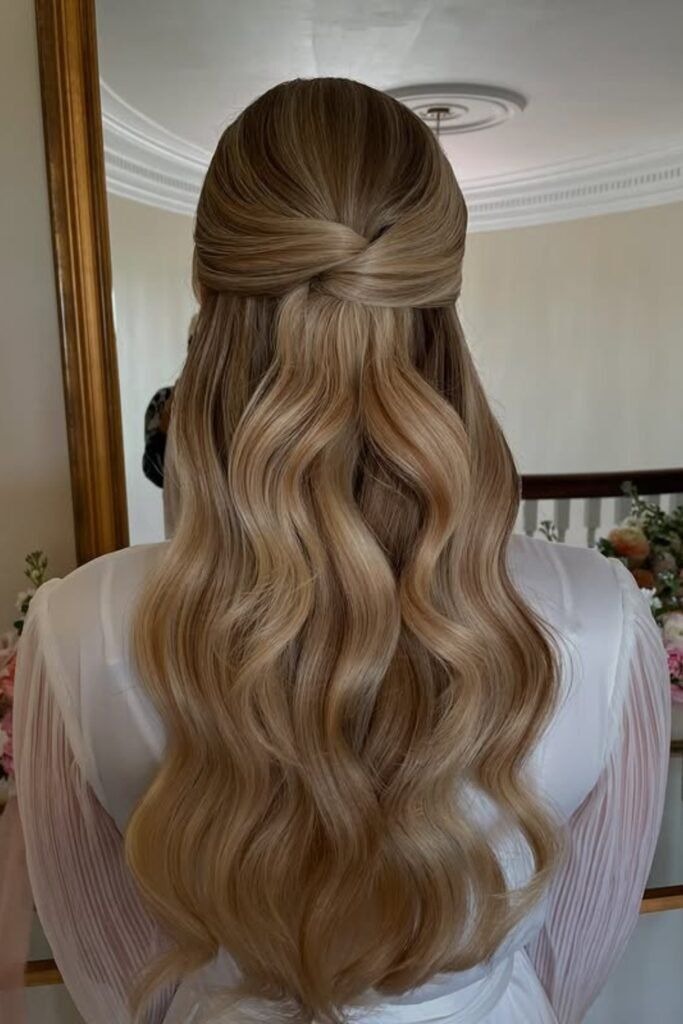
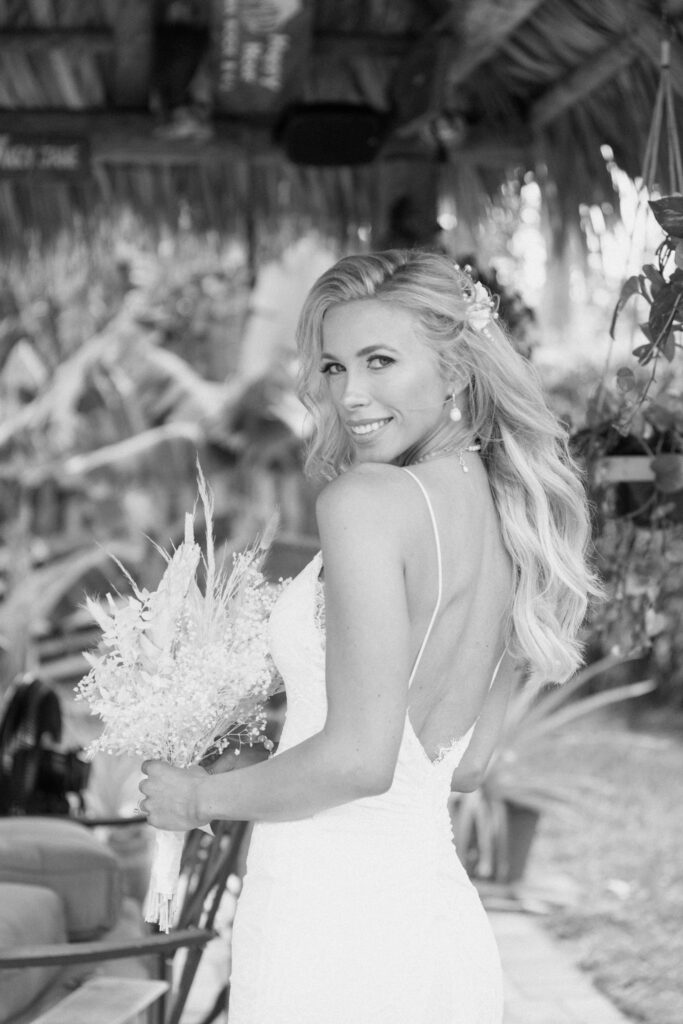
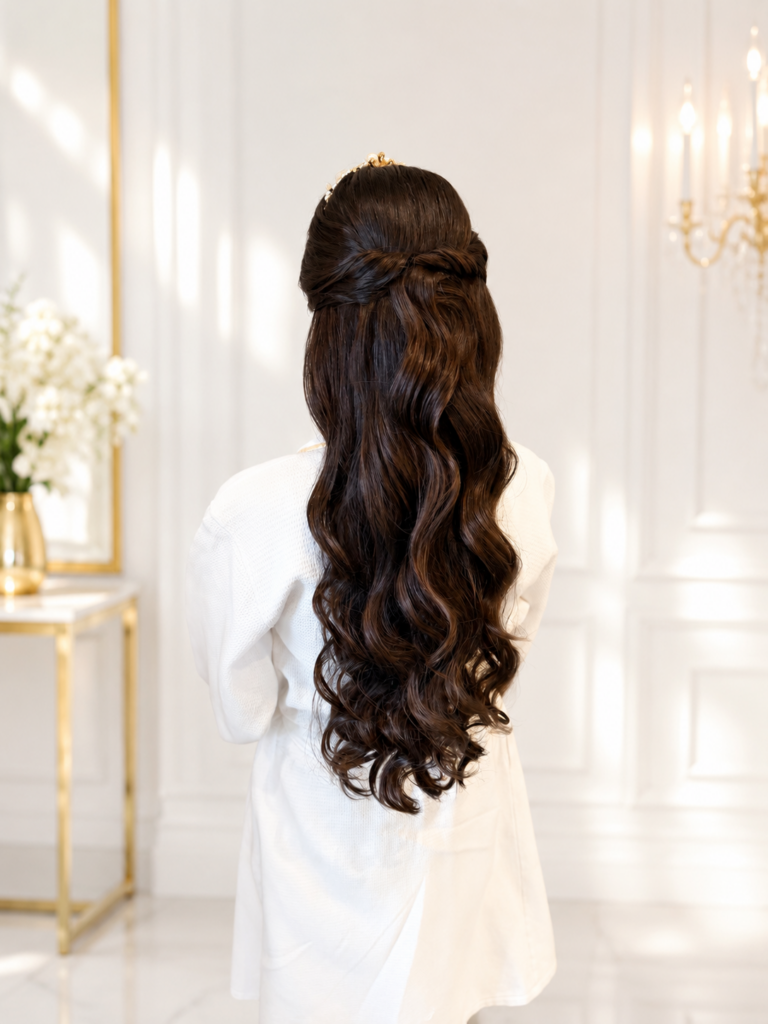
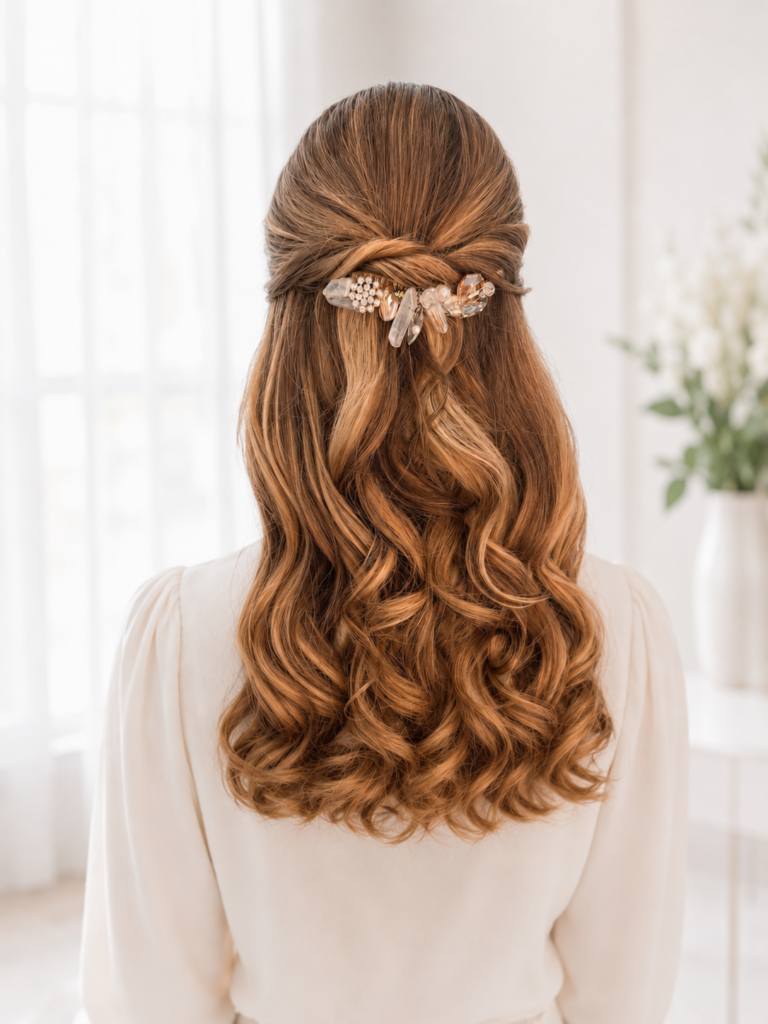
The most common extension types used in bridal styling are clip-in, tape-in, hand-tied weft, keratin bond (fusion), and halo. Each has different properties, different application requirements, and different ideal use cases.
Clip-In Extensions: The Perfect Flexible Wedding Day Option
Clip-in extensions are wefts of hair attached to small pressure clips. The stylist parts the natural hair, teases your natural hair, to hold the clip opens the clips, presses them closed over the parting, and the weft snaps into place. For a professional bridal application, the stylist places multiple wefts at strategic points around the head so the clips and wefts are completely hidden within the style.
Clip-ins require no advance appointment for the extensions themselves. The hair is sourced and color-matched before the wedding, but the application happens the morning of as part of the styling process. Removal is simple: open the clips, remove the wefts. No remover, no appointment, no commitment.
For brides who want maximum flexibility, no bonding, and event-only extension wear, clip-ins are usually the right starting point for the conversation. These have more commitment, increased drying and styling time and cost significantly more than clip-ins. They’re great if you want full, long hair for your entire wedding weekend festivities.
Tape-In Extensions: Semi-Permanent and Natural-Looking
Tape-in extensions use thin wefts of hair sandwiched around a row of natural hair using medical-grade adhesive. The result lies flat against the scalp and moves with the natural hair in a way that many other extension methods can’t replicate as naturally.
Tape-ins are applied by a certified tape-in specialist 2 to 4 weeks before the wedding. They last 4 to 8 weeks before the tape adhesive needs to be refreshed (called re-taping), and they require specific product care: sulfate-free shampoo, no oil-based products near the bond area, no conditioner applied directly to the tape rows.
For brides who want a pre-applied result that’s integrated before the morning of the wedding, tape-ins are one of the most popular choices. They work best for fine to medium hair and produce a seamless blend in photography. They do however give you long, full, beautiful hair for the weeks leading up to your wedding, the wedding weekend and the honeymoon.
Hand-Tied / Weft Extensions: The Luxury Option for All Hair Types
Hand-tied weft extensions use a beaded row technique: a row of micro-rings or beads is applied to the natural hair, and a hand-sewn weft is attached to that row without adhesive, heat, or chemicals. The result is the flattest, most natural-moving extension method available.
Because there’s no adhesive and no heat bonding, hand-tied extensions are the lowest-stress method for the natural hair. They’re applied by a specialist certified in the specific beaded row method, take 2 to 4 hours for a full application, and last 8 to 12 weeks before the row needs adjustment as the natural hair grows.
Hand-tied wefts are the premium bridal extension option. They suit fine hair, thick hair, and textured hair better than most other methods. They’re also the most time-intensive and the most costly.
Keratin Bond (Fusion) Extensions: Maximum Length and Volume
Keratin bond extensions, also called fusion extensions, use a keratin protein adhesive melted with a heat tool to bond individual extension strands to individual natural hair strands. The result is the most individually integrated extension method, with the extension hair moving completely freely alongside the natural hair.
Keratin bonds last 3 to 6 months and require professional removal with a bond-removing solution and tool. They’re the longest commitment of any extension type and the most significant investment in both time and cost.
For brides who want extensions that last well beyond the wedding and are open to the longest-term commitment, keratin bond is the option worth discussing. For brides who want extensions specifically for the wedding day, the three-month commitment makes it a bigger decision than most bridal applications require.
Halo Extensions: No Clips, No Adhesive
A halo extension is a single weft of hair on a thin wire or monofilament, placed at the top of the head with the wire sitting in a “halo” position. The natural hair is pulled over it to conceal the wire. There are no clips, no adhesive, and no attachment to the natural hair beyond the weight and position.
Halos are a gentle option on the natural hair and the fastest to apply and remove. However you have to be careful with this type of extension…nothing is holding it in the hair so if your groom dips you surprisingly on the dance floor, you may see your halo come right off. I don’t recommend a halo extenion for any type of bridal hairstyling.
Which Type Is Most Common for Bridal Use
Across most luxury bridal stylists, clip-ins and hand-tied are the most common choices for wedding day extensions. Clip-ins for the flexibility, hand-tied for the seamless integration. Hand-tied wefts are increasingly popular as brides become more aware of them and as more stylists are certified in the method. Keratin bonds and halos are used for specific situations rather than as the first recommendation.
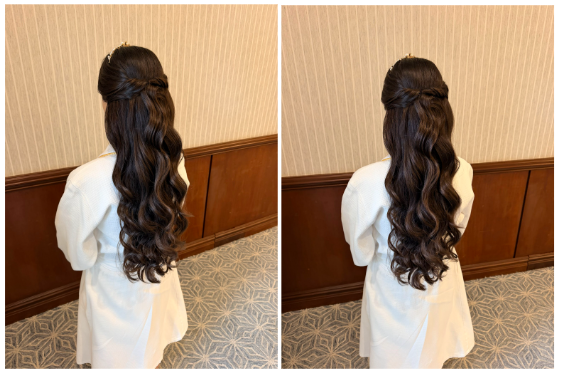
How Much Do Bridal Hair Extensions Cost?
Cost for bridal extensions involves two components: the hair itself and the installation (when applicable). These are separate expenses, and understanding both gives a clearer picture of the total investment.
Clip-In Cost Range
Quality Remy human hair clip-in sets for bridal use typically range from $175-$650 for the hair itself. Your stylist may supply the extensions as part of their service, or they may guide you to purchase specific extensions they know and recommend. The application is generally included in the styling service fee.
The range is wide because the quality difference between a $100 set and a $300 set is meaningful: higher-quality sets have a more consistent color, better cuticle alignment, and last longer through repeated use.
They also look polished and beautiful with the same thickness from root to ends. Cheaper hair extensions look frizzy and have very sparse ends which makes the hairstyle look stringy rather than full and gorgeous. The range in price also reflects the length and weight of the hair extensions.
Tape-In Cost Range
Tape-in extensions involve the hair cost plus the installation appointment. Hair for a tape-in bridal set typically costs $200 to $800 depending on the volume and length needed. Installation by a certified tape-in specialist runs an additional $150 to $400 in most markets. Total investment: $350 to $1,200 or more for a full set.
Re-tape maintenance (needed every 6 to 8 weeks) costs $100 to $300 per appointment.
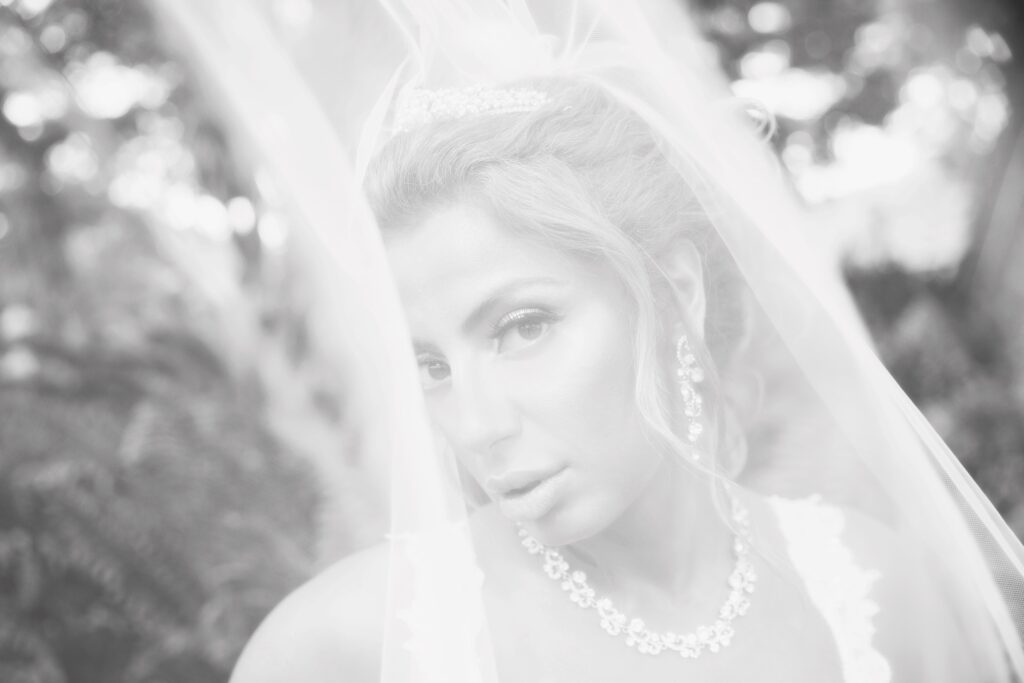
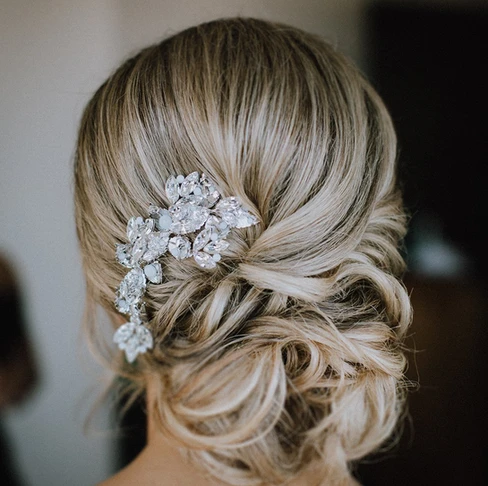
Hand-Tied / Weft Cost Range
Hand-tied weft extensions are the premium tier. A partial set (half head) starts around $600 to $800 including hair and installation. A full set typically runs $1,200 to $2,500 or more depending on the volume needed and the specialist’s pricing.
Row adjustment maintenance (every 8 to 12 weeks) is typically $150 to $300.
Keratin Bond Cost Range
Keratin bond extensions range from $600 for a partial application to $2,500 or more for a full-volume application. The cost reflects the time-intensive process: a full keratin bond application can take 4 to 6 hours.
Removal, when the time comes, is an additional appointment costing $150 to $300.
Why the Hair Quality Matters as Much as the Application Method
The quality of the extension hair is as important as how it’s applied. Remy human hair, with cuticles running in one consistent direction, is the standard for professional bridal use. It blends more naturally, holds color better, and doesn’t tangle or matte the way non-Remy or synthetic alternatives do. The difference is visible in photography, particularly in movement shots.
Do You Actually Need Hair Extensions?
This is the most useful question to resolve before going further, and the answer is more nuanced than “fine hair needs extensions.”
Who Benefits Most: Fine Hair, Short Hair, Thin Hair
Brides with fine hair who want updos with visual fullness benefit significantly from extensions because fine hair’s natural volume doesn’t support the same structural density that medium or thick hair does. Without extensions, a fine-hair updo can look thin or flat in certain areas that photographs can pick up.
Brides with shorter hair whose desired style requires length they don’t yet have are clear candidates. A bride who wants a cascading half-down look or a long braided updo and has hair at her shoulders needs the length that only extensions provide.
Brides with thinning hair, whether from stress, postpartum changes, or other factors, often benefit from the confidence that comes with extensions that fill in the areas where thickness has decreased.
Brides Who Typically Don’t Need Extensions
Brides with medium to thick hair who have enough length for their desired style typically don’t need extensions, and adding them can actually make the morning more complicated without a significant visual benefit. The weight of additional wefts on already-thick hair can make an updo heavier and harder to pin securely.
Brides with short pixie or bob cuts sometimes think they need extensions for any formal look, but a skilled stylist can create beautiful bridal styles from shorter hair that read as intentional and elegant rather than limited. The conversation with your stylist should determine whether extensions add genuine value to your specific situation.
Extensions for Bridal Party Members
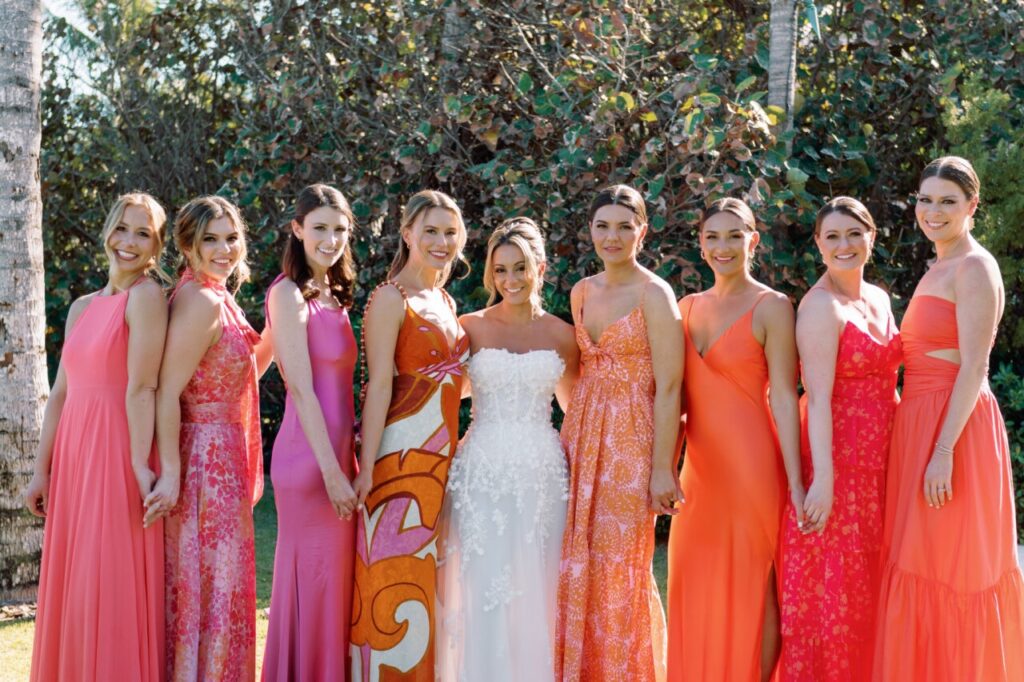
Extensions for bridesmaids are a practical option when the party includes members with very different hair lengths and the desired look requires some consistency. They’re also useful when one or two bridesmaids simply want more volume for their style. The decision works best when it’s offered as an option rather than presented as a requirement.
When an Artist Recommends Against Extensions (and Why)
An experienced stylist will sometimes recommend against extensions even when a bride is interested in them. This happens when: the hair is too damaged to safely hold a bond method; the natural hair is already thick enough that extensions would create more volume than is flattering; the desired style would be achieved equally well without them; or the timeline is too short to source and color-match the extensions properly.
A recommendation against extensions from an experienced stylist is worth listening to. It’s not a limitation, it’s a service.
The Extension Consultation: What Your Stylist Assesses
Before any extensions are sourced or applied, a consultation with your stylist establishes what’s actually needed and what the best approach is.
Length and Density Assessment
Your stylist assesses your current length, density, and the specific style you’re planning to understand exactly what the extensions need to provide. Is it volume? Length? Both? In which specific areas? This determines how many wefts or strands are needed and where they’ll be placed.
Color Matching: The Most Important Step
Color matching is the single most important technical variable in extension success. Hair is multitonal, and a match that looks right in one light often reads differently in another, especially in natural outdoor light and in photography.
Professional color matching happens in person, with the actual extension hair being compared to the actual natural hair, ideally in natural light. The stylist typically recommends a blend of extension shades rather than a single matching tone, because natural hair itself is multitonal.
This is why purchasing extensions independently from a photo-based online match almost never produces the seamlessly natural result you’re looking for. The human eye in person is the right tool for this assessment.
Texture Compatibility
The extension hair’s texture needs to match the natural hair’s texture convincingly enough to blend. Very straight extensions in naturally wavy hair can create a visible difference at the transition point. A skilled stylist accounts for this by selecting extension hair that’s close to the natural texture, or by planning the styling in a way that addresses any difference.
What the Stylist Recommends and Why
After the consultation, your stylist will recommend a specific extension type, a specific approach (clip-in for the morning, or a pre-applied type placed before the wedding), and a sourcing plan for the hair. This recommendation should be accompanied by a clear explanation of why this approach serves your specific situation. If the recommendation isn’t explained, ask.
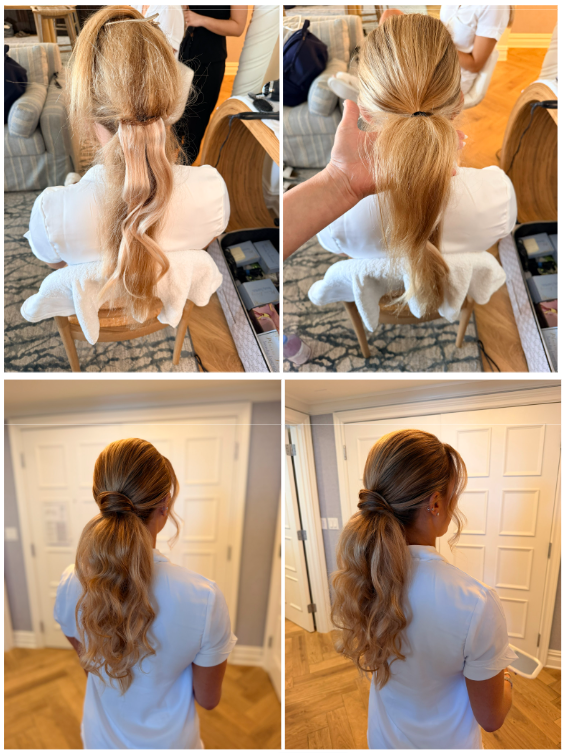
The Extension Trial: What It Is and Why It Matters
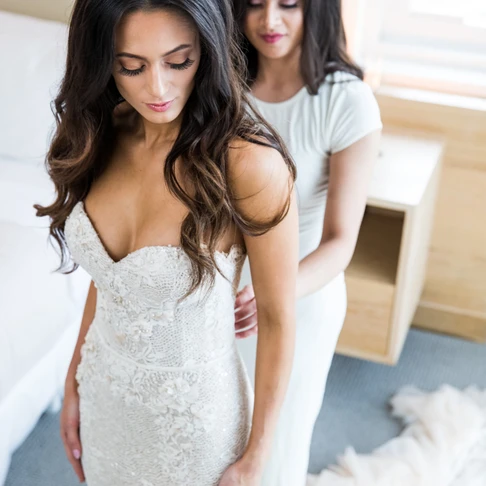
For pre-applied extension types (tape-in, hand-tied, keratin bond), the trial tests the integration and the styling. For clip-ins, the trial includes wearing the clip-ins for several hours.
Testing Placement and Blend
At the trial, the extensions are placed in the planned positions and the stylist assesses the blend: how naturally the extension hair transitions to the natural hair, whether there are any visible attachment points, and whether the color match is holding in different lighting.
Wearing the Extensions Through the Day
The trial look should be worn for the rest of the day, not just evaluated in the chair. Extension hair responds to wear differently than it does immediately after application: it settles, it moves, and in the case of clip-ins, the clips may shift slightly depending on the placement. The trial day is when these factors are assessed and corrected.
Photographing Both With and Without Extensions
Take photographs of the look with extensions in both indoor and outdoor lighting. If the style involves extensions that might be visible in certain positions (looking down, from behind in certain angles), photograph those positions specifically. See what the camera sees, not just what the mirror shows.
Adjusting After the Trial
After the trial, the stylist notes any adjustments needed: weft placement changes, additional density in specific areas, color correction if the match isn’t quite right. These are solved before the wedding day, not on it.
Extension Timing: When to Get Each Type
Clip-Ins: Applied the Morning of the Wedding
Clip-ins need no advance application appointment. The stylist sources and color-matches the extensions well before the wedding and applies them on the morning of as part of the styling process. The morning timeline should account for the additional 15 to 30 minutes the clip-in application adds.
Tape-In and Hand-Tied: 2–8 Weeks Before
Tape-ins are typically applied 2 to 4 weeks before the wedding. Hand-tied wefts are usually applied 4 to 8 weeks before. Both benefit from settling into the hair before the wedding day so that any minor irritation at the bond area has resolved and the hair has had time to grow slightly past the initial application point.
Keratin Bond: 4–8 Weeks Before
Keratin bonds are applied 4 to 8 weeks before the wedding. The initial application can cause some scalp sensitivity that resolves within the first week, and the bonds settle into their most natural-looking position over the first few weeks as the natural hair grows slightly.
The Maintenance Appointment Before the Wedding
For any pre-applied extension type, schedule a maintenance check 7 to 10 days before the wedding. This appointment confirms all bonds are secure, any slippage is corrected, and the stylist has a fresh look at the color match and overall integration before the wedding day. It’s a short appointment, but it’s the quality-assurance step that makes the difference between extensions that look flawless on the day and ones that needed one more check.
South Florida Conditions and Extension Performance
South Florida’s combination of heat, humidity, salt air at coastal venues, and outdoor ceremony conditions creates a specific environment that affects how extensions perform.
How Humidity Affects Each Extension Type
Clip-ins applied by a professional and set with appropriate products hold well through South Florida conditions. The clips themselves are humidity-neutral. The extension hair absorbs ambient moisture the same way natural hair does, so the styling products and finishing used by the stylist are chosen to manage frizz and hold in the specific conditions.
Tape-in adhesive is medical-grade and withstands heat and humidity without significant performance change under normal wedding day conditions. Oil-based products near the bonds are the main risk, not the weather itself.
Hand-tied beaded rows are unaffected by humidity at the attachment level. The extension hair behaves in humidity the same way the natural hair does, which is managed by the finishing and product stack the stylist applies.
Which Types Hold Best at Outdoor and Waterfront Venues
For outdoor summer ceremonies and coastal venues, all three common bridal extension types (clip-in, tape-in, hand-tied) hold well when applied by an experienced stylist using appropriate products. The type isn’t the primary variable in outdoor performance: the styling technique and finishing product choice are.
For more on how South Florida conditions affect bridal hair and beauty planning overall, the climate-resistant bridal beauty guide covers the full picture.
Products That Help Extensions Perform in Heat
Anti-humidity finishing sprays and serums help extension hair maintain its set through outdoor humidity. Your stylist will apply these as part of the finishing process. The same humidity management strategies that protect natural bridal hair apply to extension hair, often with more emphasis on sealing the cuticle of the extension weft since it doesn’t receive the natural oils the scalp produces.
Morning-of Timeline Considerations
Clip-Ins: What Time They Add
Clip-in extensions add 15 to 30 minutes to the morning styling appointment on average. This time covers the sectioning, placement, and blending work. For a complex style with multiple wefts, it can be closer to 30 to 45 minutes. Your morning timeline should account for this from the initial booking conversation.
Pre-Applied Extensions: What the Morning Looks Like
For tape-in, hand-tied, and keratin bond extensions already in place, the morning appointment looks similar to a non-extension appointment but takes slightly longer because the volume of hair is greater. The stylist works with the full extension set as part of the styling process. There’s no separate placement step, but the overall styling time is longer.
How Extensions Change Your Seat Time at the Chair
Regardless of type, extensions mean more hair, and more hair means more time. This is one of the reasons the morning timeline discussion with your stylist needs to be specific: “will you have extensions?” is a question that affects the timeline estimate, and the answer affects how many artists are needed and what the call time should be.
For timeline planning guidance, the wedding morning beauty timeline guide covers the full process.
After the Wedding: Removal and Care
Clip-In Removal
Clip-in extensions are removed by the bride or stylist at the end of the evening. Open the clips, slide out the wefts. No appointment, no product, no risk to the natural hair. Store them flat, brush them clean, and they’re ready for use again.
How Tape-Ins and Keratin Bonds Are Professionally Removed
Tape-in and keratin bond removal uses a professional bond remover: a solution applied to the bond area that dissolves the adhesive or softens the keratin, followed by gentle removal of the extension from the natural hair. This should always be done by a professional. Self-removal without the correct remover risks pulling natural hair out with the extension.
Hand-tied wefts are removed by a specialist who cuts the weft from the beaded row and removes the beads, leaving the natural hair intact.
What to Expect from Your Hair After Removal
After proper professional removal of any bonded extension type, the natural hair should be in similar condition to before the extensions were applied. Shedding that occurred during the extension wear period may be more visible on removal (since normal daily shedding was caught by the extension rather than falling out), which can look alarming but is normal.
A deep conditioning treatment after removal helps restore the hair’s moisture and appearance before returning to natural styling.
Frequently Asked Questions
What types of hair extensions are best for weddings?
The best type depends on your hair, your timeline, and your budget. Clip-in extensions offer maximum flexibility with no advance commitment. Tape-ins and hand-tied wefts produce the most seamless integration for brides who want pre-applied results. Keratin bonds are best for brides who want long-lasting extensions beyond the wedding day. Most luxury bridal stylists recommend clip-ins or tape-ins as the starting point for the discussion.
Do I need hair extensions for my wedding?
Not every bride does. Extensions are most useful for fine hair that won’t achieve the volume a style requires, shorter hair that needs length, and thinning hair that needs density. Brides with medium to thick hair and enough length for their desired style typically don’t need them.
How far in advance should I get extensions before my wedding?
Clip-ins need no advance application. Tape-ins and hand-tied wefts should be applied 2 to 8 weeks before the wedding. Keratin bonds should be applied 4 to 8 weeks before. All pre-applied types benefit from a maintenance check 7 to 10 days before the wedding.
How do stylists color match hair extensions?
In person, in natural light, with the actual extension hair compared to the actual natural hair. A blend of shades is usually recommended because natural hair is multitonal. Online or photo-based matching rarely produces a truly natural result.
How do hair extensions affect the morning timeline?
Clip-ins add 15 to 30 minutes to the morning appointment. Pre-applied extensions (tape-in, hand-tied, keratin bond) don’t need a placement step in the morning, but the overall styling time is longer because there’s more hair to work with. Always tell your stylist whether you’ll have extensions when discussing the morning schedule.
Talk to Phairis Luxury About Bridal Hair Extensions
Rebecca Mousseau and the Phairis Luxury team work with all extension types in South Florida bridal applications, from clip-in sets for event-day volume to pre-applied tape-in and hand-tied extensions placed and color-matched in the weeks before the wedding.
The consultation conversation about extensions starts with your hair, your style, and your venue, not with a default recommendation. Reach out to check availability for your date and start the conversation.
For more on bridal hair planning:
To be iconic?
Ready
I'm excited to hear all about your wedding/Event day. Have a question about a booking and hair styling sessions? View our services and talk to us, also dont forget to check our portfolio
