
Hair Extensions for Fine Hair – The Complete Wedding Day Guide

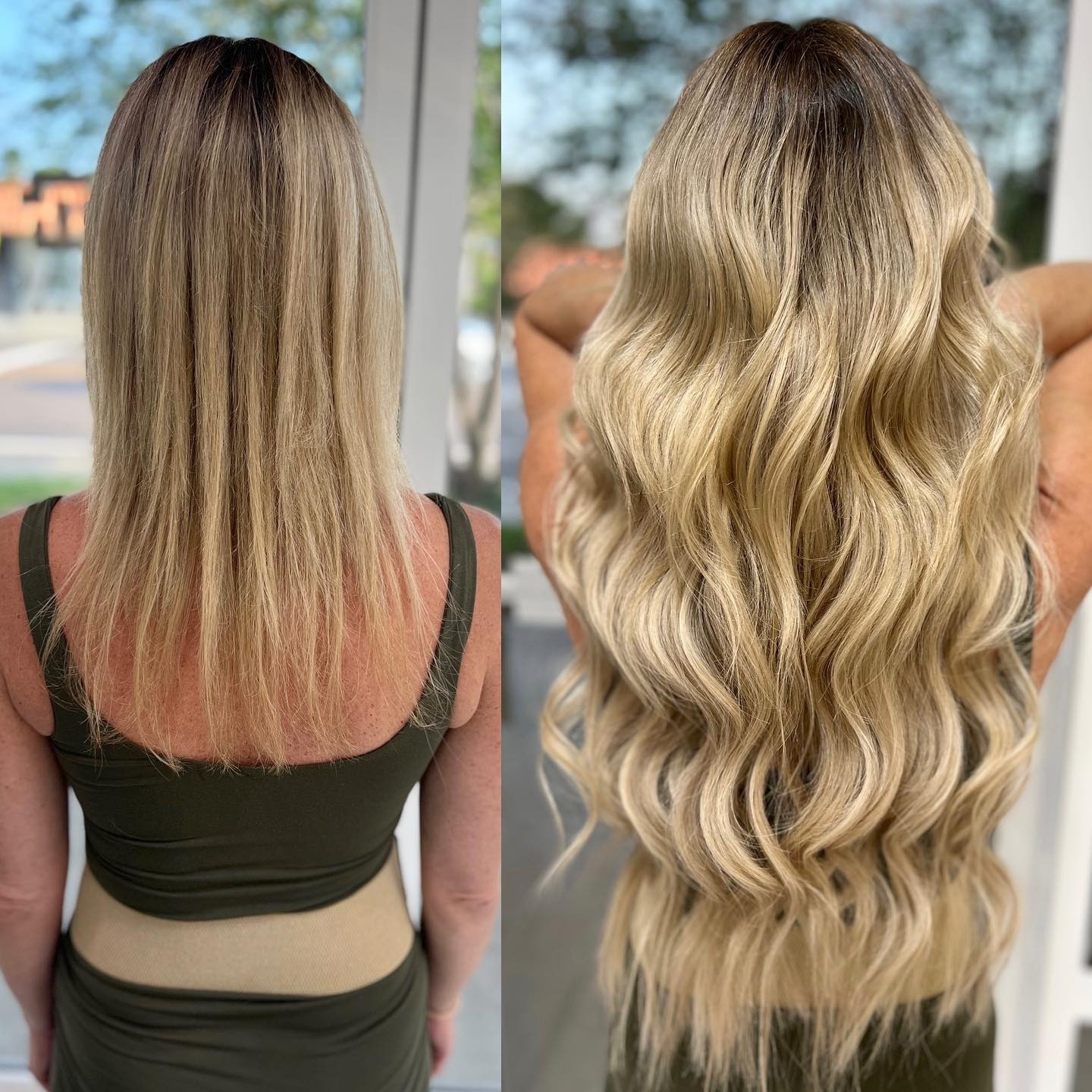
The question fine-hair brides ask most often isn’t “can I get extensions?” It’s “will they actually work on my hair without looking like they’re there?”
It’s a fair concern. Fine hair has a set of specific challenges that make extension application more complex than it is for brides with medium or thick strands. The attachment are more likely to show through. The weight of the extensions can cause slippage on a long day. Color match needs to be more precise because thin hair doesn’t visually blend the way thicker hair does. And the pool of stylists who really understand fine-hair extension technique is smaller than most brides realize.
But fine hair and beautiful wedding extensions are absolutely compatible. The key is understanding which type of extension is suited to your specific hair, how placement changes for thin or low-density strands, and how to set yourself up so the extensions behave their best from the ceremony through the last dance. That’s what this guide covers.
What Makes Fine Hair Different When It Comes to Extensions
Before getting into extension types, it helps to understand the specific problems that fine hair creates. Not all fine hair is the same, and knowing which characteristic applies to you changes which solution fits.
Fine Strands vs. Thin Hair: Two Different
Fine hair means the strands of each hair has a narrow or small diameter, resulting in very fine individual strands that often feel like baby hair or soft satiny hair. Thin hair on the other hand is talking about the density of the hair,, where the number of hairs per square centimeter on the scalp is lower than average. Both affect how extensions behave, but in different ways.
Fine strands are more prone to showing the base of a tape-in weft or the slight bulge of a keratin bond when there isn’t enough hair above the attachment to cover it. The solution is smaller section sizes and more rows placed strategically throughout the head.
Thin hair means there’s simply less hair to work with on the entire head. This affects both the placement and the total weight of extensions that can be safely installed without the weight causes pulling stress on the scalp.
A good extension specialist asks about both before recommending a type. If you’re not sure which describes you, bring up both in the consultation.
Why Extension Wefts and tips Show More on Fine & Thin Hair
Every extension method has some form of attachment at the root: a flat tape sandwich, a sewn bead and weft row, a keratin bond, or a clip. On hair with good density and medium-thick strands, the natural hair above the attachment provides visual coverage. On fine hair, that coverage is thinner, which means the attachment can be visible, particularly in updos or when the wind blows hair away from the face at an outdoor ceremony.
This isn’t a dealbreaker. It’s a planning problem. The right extension type, placed in the right sections, at the right distance from the scalp, and at the right row height, minimizes this visibility. The right stylist knows how to style around it.
The Weight Problem: How Too Many Extensions Cause Slippage Over a Long Wedding Day
Extension weight accumulates. Each weft or bond adds a small load to the hair at its attachment point. On medium or thick hair with good root density, this weight is distributed across enough natural strands that it feels light and stays in place comfortably..
On fine hair, the same total weight is distributed across fewer, thinner strands. If the hair gets warm or humid, the result is slippage: bonds that have shifted from their original position, tape rows that have loosened.
The solution is less hair applied,: fewer rows, lighter-weight wefts, and a maintenance appointment 7 to 10 days before the wedding specifically to check and re-secure any attachment that have loosened.
Which Extensions Work Best for Fine Hair at a Wedding
The short answer is that tape-in extensions and hand-tied wefts are the most fine-hair-friendly permanent methods. However if you’re looking for a temporary method, a light row of clip-in extensions applied low in the back can work miracles too. Here’s why each type performs the way it does on thin or fine hair.
Tape-In Extensions: The Most Fine-Hair-Friendly Permanent Method
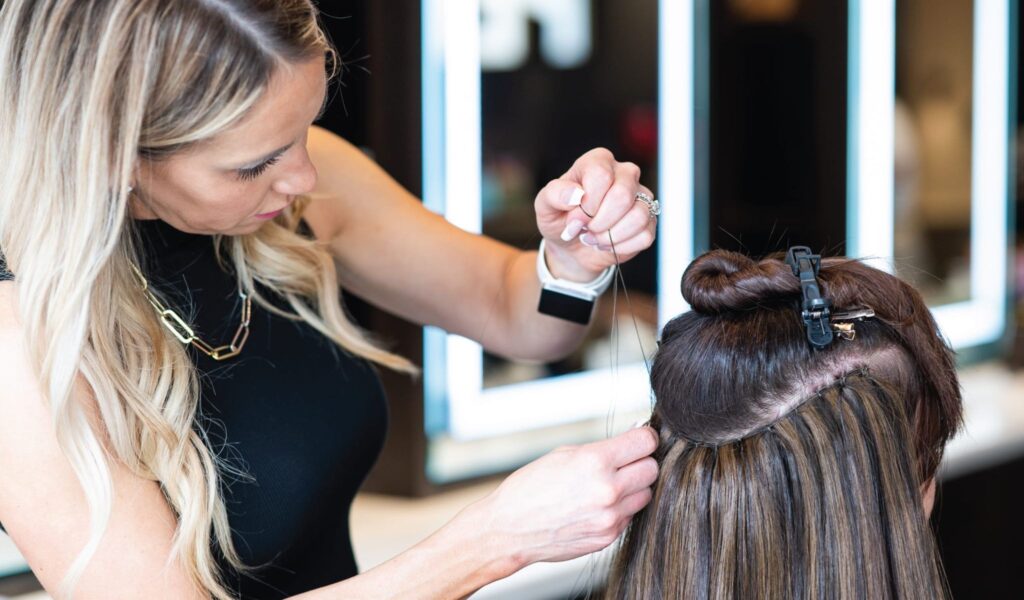
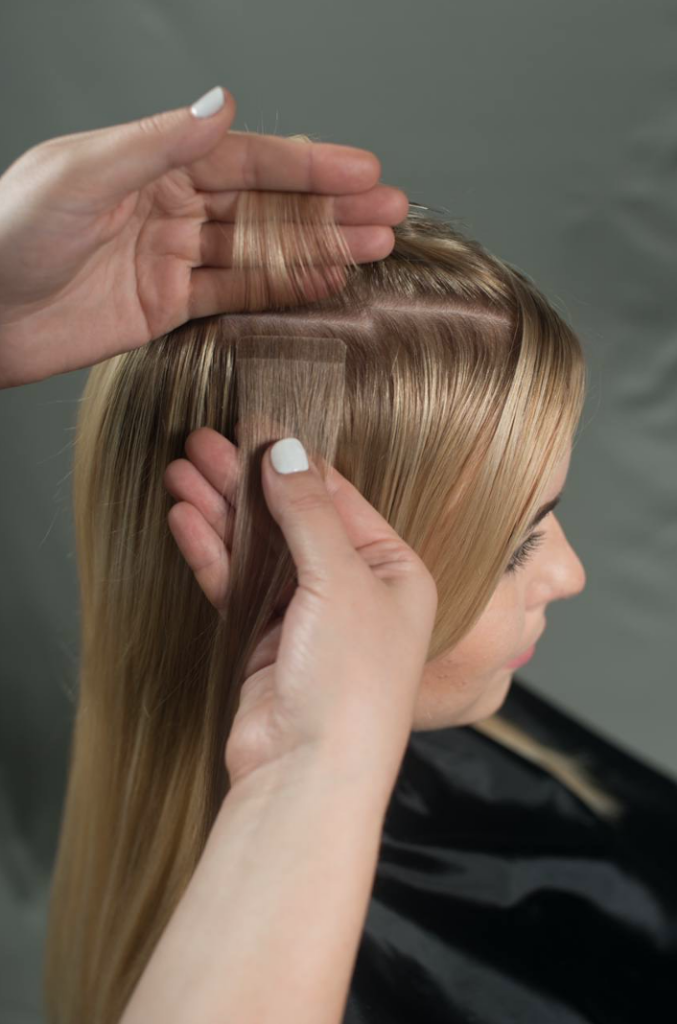
Tape-in extensions use two flat adhesive wefts sandwiched around a thin section of natural hair. The bond is flat against the scalp and lies parallel to the hair direction, which means it sits closer to the head and creates less visible bulk than a bond that protrudes outward.
For fine hair, the flatness of the tape bond is a significant advantage. It’s easier to hide under natural hair than a keratin bond that sits slightly further from the scalp. Tape-in wefts also come in multiple widths, and a specialist experienced with fine hair will choose narrower weft sizes and place them in a denser row pattern: more rows, smaller sections each, distributed evenly across the head.
Tape-in’s can also be applied as one-sided, meaning a weft with tape is placed against a section of natural hair and then a thin piece of one-sided tape, sandwiches that weft to your natural hair, instead of another full hair weft. The result is thinner wefts applied, looking more natural.
The main fine-hair consideration with tape-ins is oil exposure near the bonds. Oil degrades the tape adhesive, and fine hair is often treated with shine serums or smoothing products that contain oil. All oil-based products should be kept well below the tape row area, and the specialist should be told about any product use so they can advise on compatibility.
Hand-Tied Weft Extensions: Excellent With Fine-Hair-Specific Placement
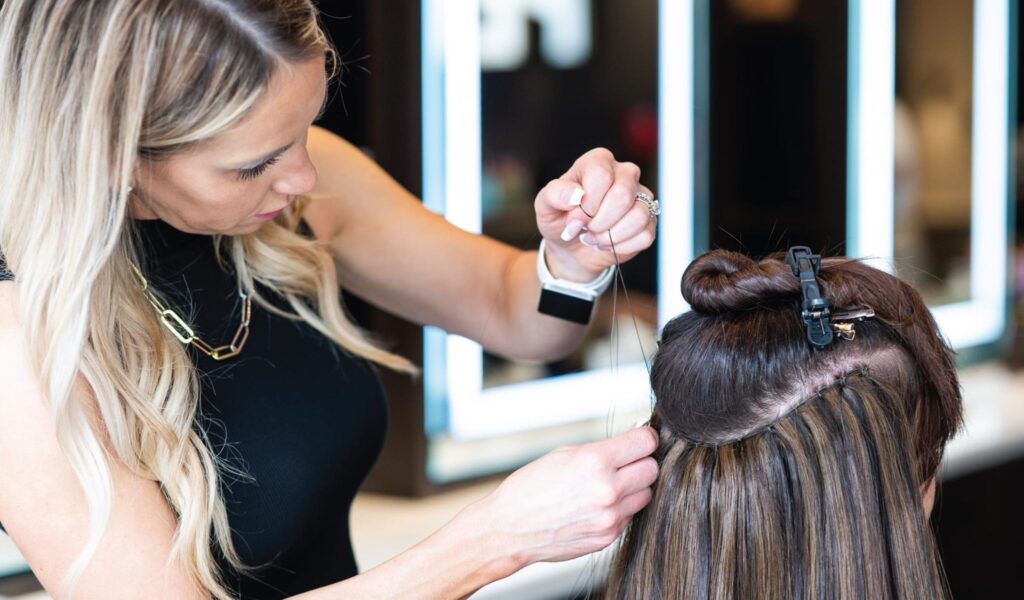
Hand-tied wefts are sewn onto a beaded row that runs across the head. They don’t use adhesive, which means oil exposure isn’t a bond concern. The weft itself is thin and flexible, which drapes well against the head rather than sitting away from it.
The quality of the result depends heavily on the specialist’s experience with fine hair specifically. For fine-hair brides, the beaded rows need to be placed at greater care in how they are positioned: the row should sit at the right height that the natural hair above it provides maximum coverage, with small enough bead spacing that the weft lies flat without any gaps.
When placed correctly by a fine-hair-experienced specialist, hand-tied extensions are one of the most natural-looking options available for thin or low-density hair.
Keratin Bond Extensions: Works With Careful Section Sizing
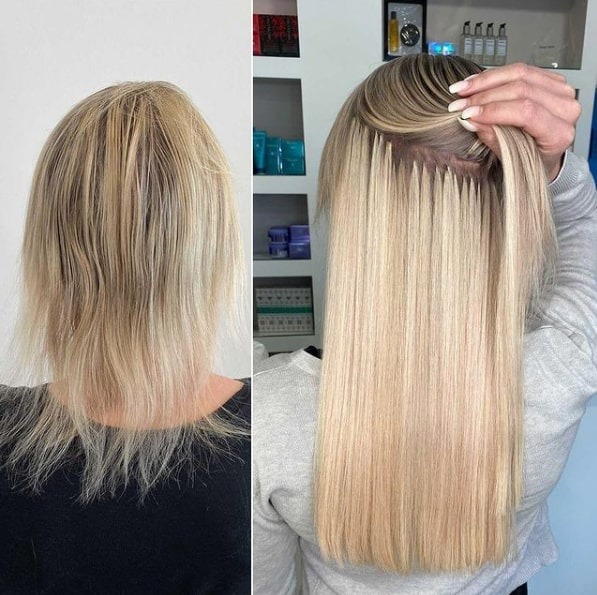
Individual keratin bond extensions (also called fusion bonds) attach one extension strand at a time via a small keratin tip that is fused to the natural hair with a heat tool. Because each bond is individual, the specialist has enormous control over exactly where each extension sits.
For fine hair, keratin bonds require particularly small section sizes. If the section is too wide, the bond is visible through the hair above it. The total number of bonds also needs to be calibrated conservatively to keep weight manageable. But for fine-hair brides who want the most natural movement and the most flexibility in styling, keratin bonds placed by an experienced specialist can be excellent.
They’re also the most time-intensive method to install and remove, and removal must be handled by a professional to avoid stress on fine strands.
Clip-In Extensions: The Risks and How to Manage Them
Clip-in extensions are the only temporary extension method: they attach with small comb clips, can be removed at night, and don’t require a professional installation appointment for the extension wearing itself. For fine-hair brides, clip-ins are a viable option for the wedding day when managed carefully, but they come with specific risks.
The clips themselves can be visible on very fine or low-density hair, particularly in updos where the clip hardware may show through.
If you want to use clip-ins for your wedding, test them thoroughly in a trial setting first. Your stylist will assess during the trial whether the clips can be fully concealed in your planned style and whether your hair can comfortably hold the weight through a full day.
Halo Extensions: Pros and One Important Consideration for Fine Hair
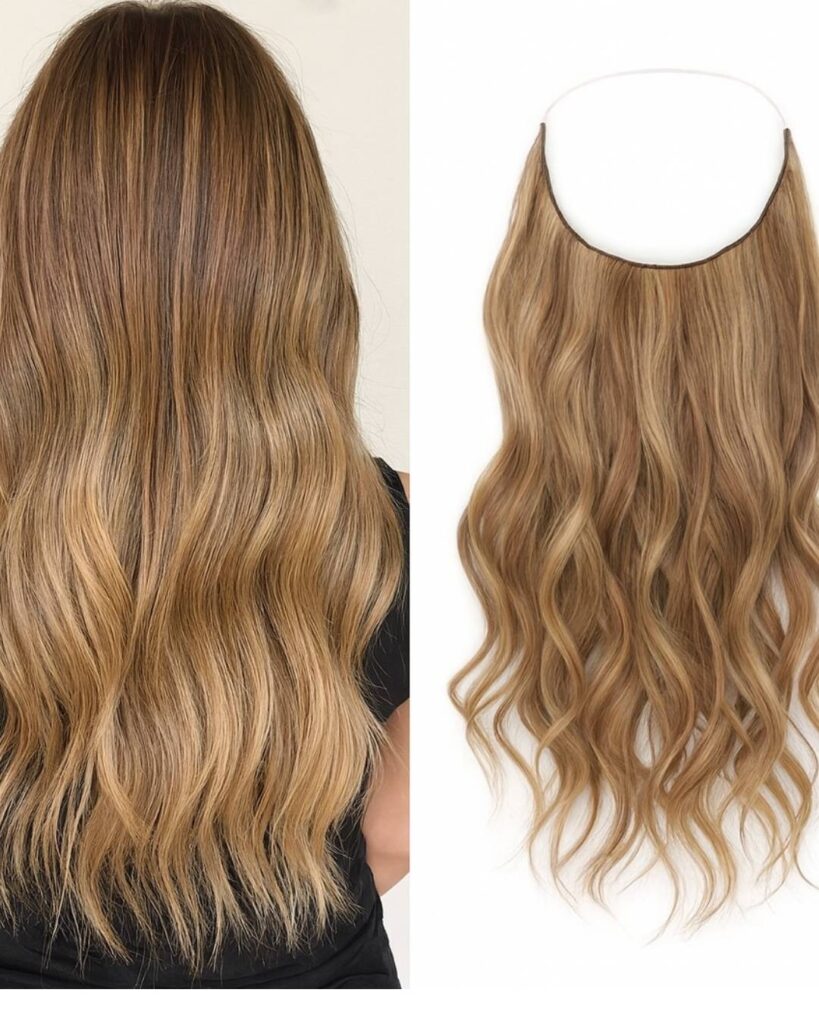
A halo extension uses an invisible wire that sits across the crown of the head (like a head band), with extension hair hanging below it. There’s no attachment to the hair at all, which means no bond stress and no concern about oil near adhesive. For fine-hair brides, this is genuinely attractive: no attachment point to hide.
The consideration is that on very sparse fine hair, particularly at the crown, the wire itself can occasionally be visible. The way the halo sits on the head also depends on the hair below the wire providing some friction to keep it in place. For brides whose hair is quite sparse at the crown specifically, this is worth testing in a trial-and I wouldn’t recommend it. In fact, I don’t recommend a halo for any type of wedding styling. It isn’t attached to the head at all, but sits on top of the hair via a small wire. If your groom decides to dip or spin you, there’s nothing holding the halo in place.
What to Ask Your Extension Specialist Before Booking
Not every extension specialist has deep experience with fine hair specifically. The questions below help you assess before committing.
Do they have photos of fine-hair extension work in their portfolio? This is the fastest filter. A specialist who regularly works with fine hair will have examples. Most stylists charge for this.
Can they do a test section before full application? A test section: installing one row or a few bonds in a less visible area before the full appointment, is a reasonable request for fine-hair brides and a sign of a specialist who understands the stakes.
What is their recommendation for the total number of rows or bonds for your hair? Again, the answer should be specific and should reference weight management for fine hair. They will most likely need to see your hair in person to assess this.
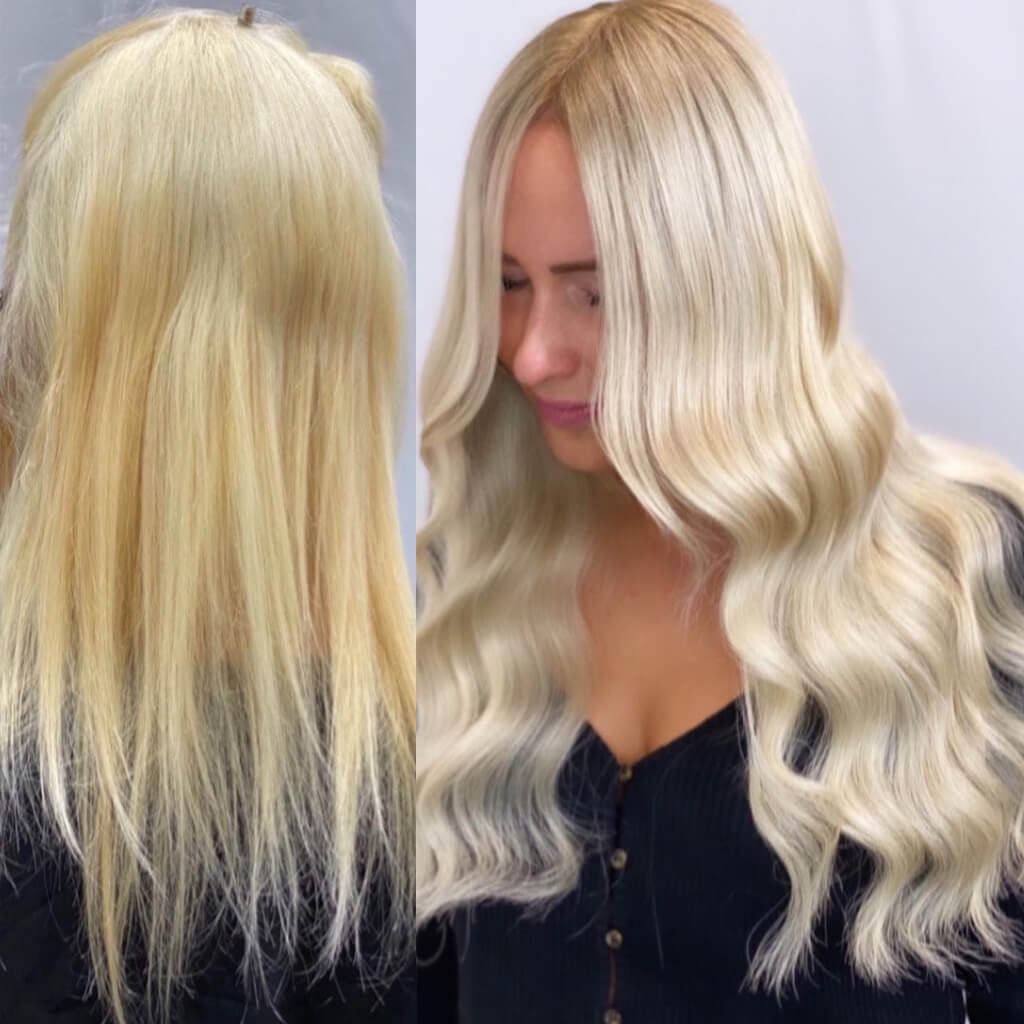
How Fine Hair Needs to Be Prepared Before Extension Application
The condition of your natural hair at the time of extension application affects how well the bonds hold and how the extensions perform through the wedding day and the weeks before it.
Bond-Building Treatments in the Weeks Before
Fine hair is often more prone to protein depletion and structural weakness than thicker hair, and extensions add weight. Starting a bond-building treatment protocol (Olaplex or similar) several weeks before the installation appointment improves the internal strength of each strand, which means the attachment point has a stronger hair to grip.
Your extension specialist can advise on the specific treatment protocol that works with the extension type they’re using. Some bond-building treatments leave a residue that can interfere with tape adhesive if not fully rinsed; your specialist will know.
Avoiding Heavy Conditioning Near the Roots Before Application
Heavy leave-in conditioners, hair masks, and any oil-based products should not be applied near the roots for several days before the extension application appointment. These products coat the hair strand and can reduce the grip between the extension attachment and the natural hair.
Arrive at your appointment with clean, product-free hair from the roots to mid-shaft. The specialist can work with some conditioning on the ends; it’s the root zone that matters most.
Wash Schedule and Product Prep
Wash your hair the morning of the installation or the night before. Don’t condition! And washing with a clarifying shampoo allows the hair to dry out subtly at the root which is perfect for tape-in’s. Don’t apply dry shampoo, texture spray, or any other product before arriving. Clean, dry, product-free hair gives the specialist the best foundation.
Styles That Work Best for Fine-Hair Extension Brides
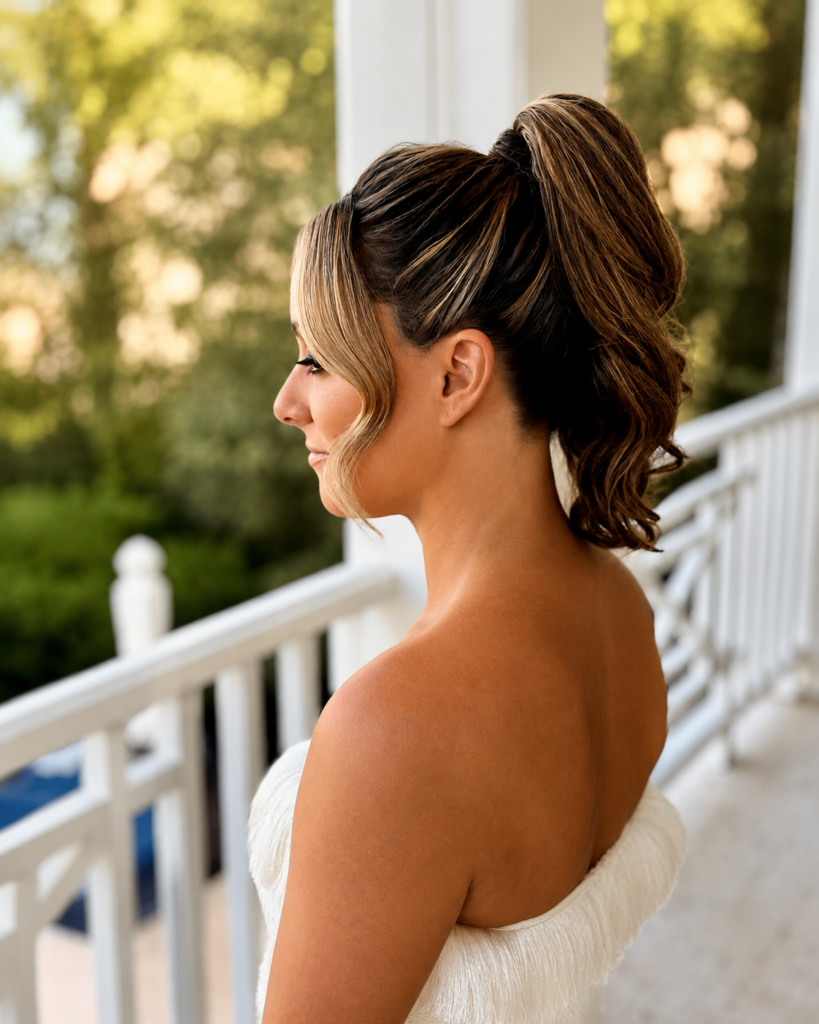
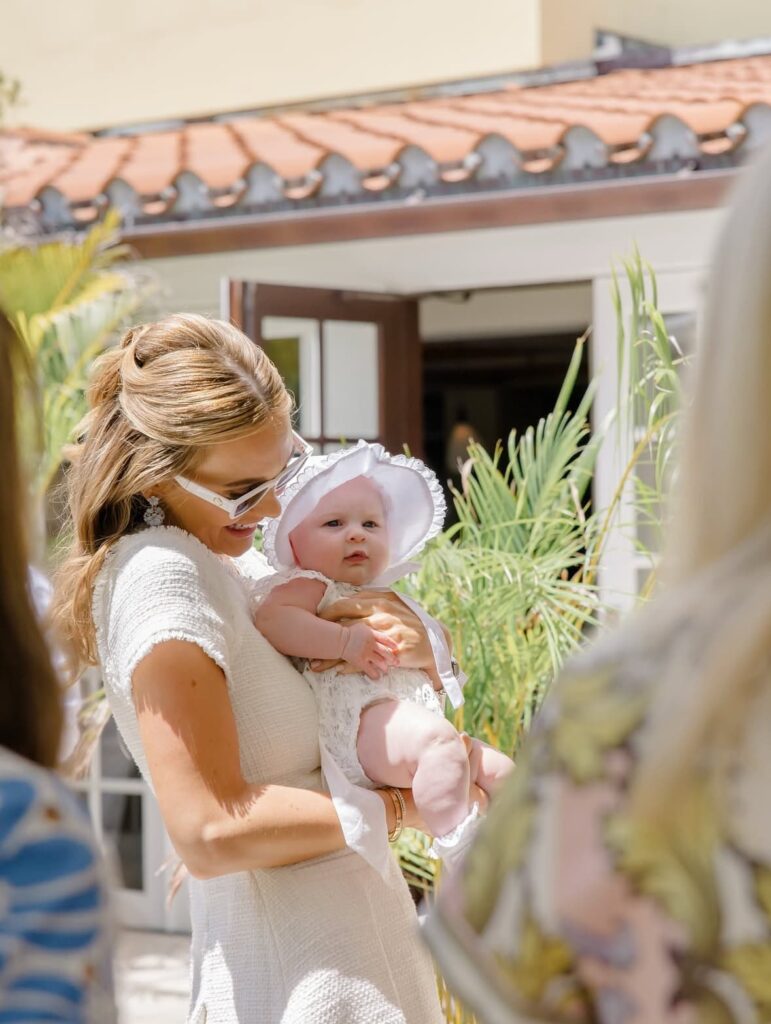
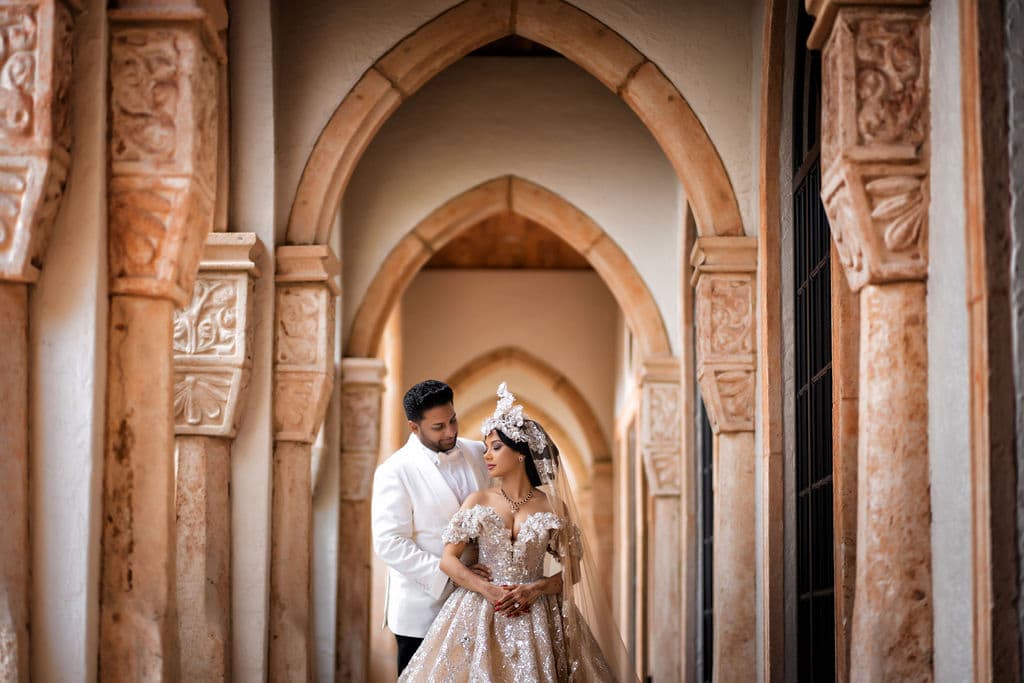
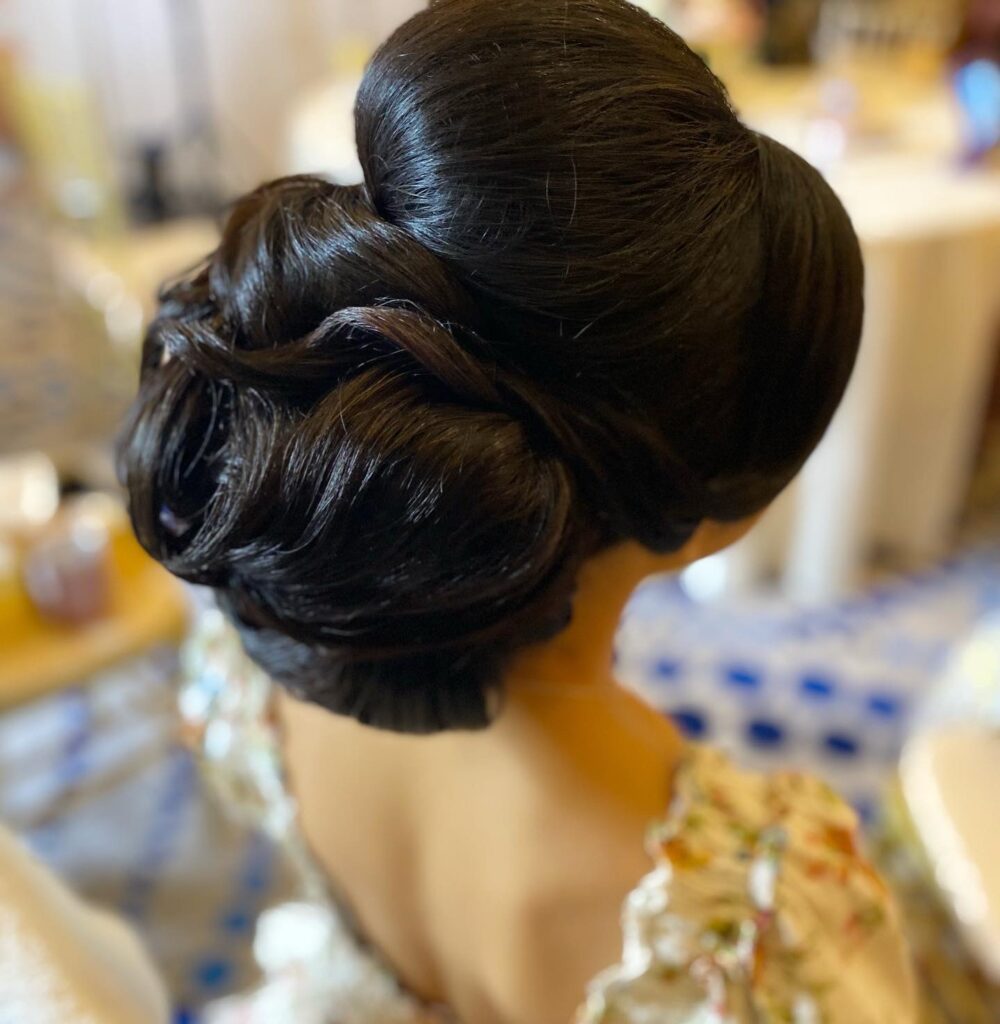
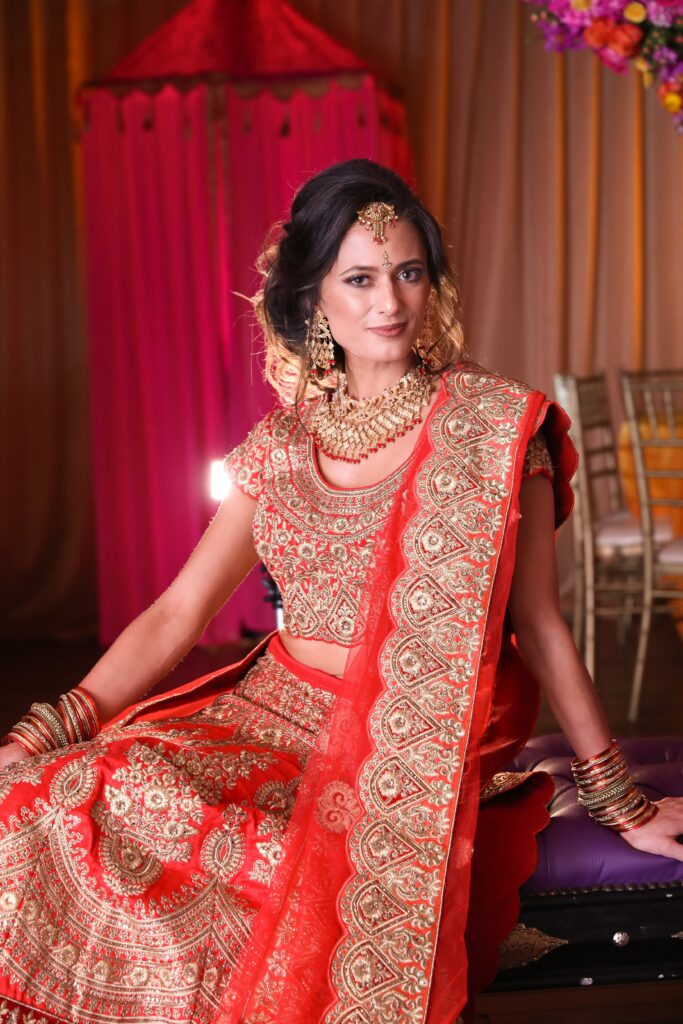
One of the most useful things to understand about fine-hair extensions is that style choice affects how visible the attachments are. Certain bridal styles work with the placement naturally; others reveal it.
Why Textured and Softly Undone Styles Conceal Attachment Points Better
A sleek, straight-down blowout or a very polished flat-ironed style pulls the hair in ways that can reveal the horizontal line of a tape row or the individual bump of a keratin bond.
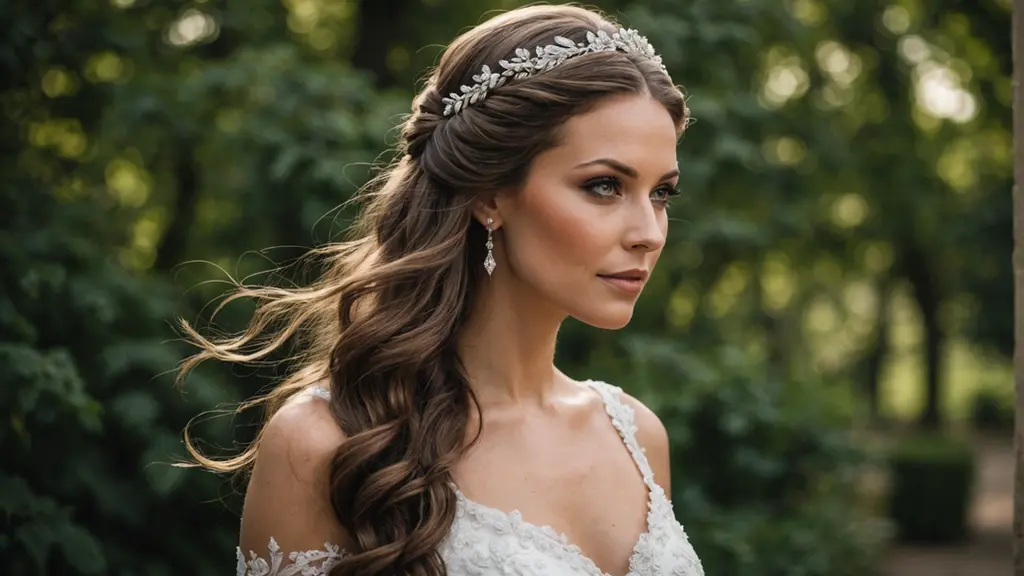
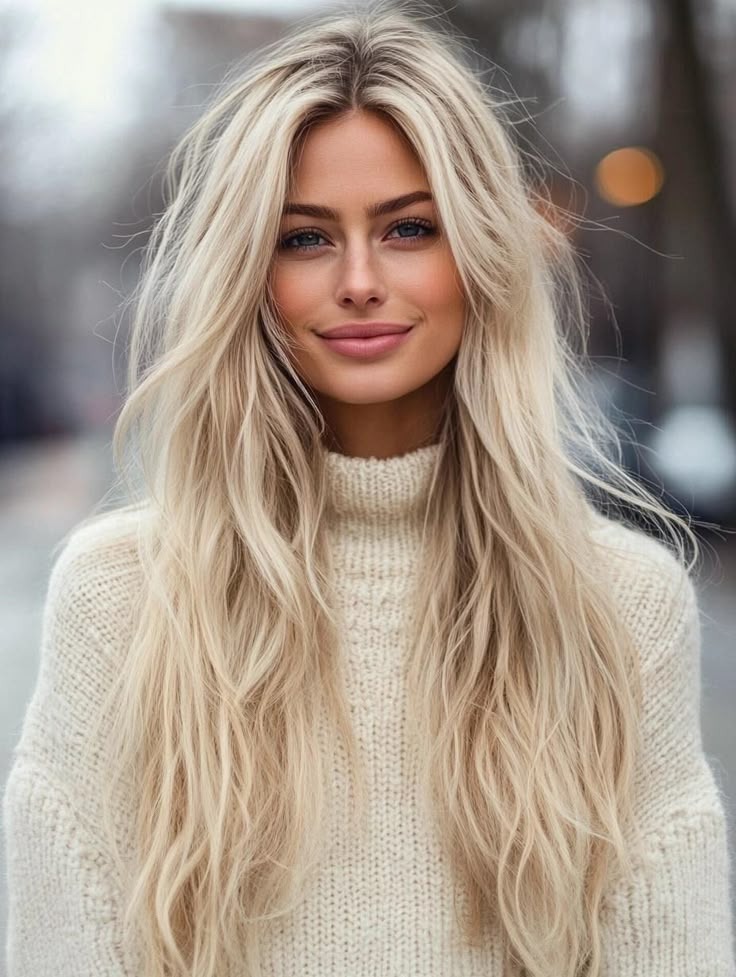
Textured waves, undone curls, braided elements, and romantic volume all create visual complexity in the hair that naturally conceals where the extension meets the natural hair. This is one reason textured styles are so consistently popular with fine-hair extension brides: they look beautiful and they work with the.
Specific Updo and Half-Up Styles That Work Well
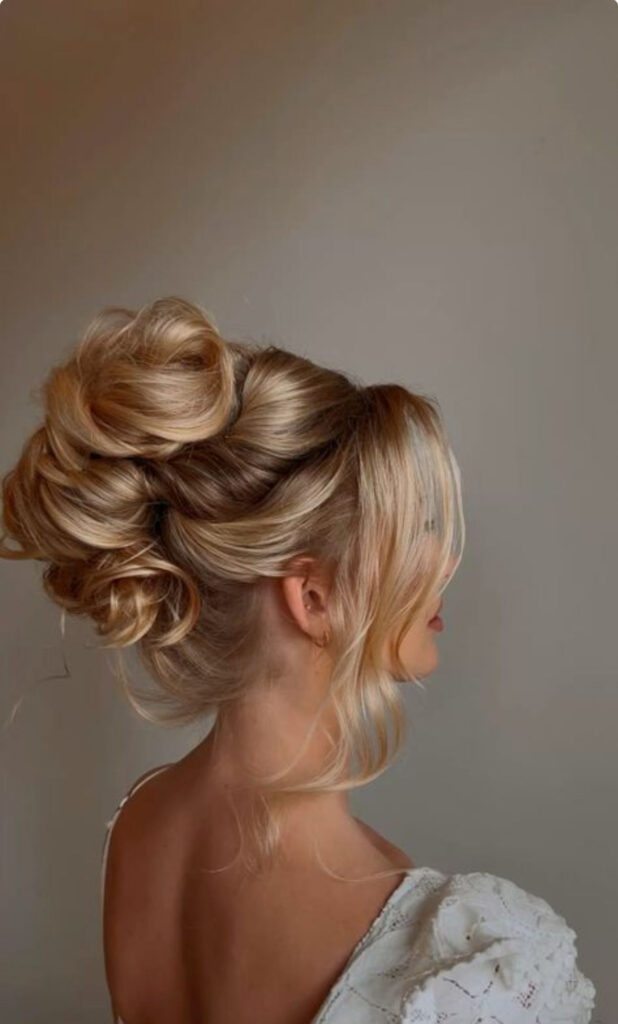
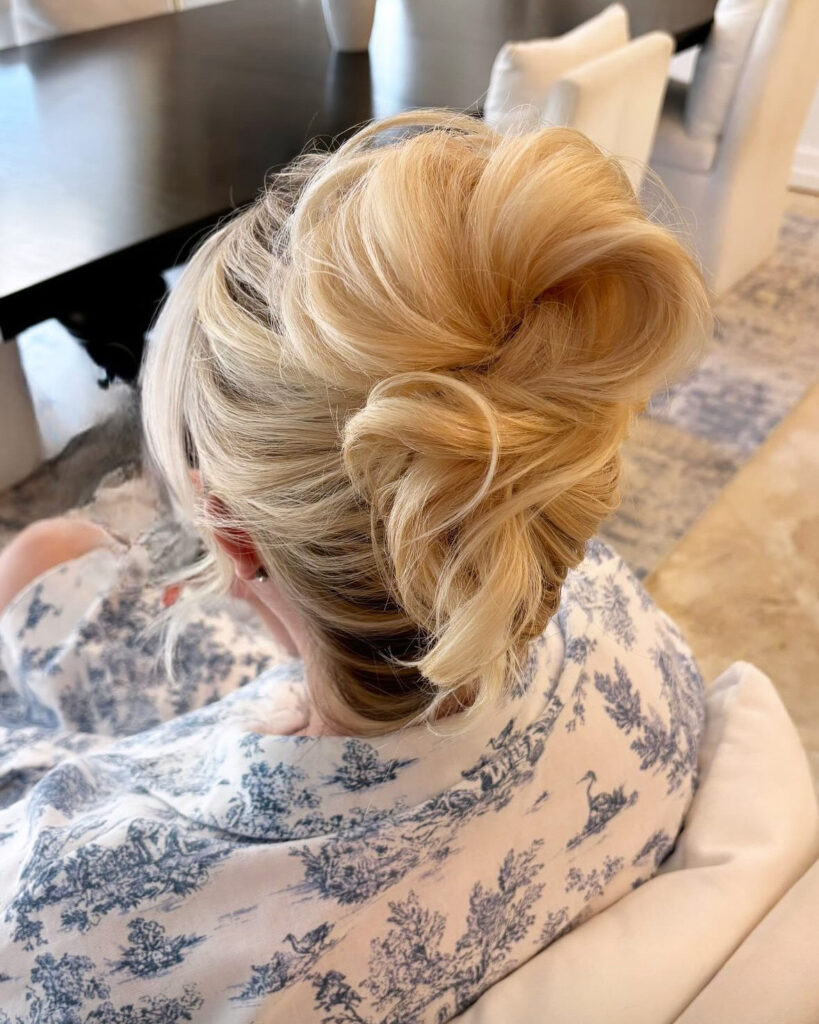
Low romantic chignons with softly pulled face-framing pieces work well with tape-in placement because the extension rows sit in the mid-section of the head where the updo’s body lives, and the loose tendrils at the front are natural hair.
Loose braided hairstyles, particularly braids that incorporate the extension length for volume, work beautifully with hand-tied wefts because the braiding itself fully conceals the bead rows.
Half-up styles with curled or waved lengths work well across most extension types because the free-flowing lower section shows the extension length and volume, while the gathered upper section keeps the attachment zone tucked away.
How to Talk to Your Stylist About Fine-Hair Extension Compatibility
At your bridal trial, be explicit with your stylist about where your extension attachments are. Show them the tape rows or bead rows, describe where the keratin bonds are concentrated, and ask them to build the style specifically around concealing those areas.
Your stylist and your extension specialist ideally should be in communication with each other, or you should relay information between them. The placement decisions the extension specialist makes should be informed by the style your bridal stylist is planning. If the specialist knows you’re wearing a braided half-up, they’ll place rows differently than if you’re planning a full updo.
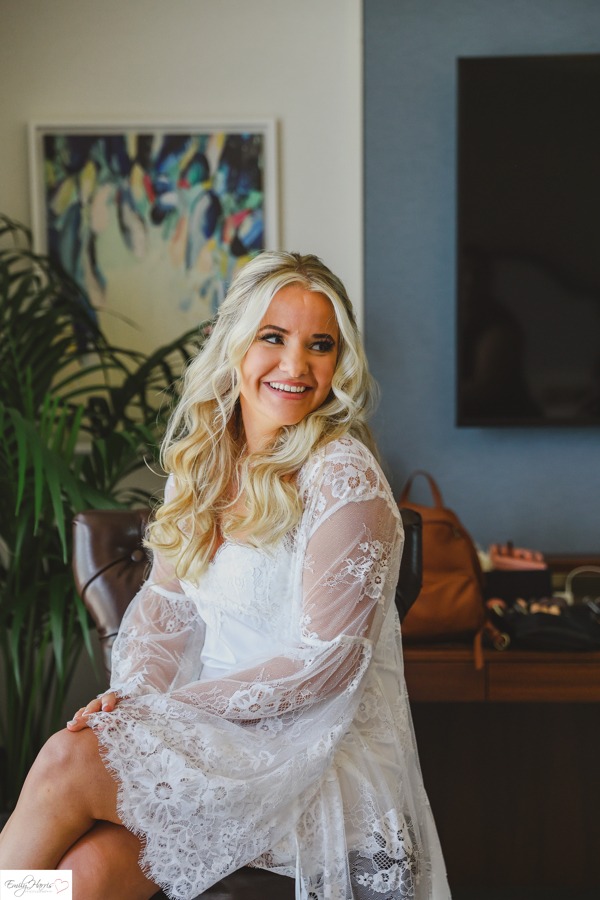
The Wedding Day: What to Expect With Fine-Hair Extensions
The morning of the wedding follows the same preparation as the care guide suggests: arrive with extensions in their overnight protective style, let your stylist take them down and assess the state of the hair before beginning.
What Can Go Wrong – and How to Prevent It
Extensions Showing Through Thin Sections
The most common fine-hair extension issue. Prevention is in the placement: the right row height, the right section size, the right weft width. If you notice a section showing during the weeks before the wedding, bring it to your specialist at the pre-wedding maintenance appointment rather than leaving it until the morning.
Slippage Caused by Weight or Product
Usually a sign that the total extension weight was too high for the hair density, or that an oil-based product reached the bond area. The pre-wedding maintenance appointment at 7 to 10 days before catches this. Any bond that has started to slip is re-secured at that appointment.
If you’re using any product between the maintenance appointment and the wedding morning, keep it well below the bond area and avoid anything oil-based at the roots.
Frequently Asked Questions
Can fine hair support extensions for a full wedding day?
Yes, with the right extension type, proper placement, and a pre-wedding maintenance appointment to confirm everything is secure. Tape-in and hand-tied weft extensions distribute weight across multiple attachment points in a way that fine hair handles well when the total number of rows is calibrated for the hair’s density.
Which type of extension is safest for fine hair?
Tape-in or hand-tied extensions are generally the most fine-hair-friendly permanent method because the flat bond sits close to the scalp and distributes weight across the width of the weft rather than at individual bond points. Hand-tied wefts are also excellent when placed by a specialist experienced with fine hair. Both outperform keratin bonds for fine-hair brides in most cases.
Will extensions damage my fine hair?
Properly installed and properly maintained extensions on fine hair should not cause damage. The risk comes from incorrect placement (too much weight, wrong section size), rough removal, or skipping maintenance appointments that allow bonds to shift and pull. Working with a specialist who has fine-hair-specific experience, following the care protocol, and having the extensions removed professionally all protect your natural hair.
How far in advance should fine-hair brides book extensions?
Book the extension consultation at least 3 to 4 months before the wedding. Specialists with genuine fine-hair extension expertise are in high demand, and the timeline also allows for a test section, a full installation, and a pre-wedding maintenance appointment all before the day. Some fine-hair brides start extensions 6 months out to allow more time for adjustment.
Can extensions give fine hair bridal volume without the extensions showing?
Yes, when placed by an experienced fine-hair specialist and styled by a bridal artist who knows the placement map. Textured and wave styles particularly conceal attachment points well. The combination of correct placement and the right bridal style produces a result where the extensions are completely invisible in both the wedding and the photos.
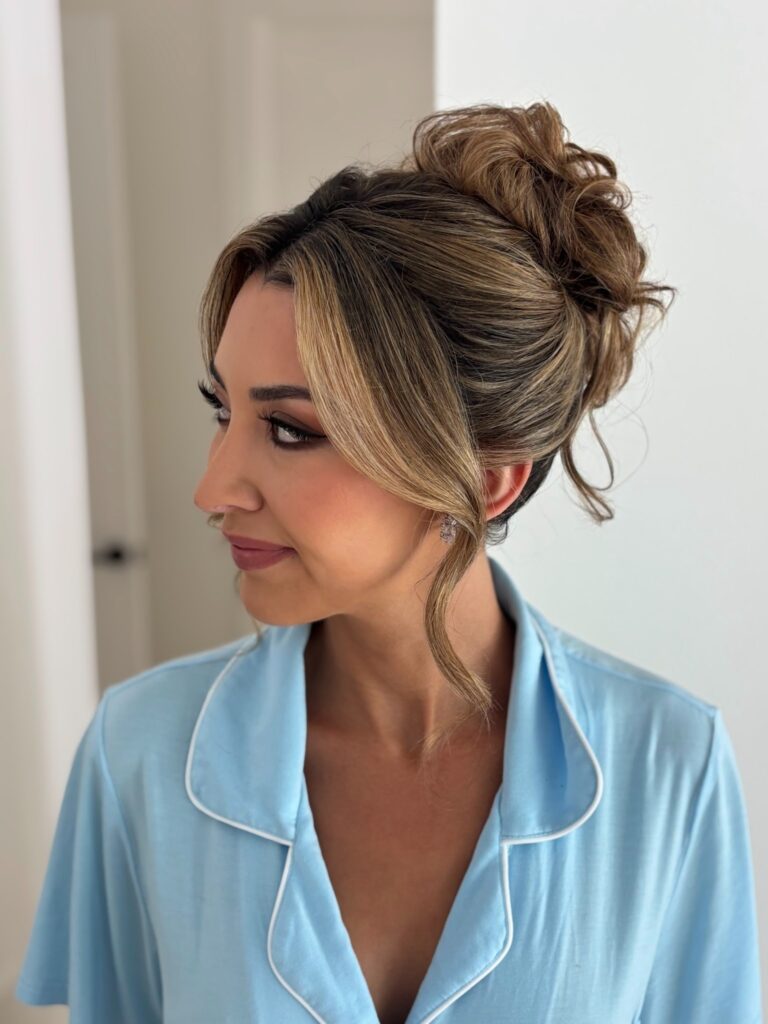
Questions About Extensions for Fine Hair? Let’s Talk
If you have fine hair and you’re trying to figure out whether extensions are right for your wedding look, the best first step is a consultation that’s specifically about your hair, your style, and your day.
Rebecca Mousseau and the Phairis Luxury team work with fine-hair extension brides regularly and can advise on type, timing, and how to coordinate your extension plan with your bridal style. Reach out to check availability for your date.
For more on extensions and bridal hair planning:
- Bridal hair extension types, costs, and what to expect
- Clip-in vs tape-in vs hand-tied extensions for your wedding
- How to care for hair extensions before your wedding
- Bridal hairstyles for every hair texture
- What to expect at your bridal hair and makeup trial
- The complete guide to luxury bridal hair and makeup
To be iconic?
Ready
I'm excited to hear all about your wedding/Event day. Have a question about a booking and hair styling sessions? View our services and talk to us, also dont forget to check our portfolio
