
What to Expect at Your Bridal Hair & Makeup Trial: A Complete Guide

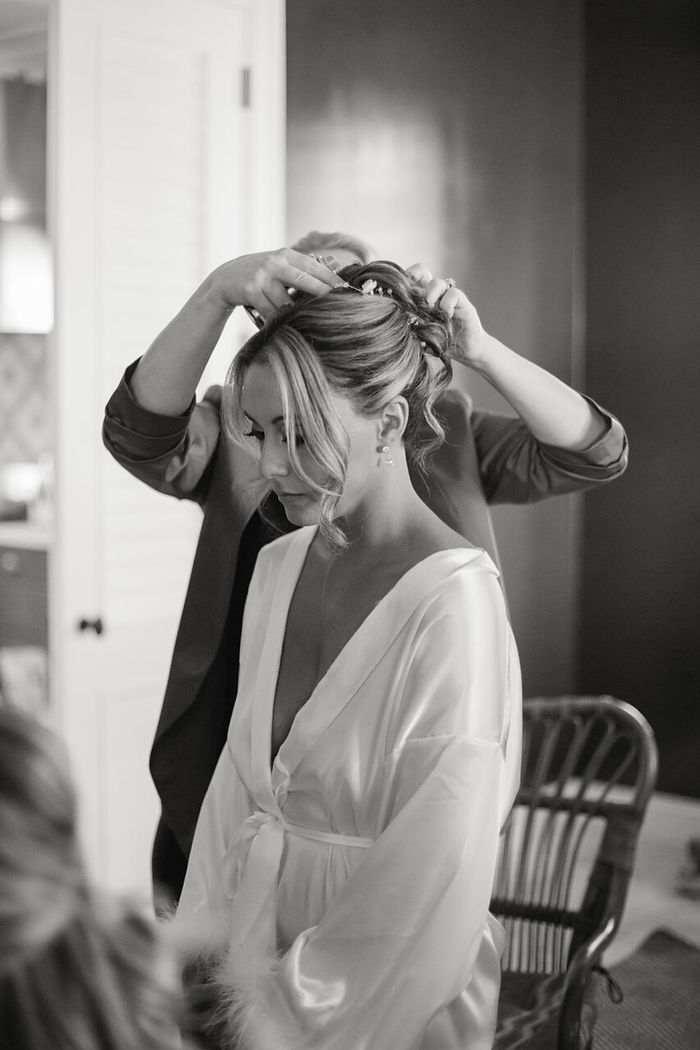
Most brides think of the trial as a preview. You go in, you see roughly what you’ll look like, and then you go home and wait for the wedding.
That’s not quite right. The trial is actually the most important appointment in your entire bridal beauty process. It’s where your look is built, tested, adjusted, and confirmed. It’s where your artist learns exactly what you need and when you need it. And it’s the appointment that turns wedding morning uncertainty into complete confidence.
Here’s everything you need to know before you go in.
What a Bridal Hair and Makeup Trial Actually Is
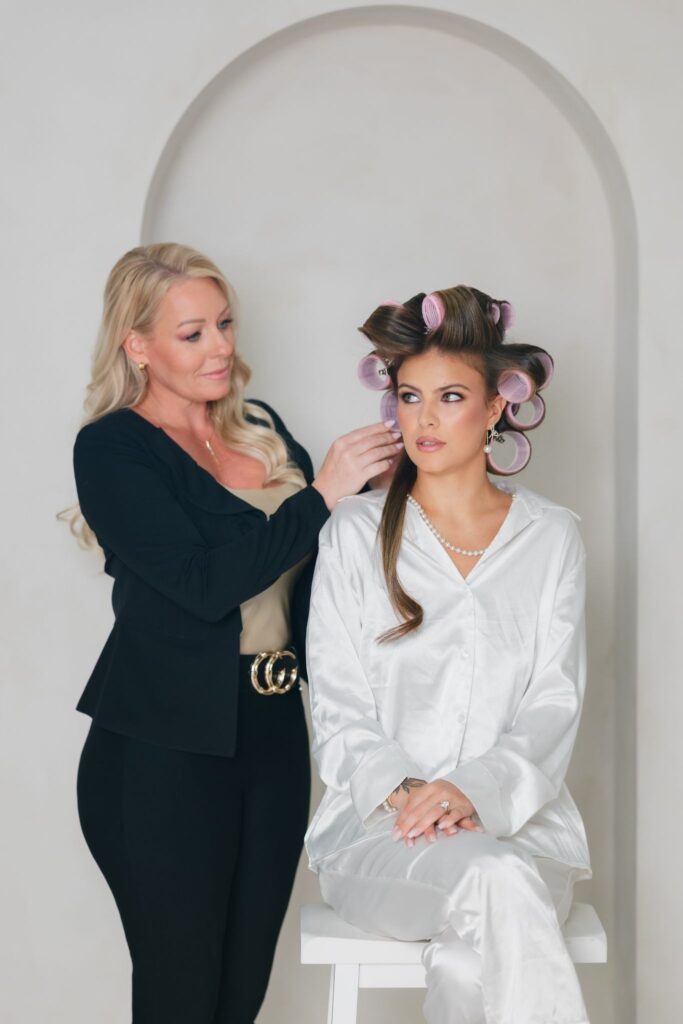
The trial is a full appointment, not a consultation. Your stylist creates your complete wedding day look: hair styled from start to finish, makeup applied fully, everything done the way it will be done on your actual wedding morning.
It’s not a sketch. It’s not a rough version. It’s the real thing, built in a real appointment with real time, so you can see exactly what you’re working with before it matters.
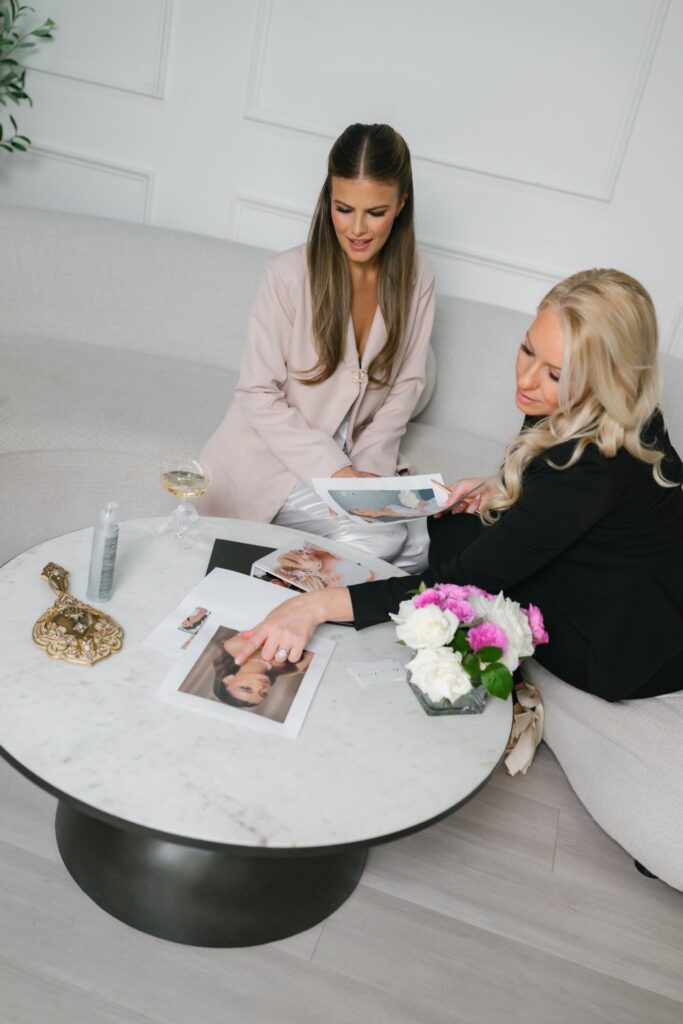
At a luxury level, the trial also includes a consultation at the start where your artist goes through your inspiration images, asks about your dress, your venue, your personal style, and your comfort level with different looks. By the time you sit in the chair, your artist already has a direction in mind based on real information, not guesses.
When to Schedule Your Trial
Schedule your trial 6 to 8 weeks before your wedding. This specific window exists for two reasons.
First, your hair’s length and condition at 6 to 8 weeks out will be close to what it will be on the wedding day. If you schedule the trial 6 months out and then cut your hair, everything you confirmed gets undone.
Second, this window leaves time for a second trial if something needs significant adjustment. If you go in at 6 weeks and come out needing to try a completely different direction, you still have time to do that before you’re too close to the wedding for another full appointment to feel calm rather than stressful.
Don’t schedule earlier than 3 months out unless your artist specifically recommends it. And don’t let it slide past 4 weeks before the wedding, especially if you’re considering any adjustments to your look.
How Long the Trial Takes
Plan for 2.5 to 3.5 hours if you’re doing both hair and makeup together, which is the standard recommendation.
Hair alone typically takes 1 to 1.5 hours. Makeup adds another 1 to 1.5 hours. The consultation at the start, which often runs 15 to 30 minutes before anyone picks up a brush, is in addition to that. So is any revision discussion at the end.
Don’t schedule the trial right before another commitment. Clear your afternoon, wear the look for the rest of the day, and give yourself time to process what you saw.
What to Bring to Your Bridal Trial
Inspiration Images
Bring 5 to 10 images of looks you love, saved on your phone so your artist can scroll through them easily. Separate your hair inspiration from your makeup inspiration. They’ll be reviewed differently and used differently.
A word on Pinterest boards: the best inspiration images for a trial are ones that show brides or editorial subjects with similar coloring, hair texture, and face shape to yours. An image of a bride with waist-length thick dark hair isn’t great inspiration if you have fine blonde hair at chin length. Your artist will work with what you have and translate the concept, but the closer your inspiration is to your own baseline, the smoother the process.
Your Veil or Headpiece
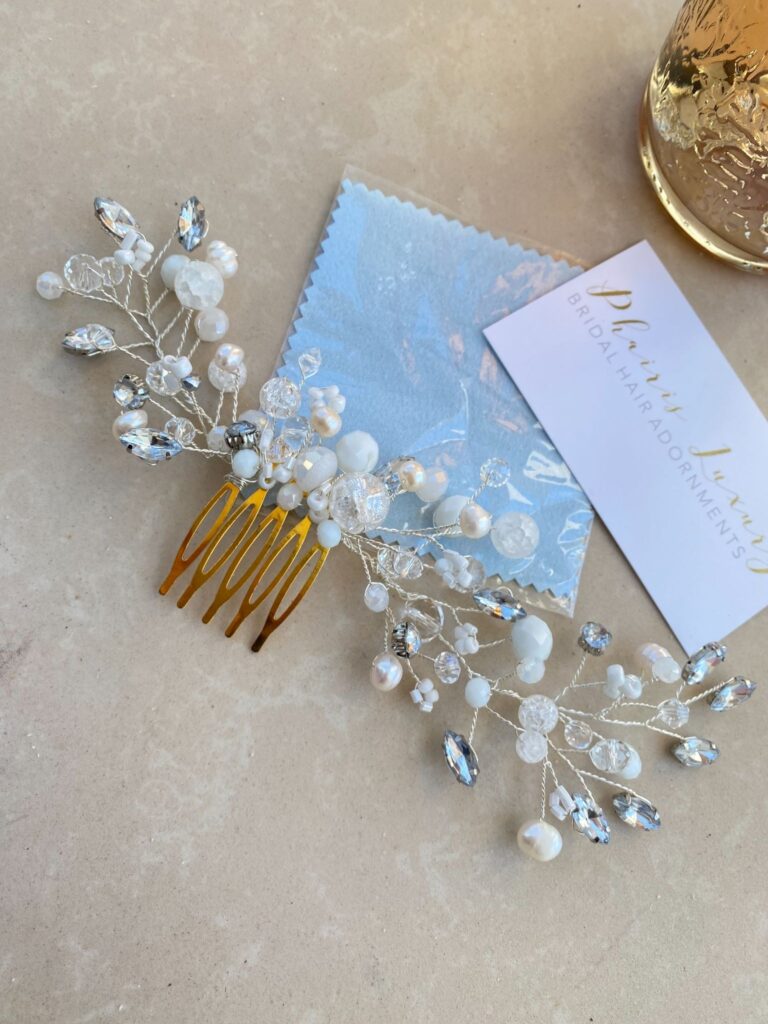
If you have your veil, headpiece, or any significant hair accessories, bring them to the trial. The hairstyle should be built around these pieces, not adapted to them later. How your veil attaches, how heavy it is, and where it sits on your head all affect how the style is constructed.
A Photo of Your Dress
A photo of your gown, particularly the neckline and back, matters more than most brides expect. A deep V neckline and a high lace neckline call for very different hair placement. A structured fitted back and a flowy bohemian silhouette suggest different overall aesthetics. Show your artist the dress before the appointment starts.
A Strapless or Low-Back Top
Wear something that lets your artist see your neckline in context. A strapless top is ideal. The goal is to be able to look in the mirror and see your look the way your photographer will see it: from the collar up, with your actual neckline visible.
Your Questions
The trial is the ideal time to ask about your wedding morning timeline, discuss any skin or product sensitivities, confirm the day-of call time, and ask anything else that’s been on your mind. Come prepared and use the time.
What Happens During the Appointment
The appointment starts with a conversation. Your artist reviews your inspiration images, looks at your dress photo, asks about your venue and ceremony time, and talks through the overall direction before beginning.
Then they start. The styling and application process is the same one you’ll experience on your wedding morning. Your artist isn’t rushing. This is your time.
How to Give Feedback in the Moment
Feedback during the trial is both expected and welcome. Your artist wants to know what you’re feeling as the look develops, not at the very end when there’s less room to adjust.
Be specific when you can. “I’d like it softer around my face” is more useful than “I’m not sure.” “Can we try less volume at the crown?” gives your artist something to work with immediately. “I love the eye but want the lip lighter” is exactly the kind of direction that makes a trial productive.
A good artist treats your feedback as collaboration, not criticism. If anything about the dynamic feels otherwise, that’s worth noting.
What “Not Sure” Means vs. What “This Isn’t Right” Means
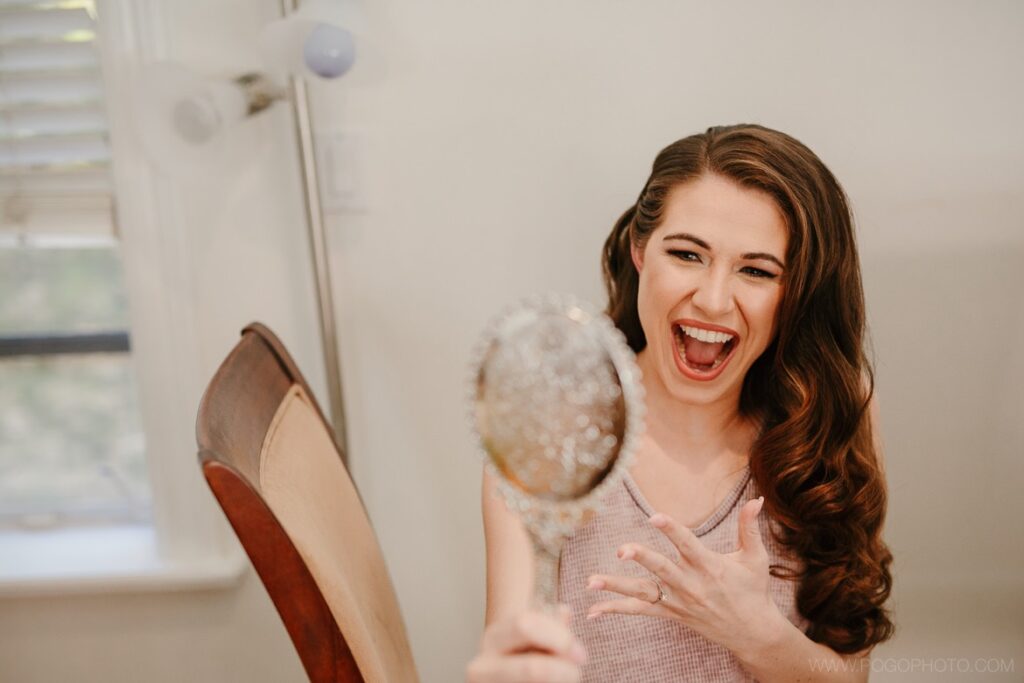
There’s a difference between feeling uncertain and feeling like the look is genuinely wrong for you. Uncertainty at the trial is normal. Many brides feel strange seeing themselves in full wedding look for the first time. Give yourself a few minutes. Look at photos. Walk around. Let it settle.
If after giving it time and making a few adjustments you still feel like the direction is fundamentally off, that’s different. Say so. A second trial is the right answer, and a professional artist will not push back on that.
After the Trial: Testing Longevity
One of the most underused parts of the trial process is wearing the look for the rest of the day.
Do it. Go to dinner. Run errands. Sit in the sun for a few minutes if you have an outdoor ceremony. Take photos in different lighting: natural light, indoor overhead light, outdoor shade. Look at how the makeup photographs. Look at whether the hair shifts.
By evening, you’ll have real information about what holds, what fades, and whether anything needs to be adjusted before the wedding day. Take notes or photos and share them with your artist at the start of your next conversation.
How the Trial Connects to Your Wedding Morning Timeline
Your artist will ask about your ceremony time and bridal party size during the trial. This is when they start building your morning timeline: what time they’ll arrive, the order of the party, when you’ll sit down, when you’ll be finished.
If your morning involves multiple family members, a large bridal party, or travel between a hotel and venue, now is the time to talk through those logistics. This conversation at the trial means there are no surprises on the wedding morning.
For a full guide to how the wedding morning timeline works, see how to plan your wedding morning beauty timeline.
Frequently Asked Questions
Do I really need a bridal hair and makeup trial?
At the luxury level, yes. The trial isn’t optional. It’s the appointment where your look is confirmed, adjusted if needed, and tested for longevity. Brides who skip it tend to have more anxiety on the wedding morning, not less.
How long does a bridal trial take?
Expect 2.5 to 3.5 hours for both hair and makeup. Hair alone takes 1 to 1.5 hours; makeup adds another 1 to 1.5 hours. The consultation at the start and feedback discussion at the end add time beyond the application itself.
What should I bring to my trial?
Bring 5 to 10 inspiration images (hair and makeup separately), your veil or headpiece if you have it, a photo of your dress, a strapless or low-back top, and your list of questions. Seeour full trial checklist for a complete rundown.
When should I schedule my trial?
6 to 8 weeks before your wedding date. This is close enough that your hair will be in a similar state to the wedding day, and far enough out to allow for a second trial if needed.
What if I don’t love the result at the trial?
Tell your artist immediately and specifically. A confident luxury artist will adjust without defensiveness. If after revisions you still feel the direction isn’t right, a second trial is the appropriate next step.
Is it worth doing a trial for hair and makeup separately?
If budget requires prioritizing, the bridal hair trial is typically the more consequential of the two, since the style needs to be constructed specifically for your hair type and hold through an entire event. But ideally, both are done together so the full look can be seen and adjusted as a whole.
Book Your Trial with Phairis Luxury
When you’re ready to take the next step, reach out to check availability for your wedding date. The trial is included in all Phairis Luxury bridal packages and is scheduled as part of the booking process.
For more on the full experience, explore:
To be iconic?
Ready
I'm excited to hear all about your wedding/Event day. Have a question about a booking and hair styling sessions? View our services and talk to us, also dont forget to check our portfolio
